Fractional Design Team: How an Embedded Crew Works Day to Day
Most founders know what a design subscription costs. Fewer know what it looks like on a Tuesday. Here is how an embedded design crew plugs into your sprints, what it ships each week and how to get the most from it.
A fractional design team is a senior design crew you get on a monthly plan instead of a payroll: it works inside your tools and sprints, ships something every week and grows or shrinks with your roadmap. The cost question gets most of the attention, and we answer it in our guide to design subscription vs. hiring a designer. This story is about the other question founders ask on scope calls: what does it actually look like day to day?
It comes from how we run our own monthly design team, which is embedded and shipping within a week, and from long running engagements like Sunrun, GoPuff and Mural Pay.
What is a fractional design team?
"Fractional" describes how you buy design: a share of a senior team's time, on a flexible plan, instead of a full-time hire. "Embedded" describes how the work happens: inside your Slack, Figma, Linear and standups, next to your engineers, instead of in a separate studio that sends files over the wall.
You want both. A fractional team that is not embedded turns into an agency with a retainer: briefs go out, decks come back, and context gets lost in between. An embedded team that is not fractional is just a hire, with the months of recruiting and the fixed cost that come with it.
The difference shows up in small things. An embedded designer hears the engineer say a flow is hard to build in standup and changes it that afternoon. They see the support thread about a confusing screen. They know which launch is next without reading a brief. That context is what makes the work fast, and it is the part a project-by-project setup never quite builds.
The first week: how an embedded design team plugs in
The first week decides whether the arrangement works, so it should be planned, not improvised. Ours follows two steps:
- Day 1, kickoff. We learn your product, brand and backlog, and set up in the tools your team already uses. No new project management system to adopt.
- Week 1, embed. Your designer joins standups and starts shipping, usually on whatever your engineers are waiting on.
Whoever you work with, a good first week also includes a quick pass through the product and the existing design files, so the designer knows what is inconsistent or missing before picking the first priorities with you.
The goal is that by the first Friday, your team thinks of the designer as part of the team, not as a vendor they have to brief.
A normal week inside your sprints
After the first week, a fractional design team should feel boring in the best way. The rhythm follows yours.
- Standups and planning. The designer is in the same rituals as your engineers, so design work is planned in the same sprint as the build, not a sprint ahead in a vacuum.
- Work in the open. Files live in your Figma, tickets in your Linear, questions in your Slack channels. Anyone on your team can see what is in progress.
- Shippable output every week. Each week ends with something an engineer can build or a marketer can publish, reviewed in your normal rituals, not saved up for a big reveal.
- Short feedback loops. Comments land in the file or the thread where the work lives, so changes do not wait for the next weekly meeting.
A founder at a product we worked on described the effect better than we can. Steve Carroll, CEO of Findigs, said: "Bringing in King Tide's design team let us move twice as fast without compromising quality. They owned projects end-to-end and brought a level of craft that elevated everything we put in front of users."
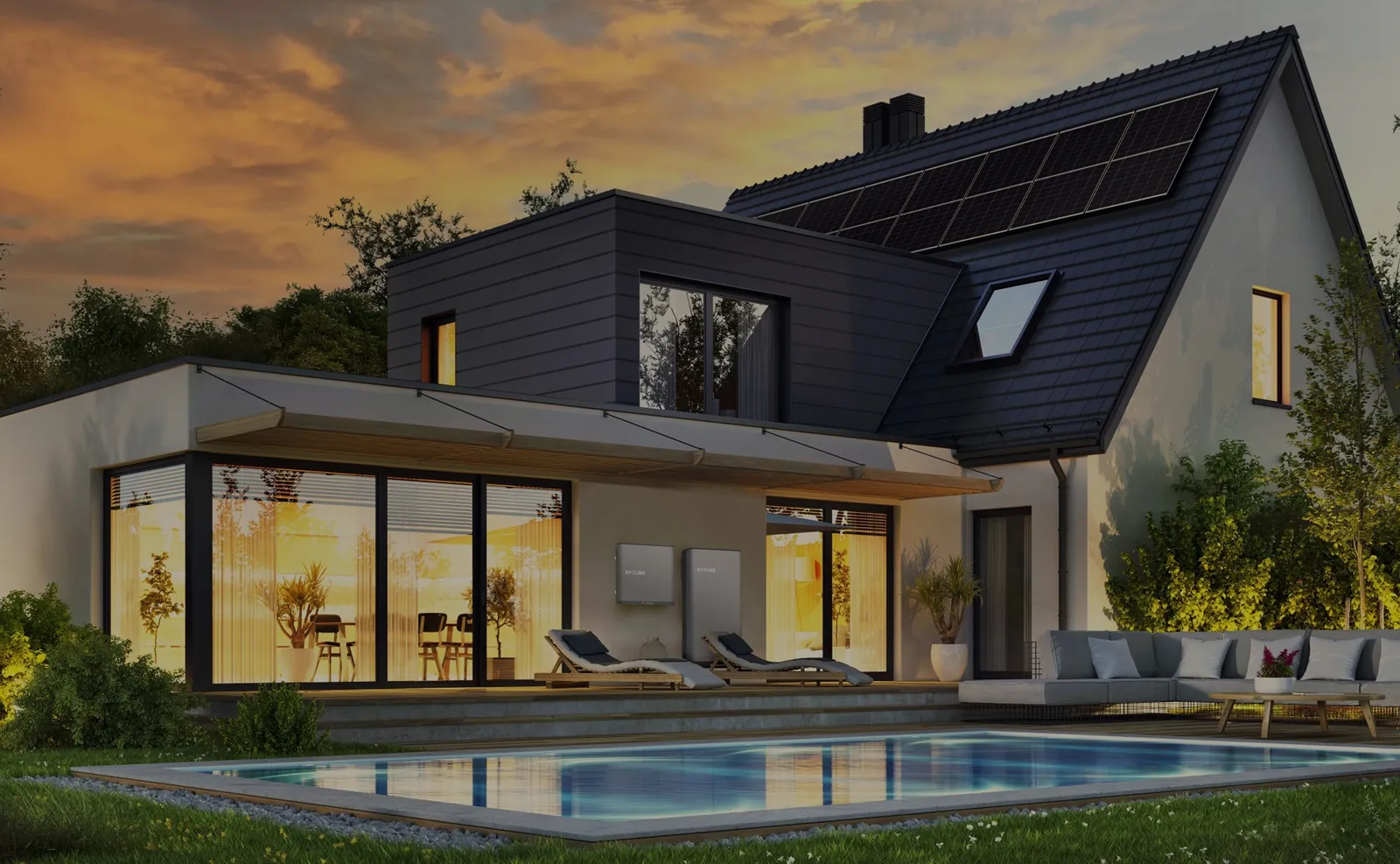 Case study · SunrunDesigning a brighter energy future.See the work
What an embedded design team covers
The biggest practical advantage over a single hire is range. One designer rarely covers product, brand and web equally well. A crew can, and you only pay for the mix you need that month.
- Product UI and UX: flows, screens and prototypes your engineers can build from.
- Design systems: components and tokens that keep everything consistent as you scale. If AI features are on the roadmap, the same system has to cover new patterns, which we wrote about in designing AI products.
- Web and landing pages: marketing sites and launch pages, designed and built in Framer.
- Campaigns, social and motion: paid social, display, content systems and launch videos.
- Pitch decks and packaging: fundraising and sales decks, retail boxes and merch.
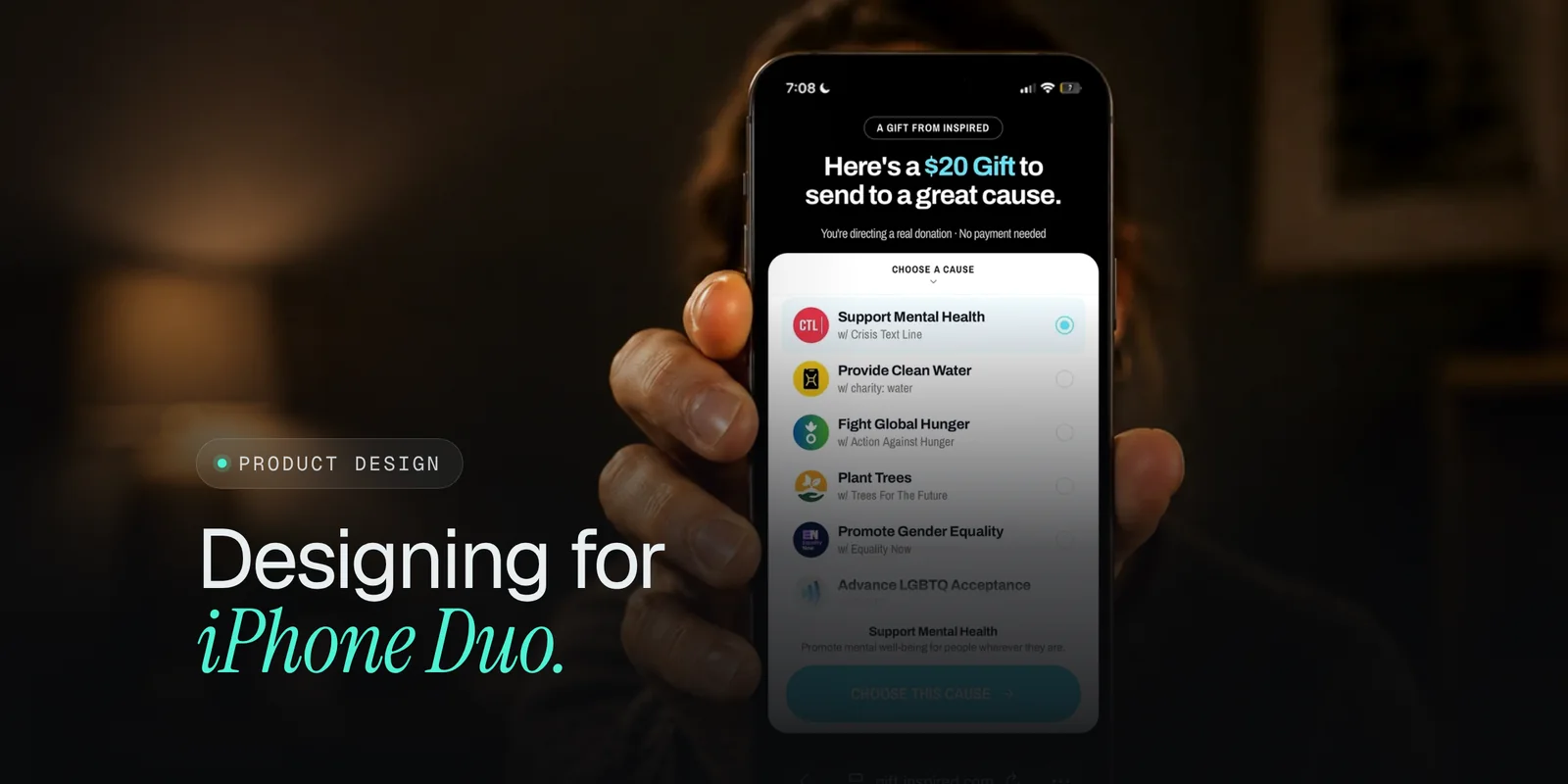
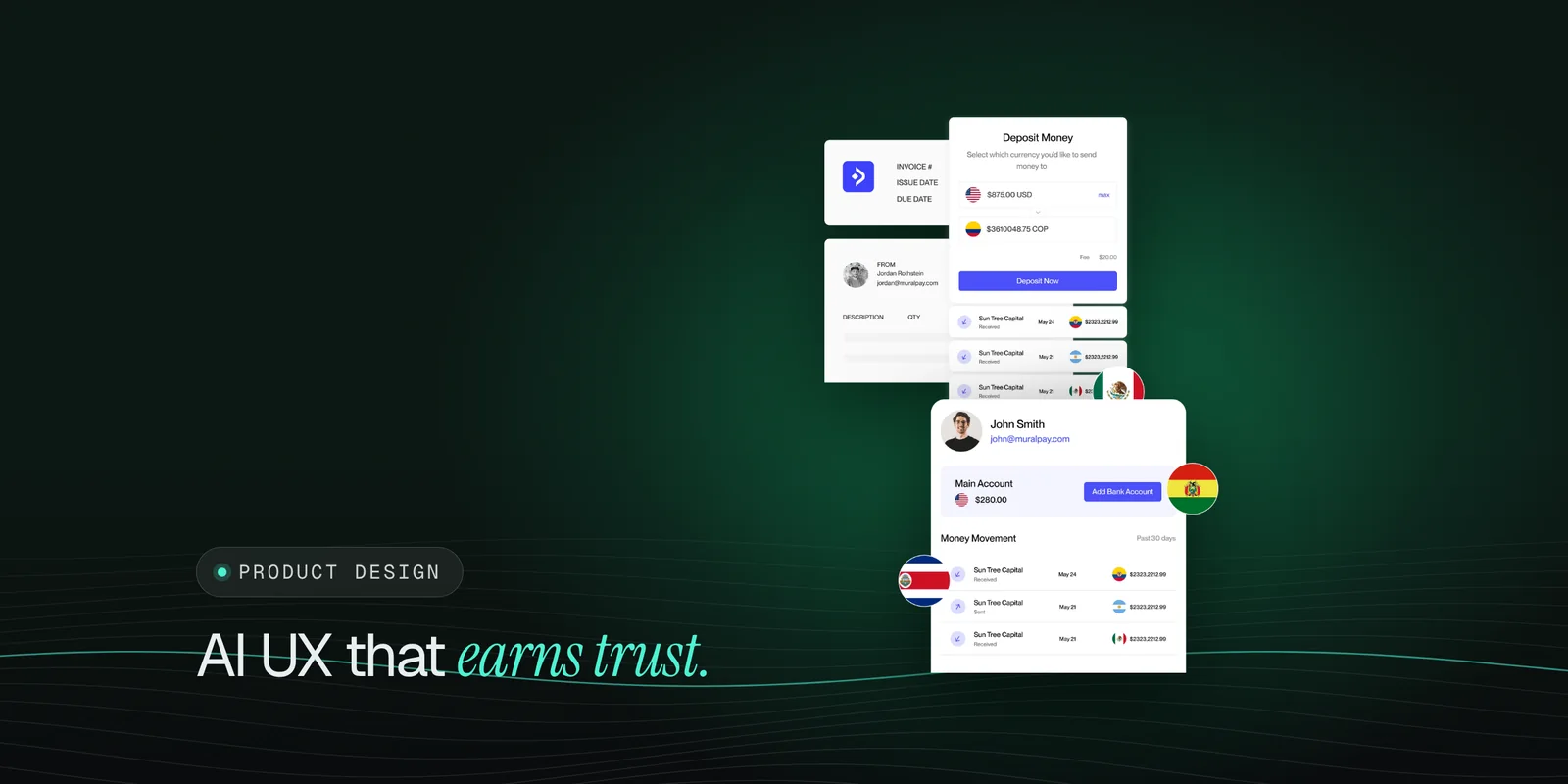
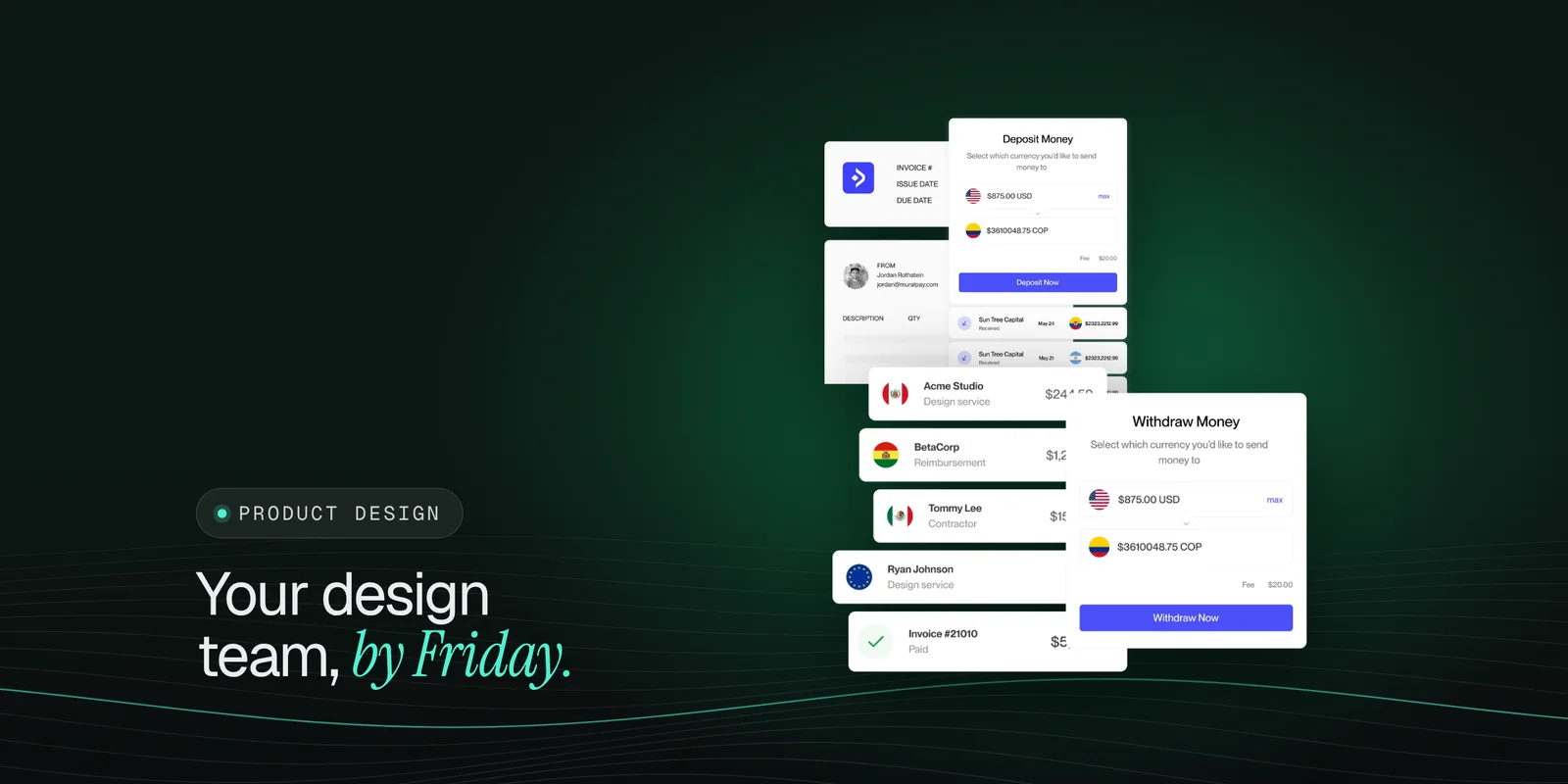
Our client work shows the spread. At Sunrun, the work is web design, social and campaign visuals, delivered as steady, always-on support. At GoPuff, a year-plus embedded creative run covered six channels, from banner ads and app design to billboards, in-store and merch. At Mural Pay, King Tide leads all product, UX and UI design and built the marketing site in Framer.
How to get the most from a fractional design team
The best results come from teams that treat the designer like a colleague. A few habits make the difference:
- Name one decision maker. Someone on your side who can say yes. Design stalls when every review needs a committee.
- Keep one ranked backlog. Put design work in the same list as engineering work, ranked by what matters most this sprint.
- Share the context, not just the task. Customer calls, analytics and support threads help a designer solve the right problem instead of the one in the ticket.
- Review in the work. Comment in Figma or the ticket, not in long meetings. Short loops beat big presentations.
- Plan capacity around launches. Add people before a launch or a raise, and scale back after. That flexibility is the reason to choose this model.
The same principle sits behind our view of senior only product teams: fewer, more experienced people who can own a decision move faster than a bigger team that needs direction.
When to scale it up, down or out
A fractional design team is not meant to be forever for every company, and it should not be sold that way.
- Scale up for a launch, a rebrand, a fundraise or a new product line. Start with one senior designer and add product, brand or motion people as the roadmap calls for it.
- Pause between sprints when there is no design work worth doing. A month-to-month plan should let you.
- Scale down when you hire your own designer. A good crew helps the hire land: shared files, a documented system and a few weeks of overlap, the same way we think about handing off an MVP to an in-house team.
Some teams keep the crew after hiring anyway, for brand, web and campaign work while their in-house designer goes deep on the product. That is a fine outcome too.
The takeaway
A fractional design team works when it is embedded: same tools, same rituals, shipping every week, and sized to what your roadmap needs this month. Plan the first week, keep one backlog and one decision maker, and scale the crew around your launches. If you want senior designers in your sprints by next Friday, tell us what you are working on.
Questions founders ask
What is a fractional design team?
A fractional design team is a group of senior designers who work on your product part time or on a monthly plan instead of as full-time employees. A good one joins your tools and rituals, so in practice it works like an embedded design team you can scale up or down.
What is the difference between a fractional and an embedded design team?
Fractional describes how you buy it: a share of a team's time on a flexible plan. Embedded describes how it works: inside your Slack, Figma, Linear and standups, owning work alongside your engineers. The setup worth paying for is both.
How fast can a fractional design team start?
At King Tide, usually within a week. We learn your product, brand and backlog on day one, set up in your tools, and your designer joins standups and starts shipping in the first week.
How much does a fractional design team cost?
King Tide's monthly design team starts at $3K a month, month to month, with the option to pause or scale. Our guide to design subscriptions versus hiring compares that with a full-time hire, a freelancer and an agency.
Can one fractional design team cover product and brand?
Yes. One crew can cover product UI and UX, design systems, Framer websites, campaigns, social, pitch decks, packaging and motion, starting with one senior designer and adding people as the roadmap calls for it.