How to Hand Off an MVP to an In-House Team Without Losing Speed
The day you hire your own engineers is the day most products slow down. It does not have to be. Here is how to move an MVP from the crew that built it to the team that will own it.
Knowing how to hand off an MVP to an in-house team is what separates a first version that keeps growing from one that stalls the month your first engineer starts. The short answer: plan the handoff on day zero, hand over ownership and context rather than just code, hire someone senior enough to own the product, and ramp the outside crew down over a few weeks instead of switching it off on a Friday.
This guide covers when to start, what the handoff package should hold, who to hire first and how to run the overlap. It comes from how we run every AI MVP we build: production code you own on day one, and a crew that ramps down when you hire.
Why MVP handoffs go wrong
Most handoffs fail for boring reasons, and almost none of them are about code quality.
- Nobody owned the transition. The build had a plan and a launch date. The handoff had neither, so it happened whenever the new hire showed up.
- Ownership was never transferred. The repo, the cloud account or the App Store listing still sits under someone else's login, and the first week goes to chasing access.
- The code arrived without the reasons. A new engineer can read what the code does. They cannot read why the team chose this database, skipped that feature or built the payment flow this way. Without the reasons, they rewrite things that were fine.
- The crew vanished. The people who built the product move on the day the new team starts, and every question becomes a guess.
Each of these is avoidable, and none of them requires a slower build. They require deciding, before the build starts, what the end of the engagement looks like.
When to start the handoff
Start on day zero. In our playbook for building an AI MVP in 30 to 60 days, one of the common mistakes is having no owner after launch, and the fix is to decide who iterates once the first users arrive before any work starts.
In practice, that means three decisions in the scope:
- Who owns the product after launch. You, a future hire, or the studio for a while longer.
- What the handoff includes. Repos, docs and access listed as deliverables, not favors at the end.
- The trigger for the handoff. Usually your first senior engineering hire, not a calendar date.
The actual transfer happens later. A good moment is after the product has real users and the roadmap is based on what they did, because your new team inherits a product with a direction, not a pile of guesses.
How to hand off an MVP to an in-house team: the package
A useful handoff package lets a capable engineer go from a new laptop to a shipped change in their first week. Here is what belongs in it.
Ownership and access
- Every repo in your company's organization, with your team as admins.
- Cloud, hosting, database, domain and email accounts billed to and owned by your company.
- App Store and Google Play listings under your own developer accounts.
- Third-party services such as payments, analytics, error tracking and AI model providers, with keys rotated when the outside crew leaves.
Context
- An architecture overview. One or two pages: the main parts of the system, how data moves and where it lives.
- A decision log. The important choices and why they were made, including what was deliberately left out.
- A setup guide that works. Test it by having someone follow it on a clean machine.
- Known issues and debt. An honest list of what is rough and what you would fix next. Hiding this costs more later.
Product and design
- The design files and the design system, with the components that map to the code.
- The analytics setup and the few numbers the team watches weekly.
- The roadmap, built from what real users did, not what the first plan imagined.
AI parts, if your product has them
- The prompts, model choices and settings in version control, not in someone's notes.
- Any evaluation sets used to check that AI output stays good, so your team can change a model or a prompt without guessing.
- Usage and cost dashboards, so nobody is surprised by the first big bill.
Who should your first in-house hire be?
For most startups coming out of an MVP, the first hire should be a senior engineer who can own the codebase, make technical decisions and talk to users. A junior engineer is cheaper on paper but needs direction the outside crew is about to stop providing. We make the broader case in why a senior only product team ships faster: seniority matters most while the big decisions are still open.
Bring the outside crew into the hiring process. The people who built the product know exactly what the job looks like and can run a realistic technical conversation with candidates.
If design is your gap instead of engineering, you do not have to hire on day one either. A monthly design team can cover product, brand and web, scale up for launches and scale down when you hire. Our guide to a design subscription versus hiring a designer compares the costs side by side.
Ramp down, do not drop off
The best handoffs overlap. For a few weeks, the outside crew and your new team work in the same repo, the same Slack and the same reviews. A simple sequence works:
- Pair first. Your new engineer ships small changes with the builders reviewing.
- Swap roles. Your engineer leads changes and the builders review.
- Stay on call. The outside crew answers questions for a while after the last commit.
Some founders never fully hand off. Inspired had King Tide build its first Shopify app and core web app, then kept us embedded as its engineering team for two years as adoption grew. As its CEO, Steve Ready, put it, King Tide "saved us from having to staff up too much internally while we were finding product-market fit."
 Case study · InspiredEvery purchase, an act of gratitude.See the work
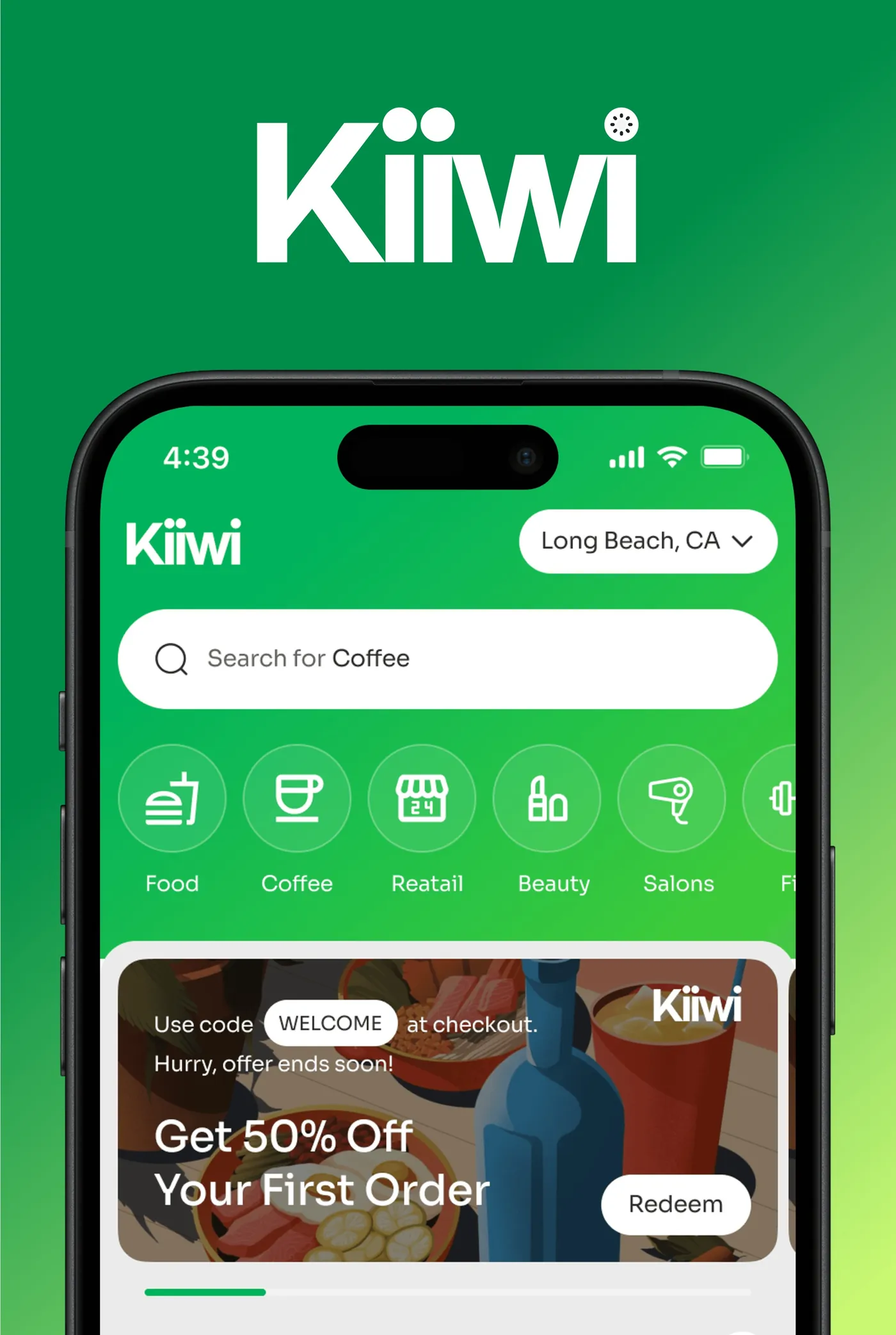
Others take the product in-house as soon as they can hire. Both are fine. What matters is that you choose, instead of the timing choosing for you. With King Tide you can keep iterating with us, ramp us down as you hire, or take clean repos and docs and run. A focused first version starts at $4,999, and a full AI MVP is usually around $15K, at a fixed price agreed before we start. Founders like KIIWI, which King Tide took from concept to launch, make that call once the product is live and the next steps are clear.
A one-page MVP handoff checklist
- Every account and repo is owned by your company, and outside access is listed and removed on a set date.
- A new engineer can run the product locally from the setup guide alone.
- The architecture overview and decision log exist and are current.
- Known issues are written down and ranked.
- Design files, the design system, analytics and the roadmap are shared.
- AI prompts, models and evaluation sets are in version control.
- The overlap period has a start, an end and a named person on each side.
The takeaway
A handoff is a product milestone, not an admin task. Decide on day zero who owns the product after launch, put ownership and context in the scope, hire someone senior enough to own the code, and give the two teams a few weeks together. Do that and your first in-house engineer ships in week one instead of spending a month on archaeology. If you are planning an MVP and want the handoff designed in from the start, tell us about it.
Questions founders ask
When should I start planning the handoff of my MVP?
On day zero. Decide who will own the product after launch before the build starts, and make clean repos, docs and access part of the scope, so the handoff is a step in the plan instead of a scramble when your first hire starts.
What should an MVP handoff include?
Ownership of every repo and account, a short architecture document with the decisions behind it, a local setup guide that works on a new laptop, the design files and system, analytics, any AI prompts and evaluation sets, and a list of known issues. A few weeks of overlap with the team that built it matters as much as the documents.
Who should be my first in-house hire after an MVP?
Usually a senior engineer who can own the codebase and make technical decisions without supervision, not a junior who needs direction. If design is the bottleneck instead, a monthly design team can cover product, brand and web until you hire a designer.
Do I own the code if a studio builds my MVP?
You should, and it belongs in the contract. At King Tide, you own production-grade code from day one and get clean repos and docs at handoff.
Can the studio keep working with my team after the handoff?
Yes, if you want it to. With King Tide you choose: we keep iterating with you, ramp down as you hire your own team, or hand off clean repos and docs.