How to Build an AI MVP in 30 to 60 Days
Most first products die in a year-long build. Here is the exact sequence we use to put a production AI product in real users’ hands in 30 to 60 days.
AI MVP development is no longer a six-month project. With a tight scope, senior people and AI-accelerated engineering, a focused product can go from idea to live users in 30 to 60 days. The hard part is not the code. It is deciding what not to build.
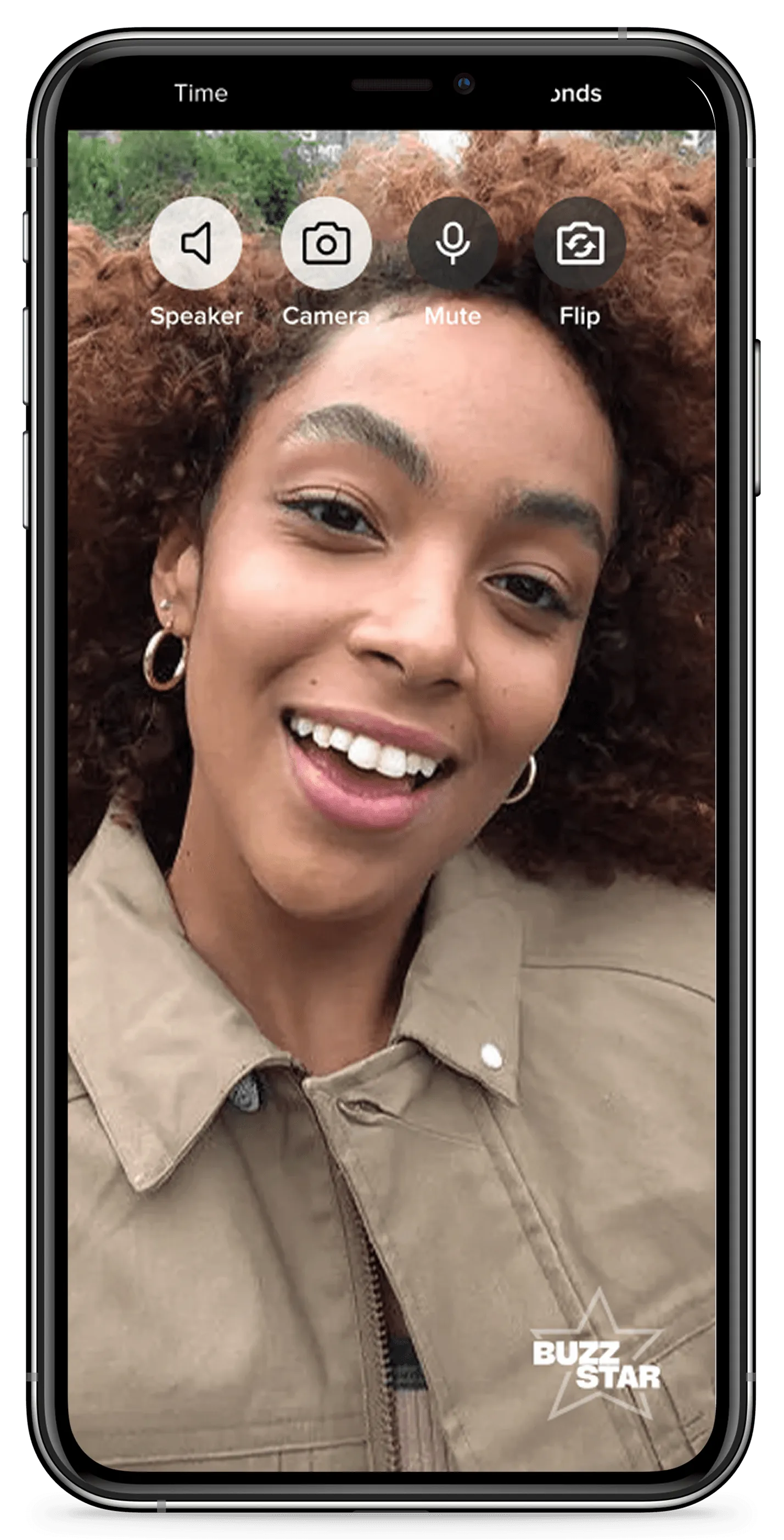
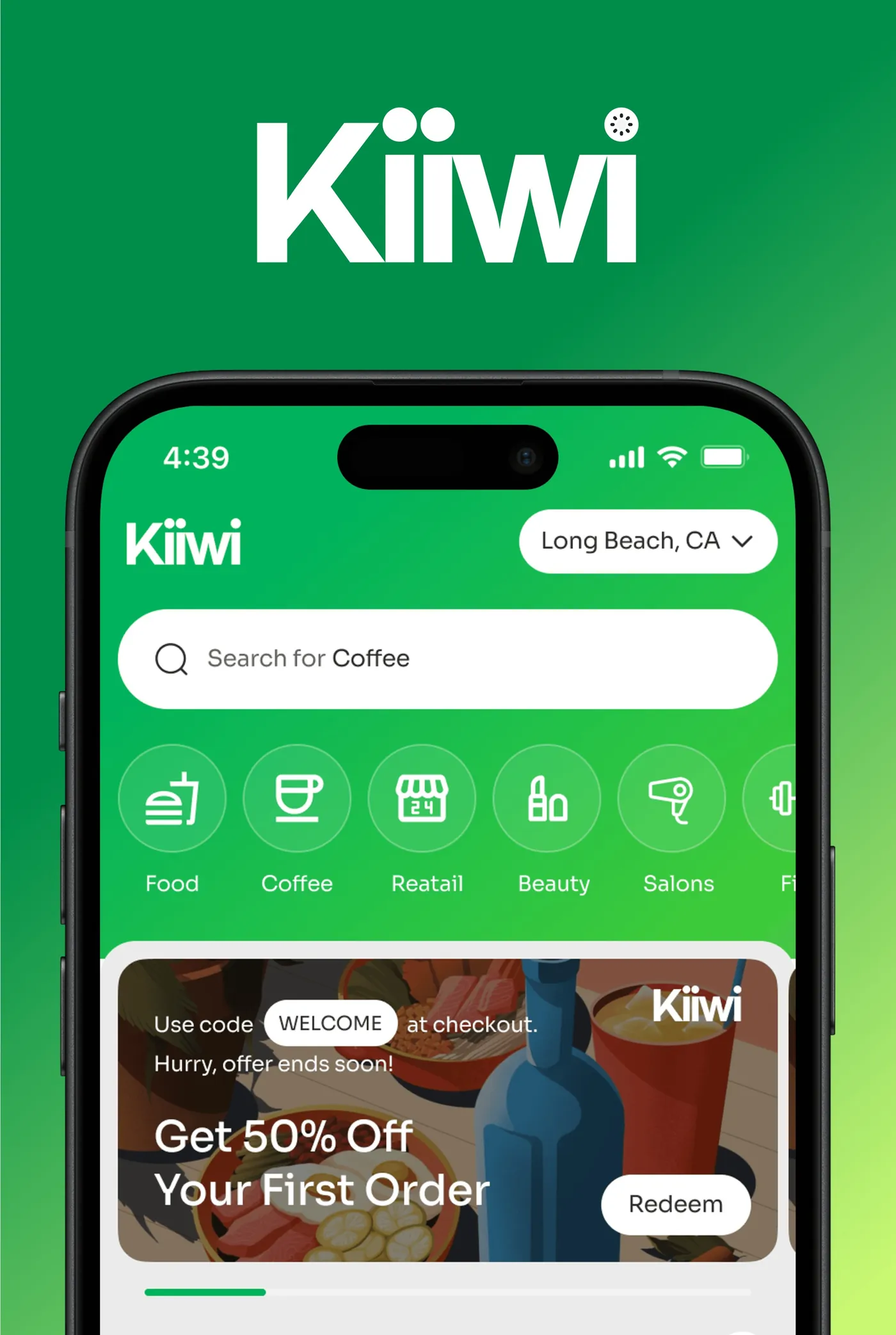
This is the playbook we run at King Tide on every AI MVP engagement. It is the same sequence behind products like KIIWI, which we took from concept to launch, and BuzzStar, which we incubated with creator Austin McBroom.
Why AI MVP development got faster
Three things changed at once. AI coding tools now handle much of the boilerplate that used to eat weeks: scaffolding, forms, CRUD screens, tests and migrations. Foundation models turned features that once needed a research team, like summarizing documents or answering questions over your own data, into an API call plus good product design. And design tools let a single senior designer produce production-ready flows in days.
What did not change is judgment. AI makes it cheap to build the wrong thing quickly. The teams that ship real products in weeks are the ones that spend their first day cutting scope, not adding features.
Day 0: scope one product, not a platform
Every build starts with a 30-minute scope call. The goal is to leave with one product, one price and one date. We ask three questions:
- Who is the first user, specifically? Not "small businesses". A coffee shop owner in Long Beach with slow afternoons is a user. That level of detail is how KIIWI started.
- What is the one job they hire the product for? If the answer has an "and" in it, it is two products.
- What has to be true for this to be worth building? Usually one behavior: merchants post offers, fans book calls, investors upload documents.
Everything that does not serve that one job goes on a later list. Admin dashboards become a spreadsheet. Settings pages become sensible defaults. Native apps on two platforms often become one cross-platform app. You can read more about how we run this in what happens on a King Tide scope call.
Week 1: a design sprint you can see every day
The first week is design, reviewed live with the founder every day. We map the core flow end to end, design the screens that flow touches and build a lightweight design system so engineering never waits on a mockup.
For AI products, this is also where we design the AI itself: what the model sees, what it is allowed to do, how the user corrects it and what happens when it is wrong. Treating the AI as a product surface, not a backend detail, is the difference between a demo and something people trust. We go deeper on this in designing AI products: the UX patterns that matter.
Weeks 2 to 7: AI-accelerated engineering with daily progress
The build runs on a standard, boring stack chosen for speed and hiring later: a typed web or cross-platform mobile frontend, a managed database, authentication, payments where needed and a model provider behind a thin service layer so you can swap models without a rewrite.
AI tools write a large share of the first-draft code. Senior engineers decide the architecture, review every change and own the parts that matter most: data models, security, payments and the AI pipeline. Founders get a preview build they can click every day, not a status report at the end of the month.
Three habits keep the timeline honest:
- Real data from week two. Fake data hides the hardest problems. We connect real sources early.
- One crew from design through code. The designer who drew the flow sits with the engineers who build it, so decisions take minutes.
- A weekly cut line. Every Friday we decide what moves to after launch. Nothing slips silently.
Case study · KIIWIDiscover local. Support local. Grow local.See the work
Day 30 to 60: launch like a real company
Launch is a checklist, not a moment: App Store and Play Store submissions if it is mobile, analytics on the core flow, onboarding, error monitoring, a support inbox and your first real users. For many founders it also means a name, logo and launch site, which is why our MVPs can include a brand starter.
The test of an MVP is simple. Can a stranger find it, sign up, get value and come back without you on the phone? If yes, you have a product. If not, you have a demo.
What makes AI MVPs fail
Most failed MVPs share the same causes, and none of them are technical:
- Scope creep disguised as ambition. "While we are at it" is the most expensive phrase in software.
- AI bolted on as a feature. A chatbot in the corner rarely changes a product. AI that removes a step from the core workflow does.
- Building for investors instead of users. A product people use raises better than a deck about one they might.
- No owner after launch. Decide on day zero who iterates after the first users arrive.
After launch: iterate, ramp down or hand off
Once real people use the product, the roadmap writes itself. Some founders keep iterating with us. Others ramp us down as they hire. Either way you own clean repos, docs and a product that works. For startups where the fit is right, we also invest. King Tide puts $25K to $100K into early-stage companies and sometimes trades discounted design and engineering for equity, as we did with Raziel.
If you are weighing the budget side, start with our breakdown of what MVP development costs in 2026.
The short version
Pick one user and one job. Design it in a week. Build it on a boring stack with AI doing the typing and seniors doing the thinking. Launch with analytics and real users inside 60 days. Then let the users tell you what to build next.
Questions founders ask
How long does AI MVP development take?
With a tight scope and a senior team, a production AI MVP can be live with real users in 30 to 60 days. The timeline depends far more on scope discipline than on the technology.
What is the difference between an AI MVP and a prototype?
A prototype shows an idea. An MVP is production software with real users, real data, authentication and analytics, built on code you own and can keep extending.
How much does it cost to build an AI MVP?
At King Tide, AI MVPs start at $15K for a fixed scope. The price is set on the scope call before any work starts, so it does not move mid-build.
Do I need a technical co-founder to build an MVP?
Not to launch. A senior product crew can design, build and launch the first version, then hand off clean repos and docs when you hire your own team.