Creator Video Call App: What We Learned Building BuzzStar
Fans will pay for a few real minutes with someone they follow. Building the app that sells those minutes is a product problem on two sides at once. Here is how we approached it with BuzzStar.
A creator video call app sells something simple and rare: a few real minutes, face to face, with someone a fan already follows. The product looks small from the outside, a profile, a button and a video window, but it has to work for two very different people at once, the fan paying for the moment and the creator whose time is the product. We learned that firsthand building BuzzStar, which we incubated with creator Austin McBroom.
This piece covers what a creator video call app actually needs, how to think about payments and the creator side, what to cut from a first version and what the BuzzStar build looked like from our side. If you are planning a product like this, it is the conversation we would have on a first call about an AI MVP.
What a creator video call app is
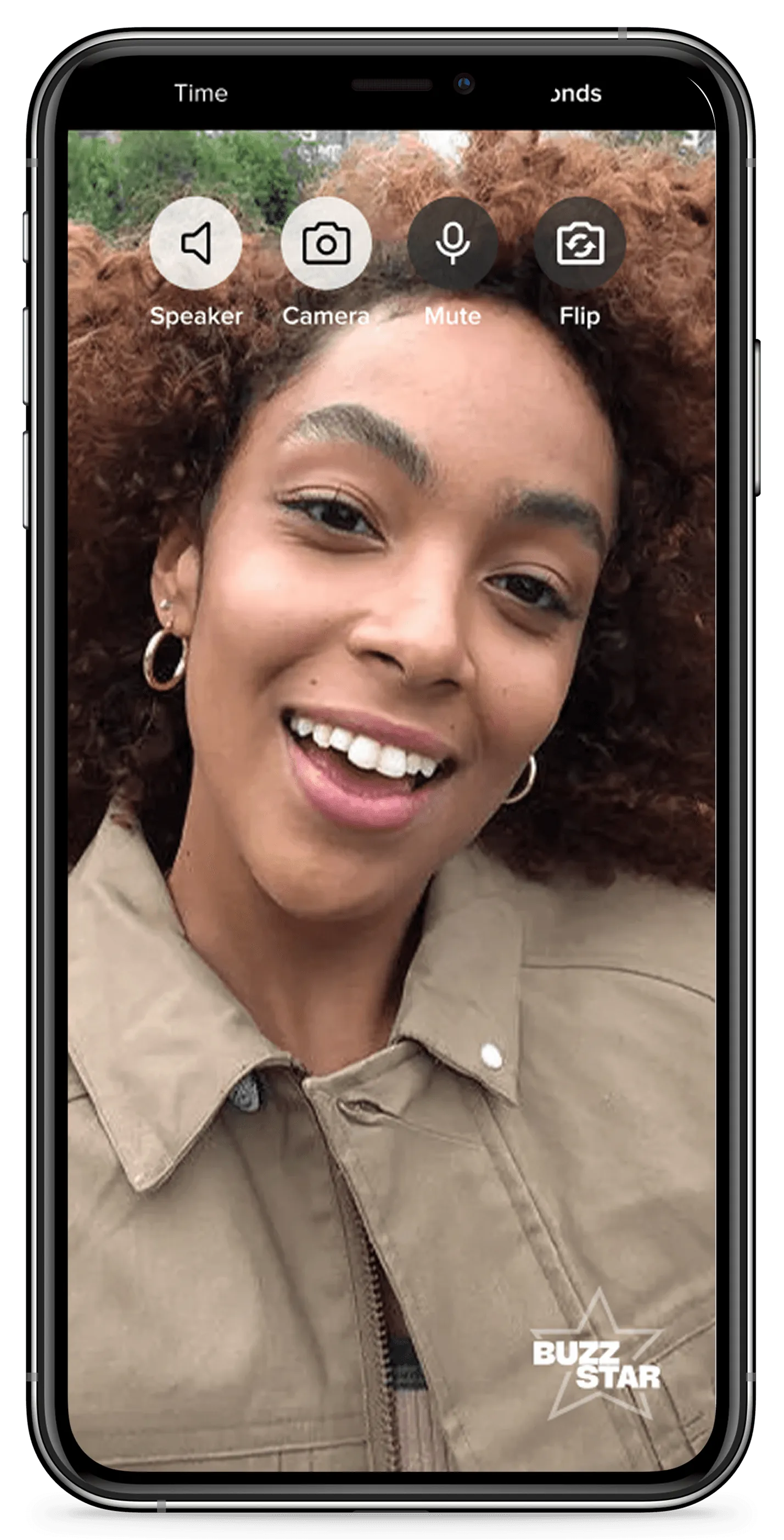
At its core, a creator video call app lets fans book real-time, paid, one-on-one calls with creators. On BuzzStar, fans pay by the minute, get notified when a creator goes live, can record the moment and build a connection that goes beyond likes and views.
That last part is the whole point. Social platforms give creators reach, but most of the interaction is one way: a creator posts, thousands of people react. A video call flips that. The fan gets direct access, and the creator gets a way to earn from the people who care most, without an algorithm deciding who sees what.
It sits in the same family as other creator-owned products. COY Creator, where we led brand, UX/UI and web and mobile development, gives creators their own site with subscriptions, messaging and livestreams. A call app is the most personal version of that idea: one fan, one creator, one live moment.
The core flows, and what each one has to get right
A first version of a creator video call app comes down to five flows. Each one carries a specific job.
- Discovery and following. Fans need to find creators they already know and follow them inside the app. BuzzStar has a following screen with creators and celebrities, and each creator gets a profile with a clear button to start a call. The profile does the selling, so it should feel like the creator's space, not a listing.
- Going live and notifications. A call only happens when both people are there. A notification that a creator just went live turns a passive follower into a caller. Get the timing and wording of that message right before anything else.
- Payment. The fan has to know what the call costs before it starts and trust that they will not be surprised after. More on this below.
- The call. Video quality, a visible timer and an obvious way to end the call. When the fan is paying for every minute, the clock has to be honest and always in view.
- The keepsake. Recording the call gives the fan something to keep and share. It also gives the moment a life after the call ends, which matters to creators too.
Everything else, from leaderboards to group calls to gifts, is a second version decision.
 Case study · BuzzStarVideo call your favorite star.See the work
How should a creator video call app charge?
Pricing shapes the product more than any screen. The two common models behave very differently.
Per minute. BuzzStar charges by the minute. It fits short, spontaneous calls: a creator goes live, fans jump in, and each fan decides how long to stay. The design work is making the running cost feel fair, with the rate shown before the call and the time visible during it.
Per booked call. A fixed price for a fixed slot is easier for creators with tight schedules, and simpler for a fan buying a call as a gift. It needs a real scheduling flow: availability, time zones, reminders and what happens when someone misses the slot.
Whichever you choose, decide early how the platform and the creator split the money, when creators get paid, and how refunds work when a call drops. Those rules belong in the scope, not in a patch after launch. If you ship on iOS, check Apple's current App Store Review Guidelines on payments for real-time services before you pick a payment provider, because the rules decide which purchase methods you can use.
Designing for the creator side
Most founders design the fan experience first. The creator side decides whether the product survives.
A creator has many ways to earn already. To show up for calls, the app has to make it worth their time and easy to fit around everything else they do. That means:
- Control over availability. Creators choose when they are live and when they are not. Nobody wants a stream of calls at the wrong moment.
- A profile they are proud to share. If a creator would not post the link to their followers, the profile has failed. On BuzzStar, every creator profile, like Austin McBroom's, comes with its own link to share.
- A brand that matches the talent. We built BuzzStar's brand to feel exclusive and high energy, because the people on the platform are. A brand that looks like a utility app makes access to a star feel ordinary.
The supply side also shapes the launch. A call app with no creators live is an empty room, so plan the first creators before the first fans. BuzzStar started with a creator, Austin McBroom, as a co-founder, so the first creator was on board from day zero.
What the BuzzStar build looked like
We incubated BuzzStar from day one with Austin McBroom. Our crew handled the branding, the pitch deck for the raise, product design and full-stack development of the app for scheduling and video calls, and kept maintaining the app as top creators came on board. King Tide also invested in the venture, the same way we back other companies we build, which we explain in what a venture studio is.
Andrew Bachman, BuzzStar's CEO, described it this way: "King Tide built BuzzStar from the ground up alongside us. They designed the product, wrote the code, and were in the trenches with us through fundraising. It felt less like hiring a studio and more like gaining a founding team."
The lesson we took from it applies to any two-sided consumer app: one crew owning brand, product and code means the promise in the pitch deck, the feel of the brand and the experience in the app all say the same thing.
Scoping your first version
If you are building a creator video call app, keep the first version narrow. One way to pay, one platform if you can, the five flows above and a short list of creators who have agreed to take calls. Then put it in real fans' hands and watch which creators get booked, how long calls last and who comes back.
That is the shape of every AI MVP we build: one focused product, live in 30 to 60 days. A focused first version starts at $4,999 and a full MVP is usually around $15K, at a fixed price agreed before we start. Our MVP cost guide breaks down what moves that number, and what happens on a scope call shows how we decide what makes the cut.
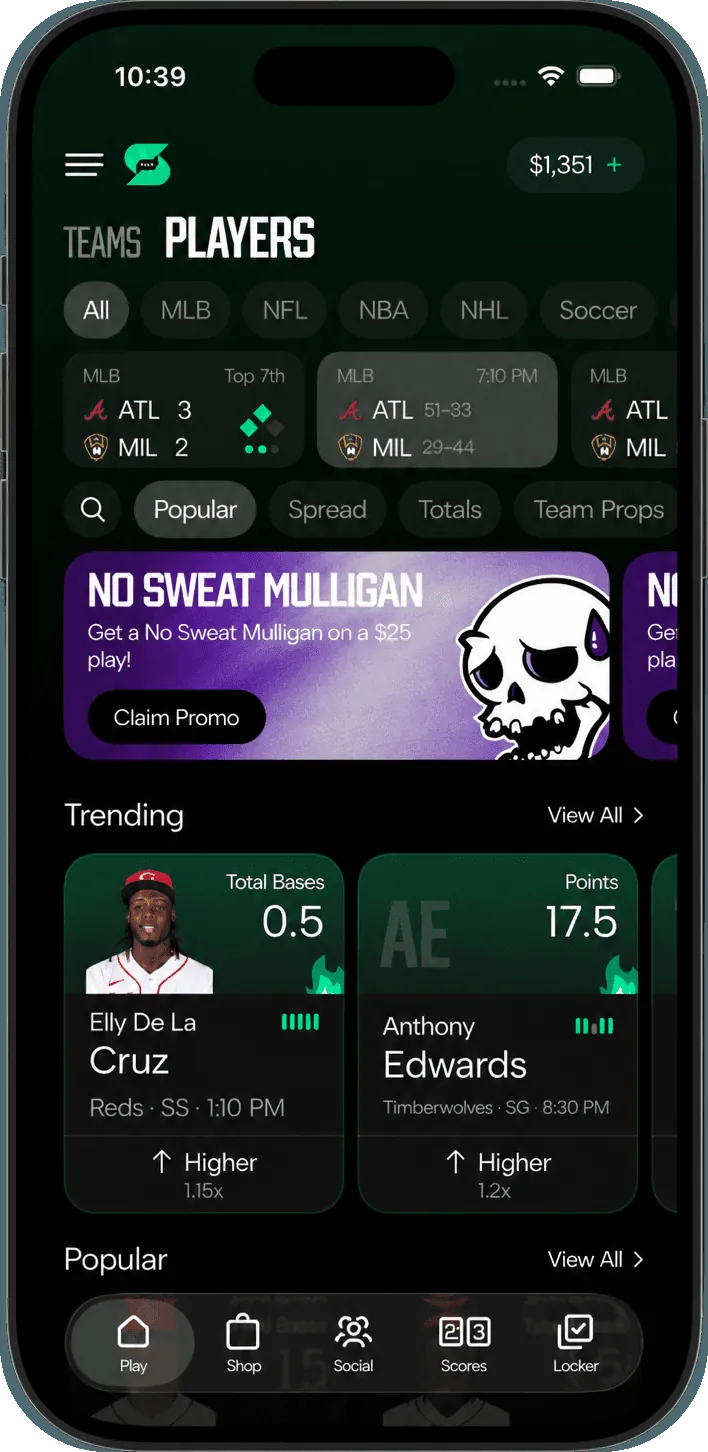
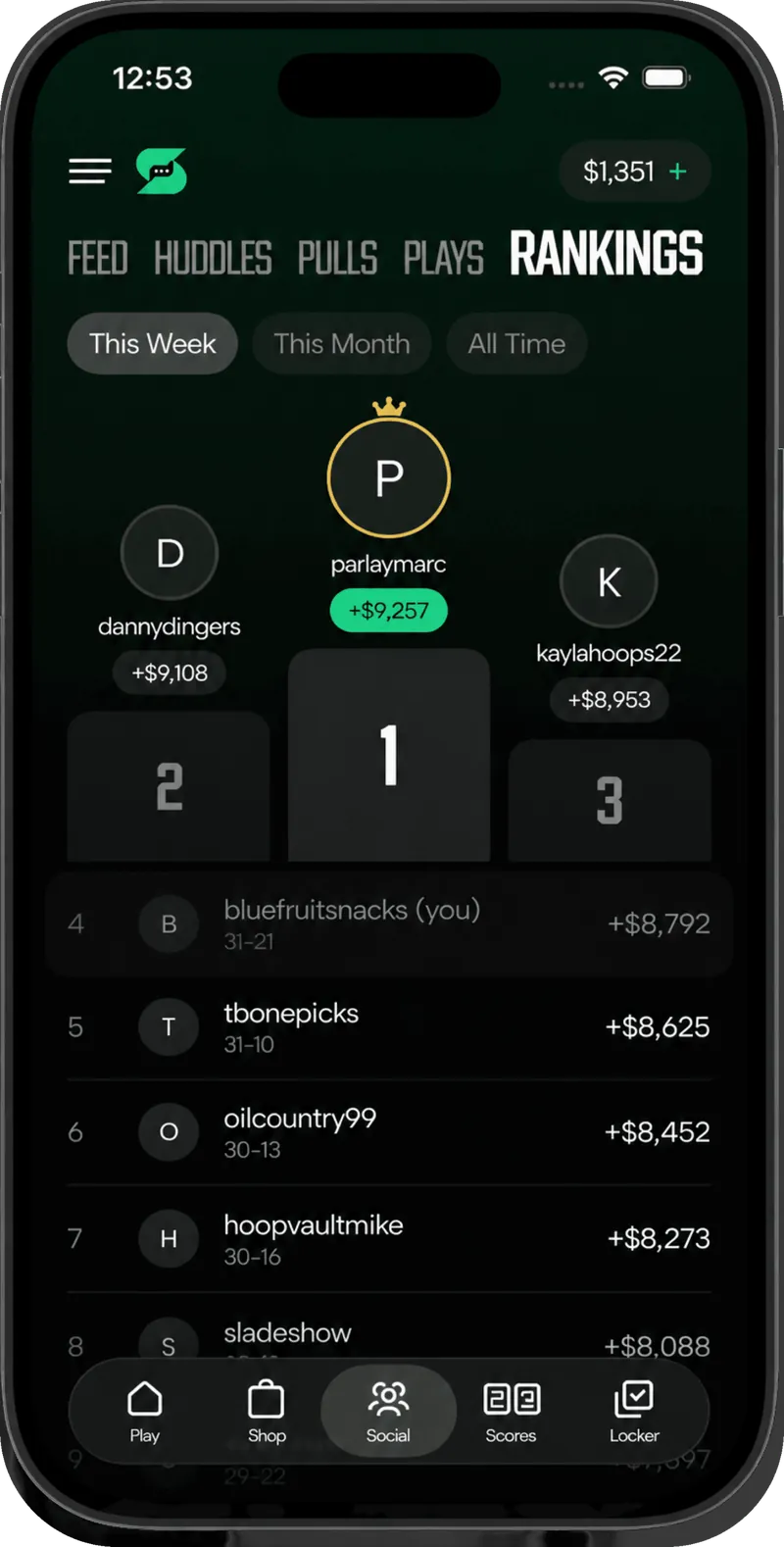
For a different take on social products built around fans, see Smacktok, the social sports gaming app we incubated and still design and build.
The takeaway
A creator video call app wins on trust and timing: fans trust the price and the clock, creators trust that their time is respected, and both show up at the same moment. Build the five core flows well, pick one pricing model, line up creators before launch and let real calls tell you what to build next. If you have a creator, an audience or an idea like this, tell us about it.
Questions founders ask
What is a creator video call app?
It is an app where fans pay for real-time, one-on-one video calls with creators, athletes or celebrities. BuzzStar, which King Tide incubated with creator Austin McBroom, lets fans book paid calls, pay by the minute, get notified when a creator goes live and record the call.
What features does a creator video call app need at launch?
Creator profiles, a way for fans to follow creators and get notified when they are available, payment, the live call itself and a simple way for creators to manage when they take calls. Everything else can wait until real usage shows what matters.
Should a creator video call app charge per minute or per call?
Both work. Per-minute pricing feels fair for short, spontaneous calls and lets a fan decide how long to stay. Fixed-price booked calls are easier to plan around for creators with busy schedules. Pick one for the first version and test it with real fans.
How long does it take to build a creator video call app?
A focused first version can go live in 30 to 60 days with a senior crew and a tight scope. At King Tide, AI MVPs start at $4,999 for a focused first version, and a full MVP is usually around $15K, at a fixed price agreed before the build starts.
Who built BuzzStar?
King Tide incubated BuzzStar with Austin McBroom and handled branding, the pitch deck, product design and full-stack development from concept to launch, then kept maintaining the app as top creators came on board. King Tide also invested in the venture.