What Is a Venture Studio? How It Works and When Founders Should Use One
A venture studio builds companies alongside founders, with its own people and often its own money. Here is how the model works, who it fits and how to read the deal before you sign.
A venture studio is a company that builds startups with its own team: it brings the product, design and engineering people, often writes an early check, and takes equity in each company it helps start. Instead of handing a founder money and advice, a venture studio does a large share of the actual work in the first year. For a founder with a strong idea and no product team yet, that can be the fastest way from a pitch to a product people use.
This guide covers how a venture studio works, what you get and what you give up, how it compares with an agency or an accelerator, and the questions to ask before you sign. It comes from how we work on our own ventures: some companies we incubate from an idea, some we back with a check, and some we build for at a fixed price through our AI MVP service.
What is a venture studio?
Venture studios go by a few names: startup studio, company builder, venture builder. The model is the same. A small, permanent crew of operators starts or joins new companies, builds the first version of each one, and owns a meaningful stake in the result.
Three things set a studio apart from other ways of getting a startup off the ground:
- It builds. The studio's own designers and engineers ship the product. They are not advisors who check in once a month.
- It owns. The studio takes equity, so it is paid when the company succeeds, not only when hours are billed.
- It repeats. A studio runs the same playbook again and again: scope, brand, build, launch, raise. Each company benefits from what the last one taught the crew.
Some studios come up with every idea themselves and recruit a founder to run it. Others partner with founders who already have the idea and the market insight. Many do both.
How a venture studio works, from idea to company
The details differ by studio, but the path usually looks like this:
- Pick the problem. The studio and the founder agree on one clear problem and one first customer. A studio that has built many products will push hard to keep the first version small.
- Build the brand and the story. A name, an identity and a positioning that make a young company look like a real one in front of users and investors.
- Build the product. The studio's crew designs and engineers a production product, not a deck or a clickable prototype, and puts it in real users' hands.
- Raise. With a live product and real usage, the founder raises a first round. The studio often helps with the deck, introduces investors and sometimes invests in the round itself.
- Hand over. As the company hires its own team, the studio steps back from daily work and stays on as a shareholder.
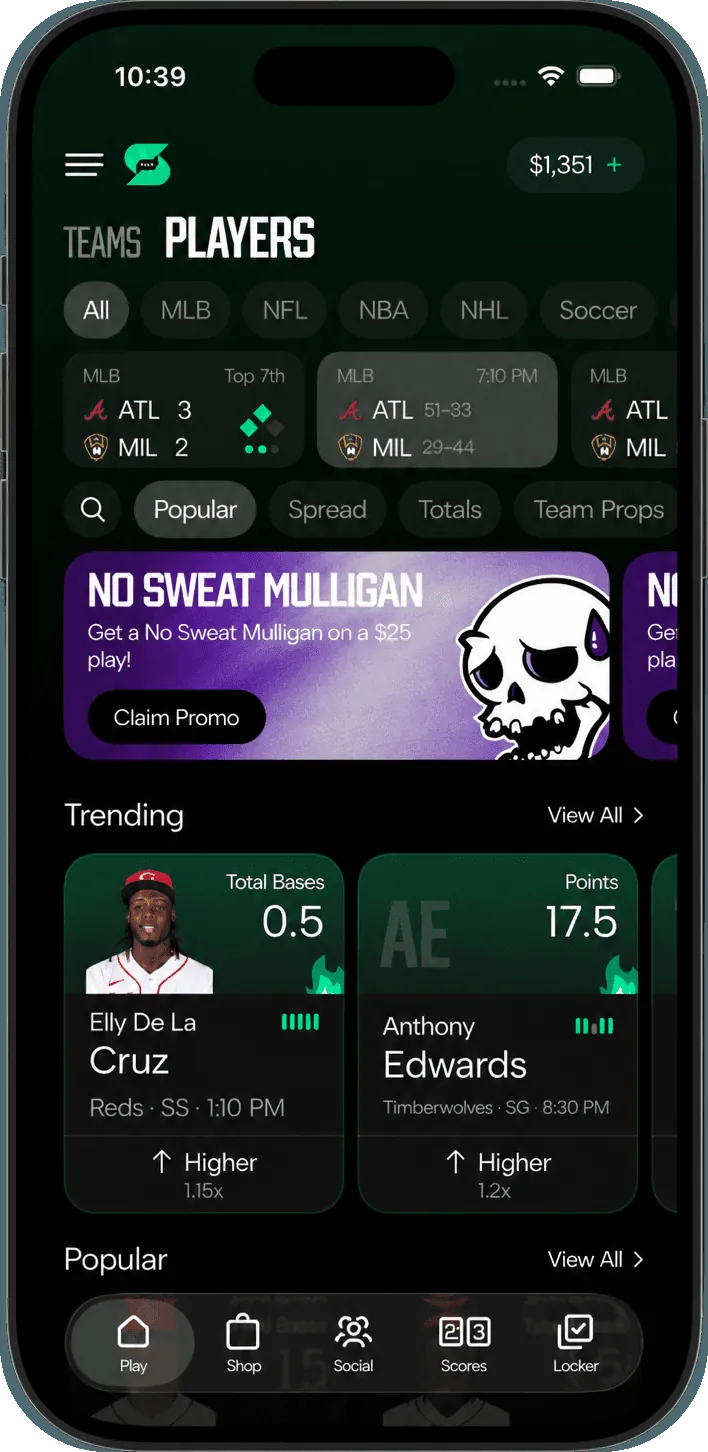
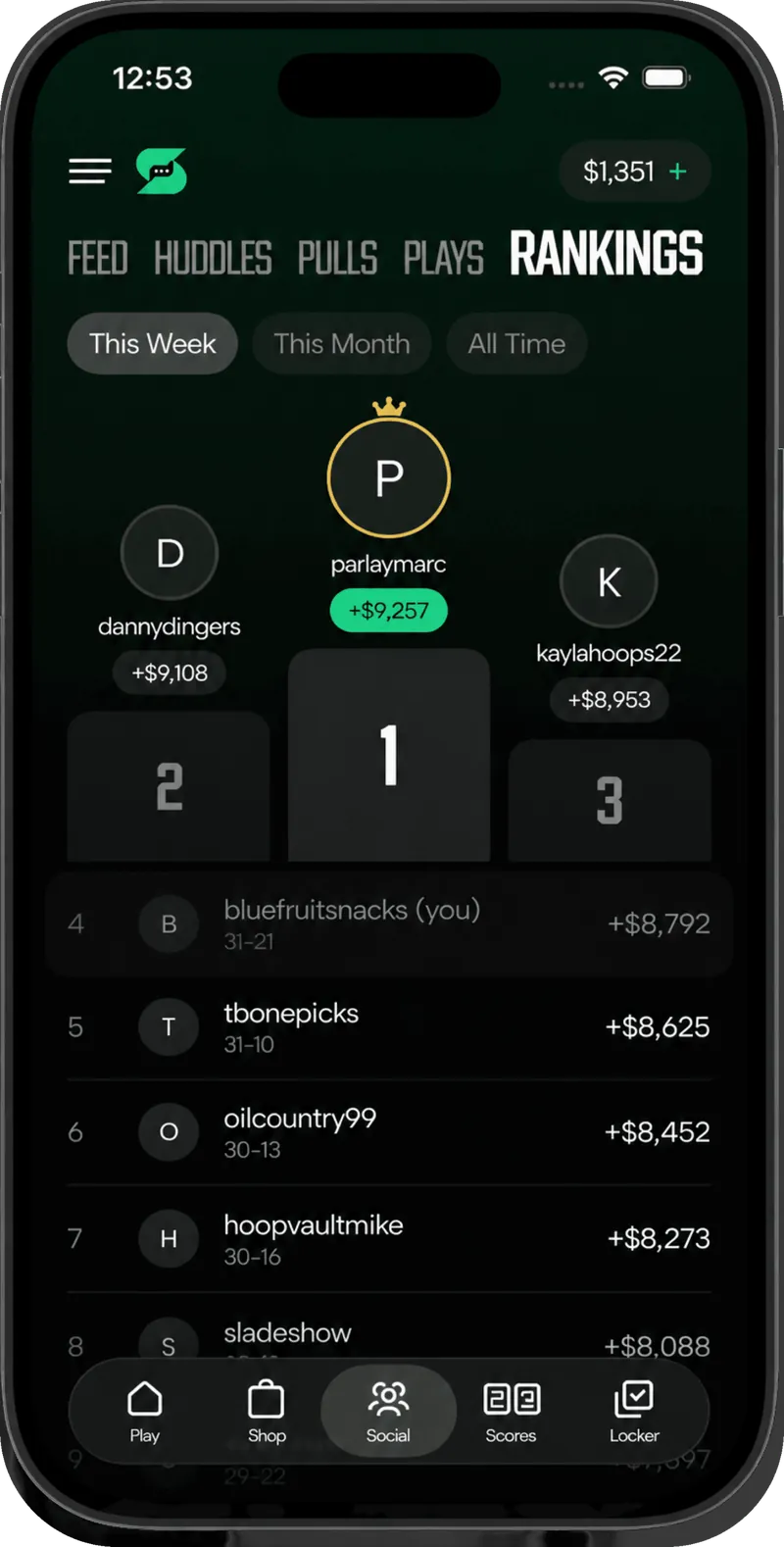
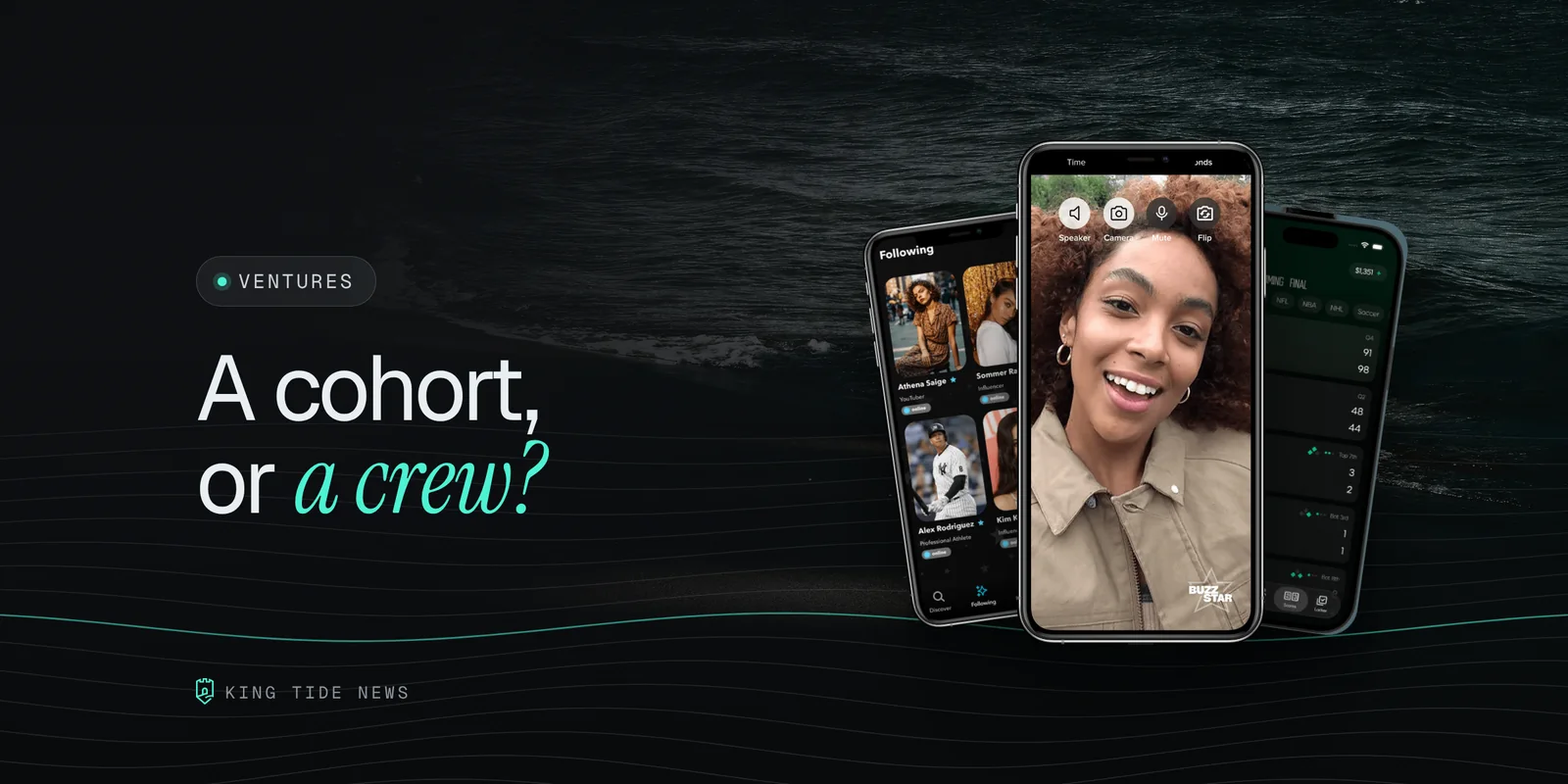
Our own work follows that shape. Smacktok, the social sports gaming platform, was incubated from zero: we wrote the first check, built the brand and the full mobile app, led the fundraise that brought in $2M and invested in the round ourselves, and still run all design and engineering. Raziel started inside King Tide as an idea, and we built the brand, the website, the iOS and Android apps and the AI product, then invested in its Seed round.
 Case study · SmacktokConnect. Compete. Win.See the work
What founders get, and what they give up
A venture studio is a trade. It is worth being clear about both sides.
What you get
- A senior team on day one. Hiring a product lead, a designer and engineers before you have a product can take months. A studio arrives with that crew in place. We wrote about why that matters in what a senior only product team changes.
- Speed to real users. A crew that has launched many products knows where the time goes and what to cut.
- A partner with skin in the game. A studio that owns part of the company has the same reason to want it to work that you do.
- Help with the raise. Studios have run raises before and know what investors want to see: a product people use and a story with numbers.
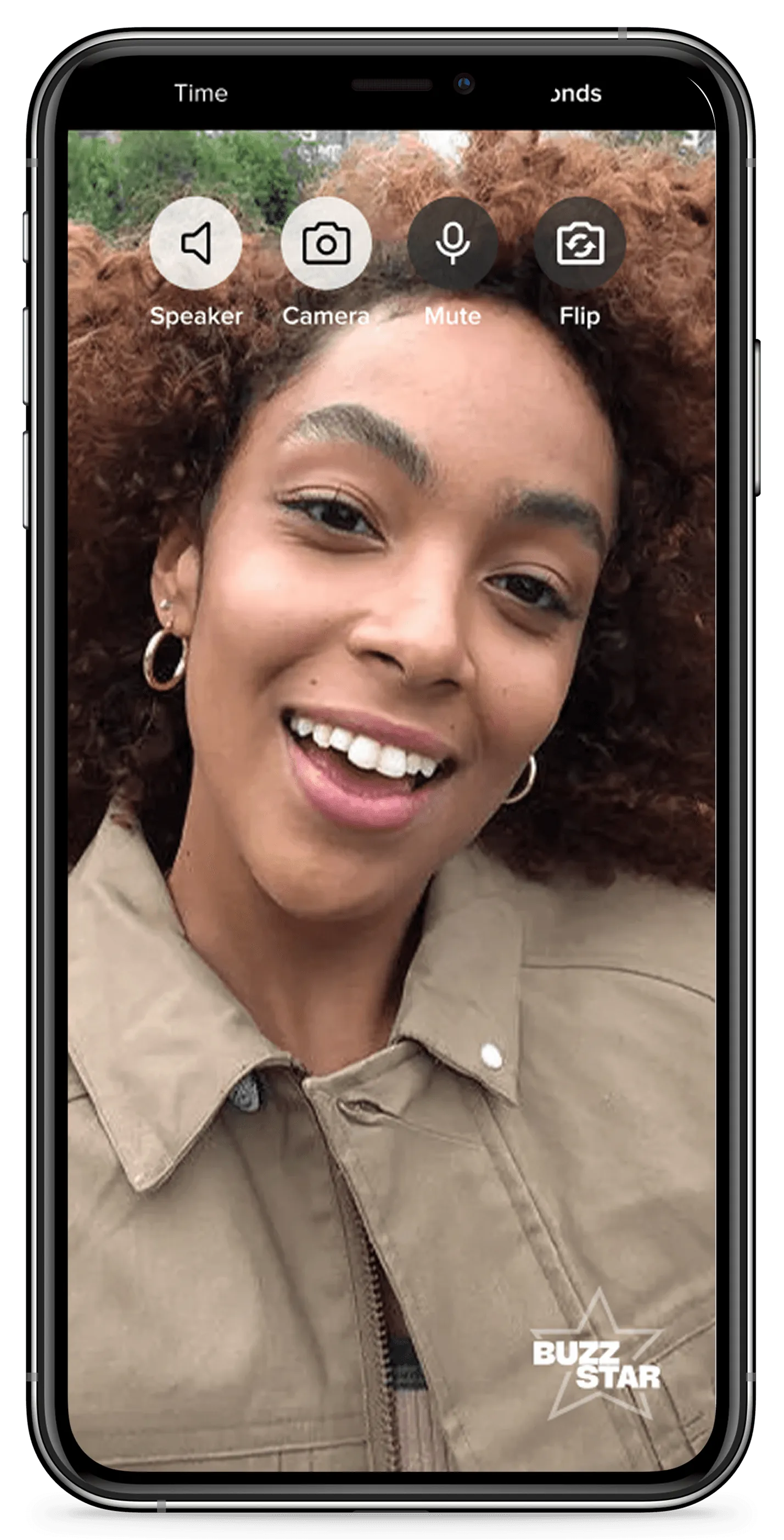
Andrew Bachman, CEO of BuzzStar, which we incubated with creator Austin McBroom, put it this way: "King Tide built BuzzStar from the ground up alongside us. They designed the product, wrote the code, and were in the trenches with us through fundraising. It felt less like hiring a studio and more like gaining a founding team."
What you give up
- Equity. The studio's stake is the main price, and it is permanent. A stake that looks fair for the first six months has to still look fair in five years.
- Some control. A studio that owns part of the company will have opinions, and sometimes rights, on hiring, direction and the next raise.
- Fit risk. If the studio's strengths do not match your product, you are tied to a partner who cannot help much. Check what they have actually built.
Venture studio, agency or accelerator?
These three get mixed up, but they solve different problems.
An agency or product studio builds what you pay for and takes no equity. You keep full ownership and full control, and you carry the cost in cash. It suits founders who have the budget and want to own everything. Our AI MVPs work this way: one focused product live in 30 to 60 days, starting at $4,999 for a focused first version, with a full AI MVP usually around $15K, at a fixed price agreed before we start. Our guide to what an MVP costs explains what moves that number.
An accelerator usually runs a fixed program for a group of companies, with advice, a network and a small investment. It does not build your product for you. We compare the two side by side in startup studio vs accelerator.
A venture studio sits between them. It builds like an agency and invests like a fund, and it is paid mostly in equity.
There is also a middle path. Some studios, King Tide included, sometimes trade discounted design and engineering for equity when the fit is right, so the founder pays part of the bill in cash and part in shares. We cover how that sits next to fixed price and hourly billing in fixed price vs time and materials.
Questions to ask before you work with a venture studio
Every studio pitches itself as a founding partner. These questions show what that means in practice:
- What will you own, and what do I get for it? Ask for the stake in writing next to a clear list of what the studio delivers: brand, product, engineering, capital, help with the raise.
- Who will actually build my product? Ask for names, and meet them before you sign.
- What have you built and launched? Look for companies that are live with real users, not only concepts.
- How many companies are you building right now? A crew split across too many ventures gives each one less attention.
- What happens after launch? Find out when the studio steps back, who owns the code and how the handover to your own hires works.
- Who makes the final call? Agree on how product and company decisions get made before there is a disagreement to settle.
If the answers are vague, or the people in the pitch are not the people on the build, keep looking. A good studio will be as specific about the deal as it is about the product.
The takeaway
A venture studio fits a founder who has a strong idea and the drive to run a company, but not yet the team to build it. You trade equity for a senior crew, speed and a partner who wins only when you do. If you would rather keep every share, a fixed price build gets you a live product without giving up ownership. Either way, start small: one problem, one first customer, one product in real users' hands. If you want to talk through which path fits your company, tell us about your idea.
Questions founders ask
What is a venture studio?
A venture studio is a company that builds startups with its own team, usually from the idea stage. It supplies product, design and engineering people, often puts in early capital, and takes equity in each company it helps start.
How does a venture studio make money?
Mostly through equity. A studio owns part of each company it builds, so it earns when those companies raise, grow or are acquired. Some studios also charge for part of the work, which lowers how much equity they need.
Is a venture studio the same as an accelerator?
No. An accelerator usually runs a fixed program for many companies at once and gives advice, a network and a small check. A venture studio does the actual building with its own people, usually for a few companies at a time.
How much equity does a venture studio take?
It varies a lot, by studio and by how much of the work and money the studio puts in. Read the deal closely: how much the studio owns, what it delivers for that stake and who controls decisions after launch matter more than any headline number.
Does King Tide work as a venture studio?
For some companies, yes. King Tide incubated Smacktok, Raziel and BuzzStar, invests $25K to $100K in early-stage startups and sometimes trades discounted design and engineering for equity when the fit is right.