KIIWI: How We Took a Local Business App From Concept to Launch
Slow hours cost local businesses money, and ads charge before anyone walks in. KIIWI only charges when customers show up. Here is how we got it live.
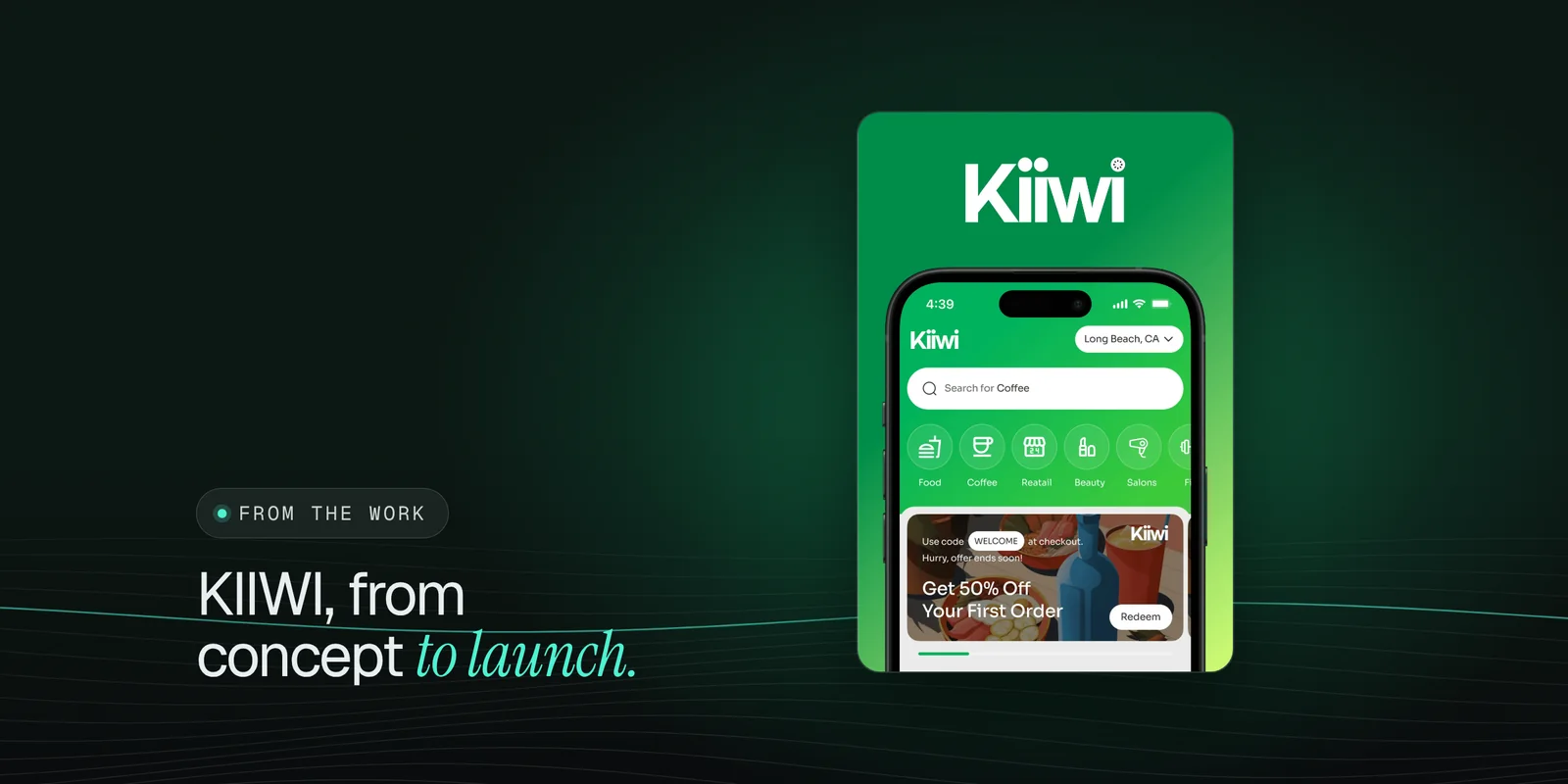
KIIWI started with a problem every local business owner knows: slow hours cost money, and advertising charges you before a single customer walks in. The founders wanted a local business app MVP that flipped that model, putting real-time offers in front of nearby shoppers and charging merchants only when customers actually showed up. King Tide took it from concept to launch.
This is a look at how we approached the build, and what it can teach other founders scoping a two-sided product with our AI MVP team. The full case study lives at KIIWI.
The problem: ads charge before anyone walks in
For a coffee shop, salon or restaurant, an empty Tuesday afternoon is pure loss. Traditional ads ask for money up front with no guarantee anyone comes. KIIWI's promise was simple and powerful: $0 upfront spend for merchants, and payment only when a customer redeems an offer in person.
That promise shaped every product decision. If merchants did not pay until results, the app had to make posting an offer nearly effortless, and it had to make redemption provable.
Two products in one: merchants and shoppers
Like any marketplace, KIIWI is really two apps. Merchants need to create offers in seconds, ideally in the moment they notice a slow hour. Shoppers need to discover something worth walking to, right now, nearby.
Two-sided products are where MVP budgets go to die, because every feature tends to get built twice. Our approach was to scope each side down to its single most important action:
- Merchant: post a real-time offer.
- Shopper: find a nearby offer and redeem it.
Everything else, from deep analytics to complex merchant tools, waited until real usage told us it mattered. We explain this scoping logic in more depth in what MVP development costs in 2026.
Designing for a coffee shop owner with no time
The merchant experience had to work for someone behind a counter with a line of customers. That meant big targets, very few fields and smart defaults. A merchant should be able to go from "it is dead in here" to a live offer before the next customer reaches the register.
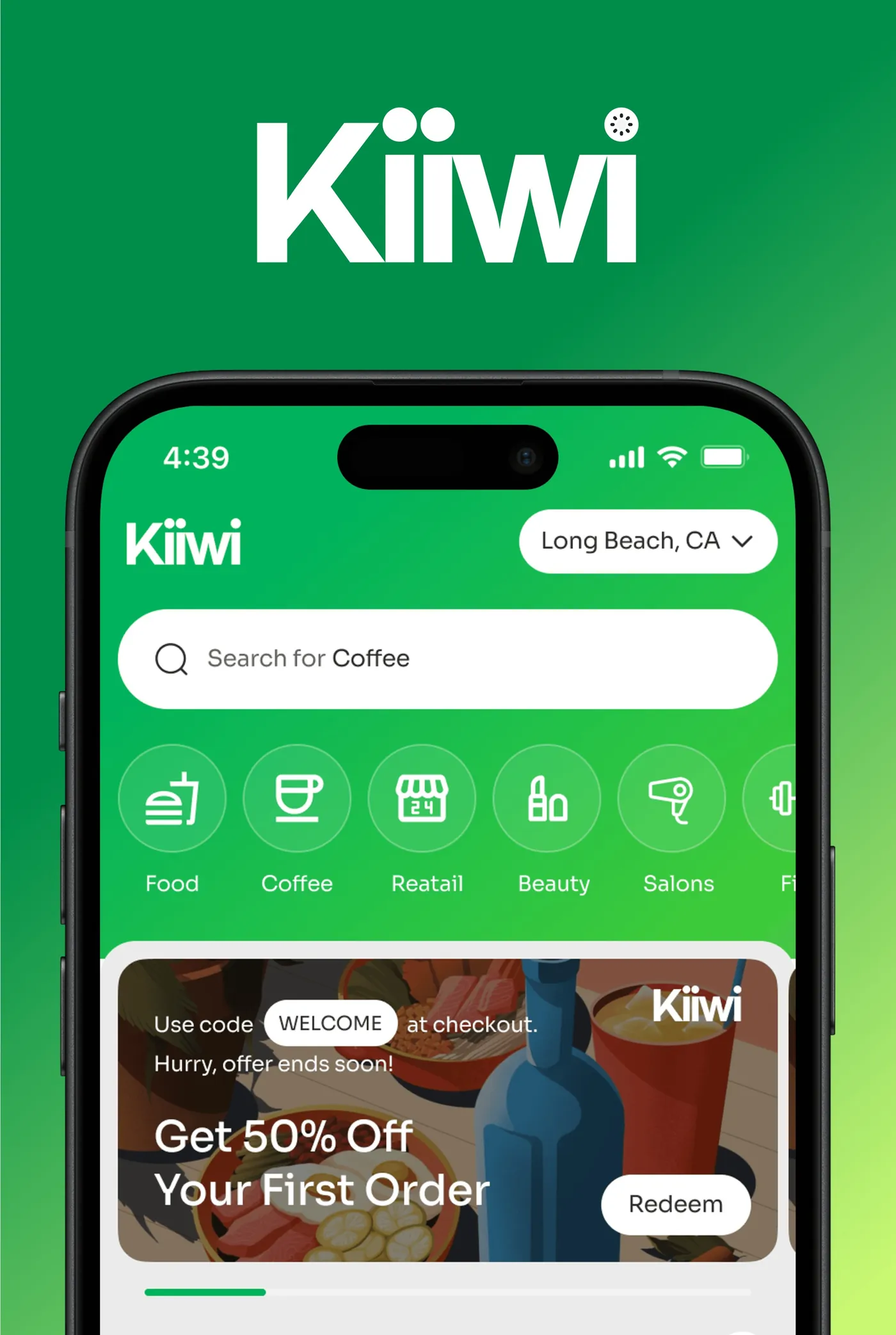
The shopper side leaned on clarity: what is the offer, how far is it, and how long is it live. Search by category, like food, coffee, retail, beauty and salons, made browsing feel familiar.
Location permissions for a local business app MVP in 2026
Distance and timing are the product, so location is the most sensitive permission a local app asks for, and the rules got stricter this year. Plan for them in the first design sprint, not the week before submission.
- Ask in context. Apple's guidance is to request location authorization only when someone engages a part of the app that needs it, and to prefer "When in Use" over "Always". On a shopper app, that means the first offer search, not the splash screen.
- Use the lightest access that works. Google Play now asks every app to request the minimum location scope it needs. Apps targeting Android 17 or later must use the Android location button for one-time precise lookups such as searching nearby, and apps that keep precise location need a Play Console declaration explaining why. Google says compliance becomes mandatory on January 27, 2027.
- Design a useful fallback. Approximate location is enough to show offers in a neighborhood. Precise location can wait for the moment someone wants walking directions or checks in to redeem.
Getting this right early keeps the shopper side trusted and keeps review delays out of your launch plan.
Launching in one market, then raising
KIIWI launched in Long Beach, California. A single launch market is one of the most underrated MVP decisions. It concentrates merchants and shoppers in the same place, so each side sees enough activity to stay engaged, and it lets the team learn quickly from real behavior instead of spreading thin across a region.
 Case study · KIIWIDiscover local. Support local. Grow local.See the work
Our work did not stop at code. We helped the founders prepare for their raise, and a live product in real users' hands is worth more in a pitch than any number of mockups. Dave Garden, KIIWI's CEO, put it this way: "From concept to launch, King Tide handled everything: product design, engineering, even helping us prep for our raise." That is the case for a senior only product team: one crew from the first sketch to launch, with no handoff in between.
Lessons for anyone building a local commerce app
Local commerce looks simple from the outside and is hard in practice, because two kinds of busy people have to show up at the same time. A few principles we apply to any local or marketplace product:
- Start with supply. Shoppers will not open an app with nothing nearby. Lining up merchants before launch, and serving them personally at first, gives the shopper side something to find on day one.
- Make value visible fast. A merchant who posts an offer should see interest quickly. A shopper should see something worth walking to within seconds of opening the app.
- Meet people outside the app. Offers are time-sensitive, so the shortcut matters. Now that Apple has opened Siri to every app, it is worth planning how a shopper could ask Siri for nearby offers once the core flow works.
- Measure the real outcome. For a pay-for-results model, the metric that matters is not downloads or views. It is customers walking through the door.
- Keep the merchant tools tiny. Every extra setting is a reason a busy owner will not post today.
- Let the business model shape the product. "Pay only for results" demanded effortless posting and provable redemption. The model told us what to build first.
- Think about the raise early. The product is the best pitch you have.
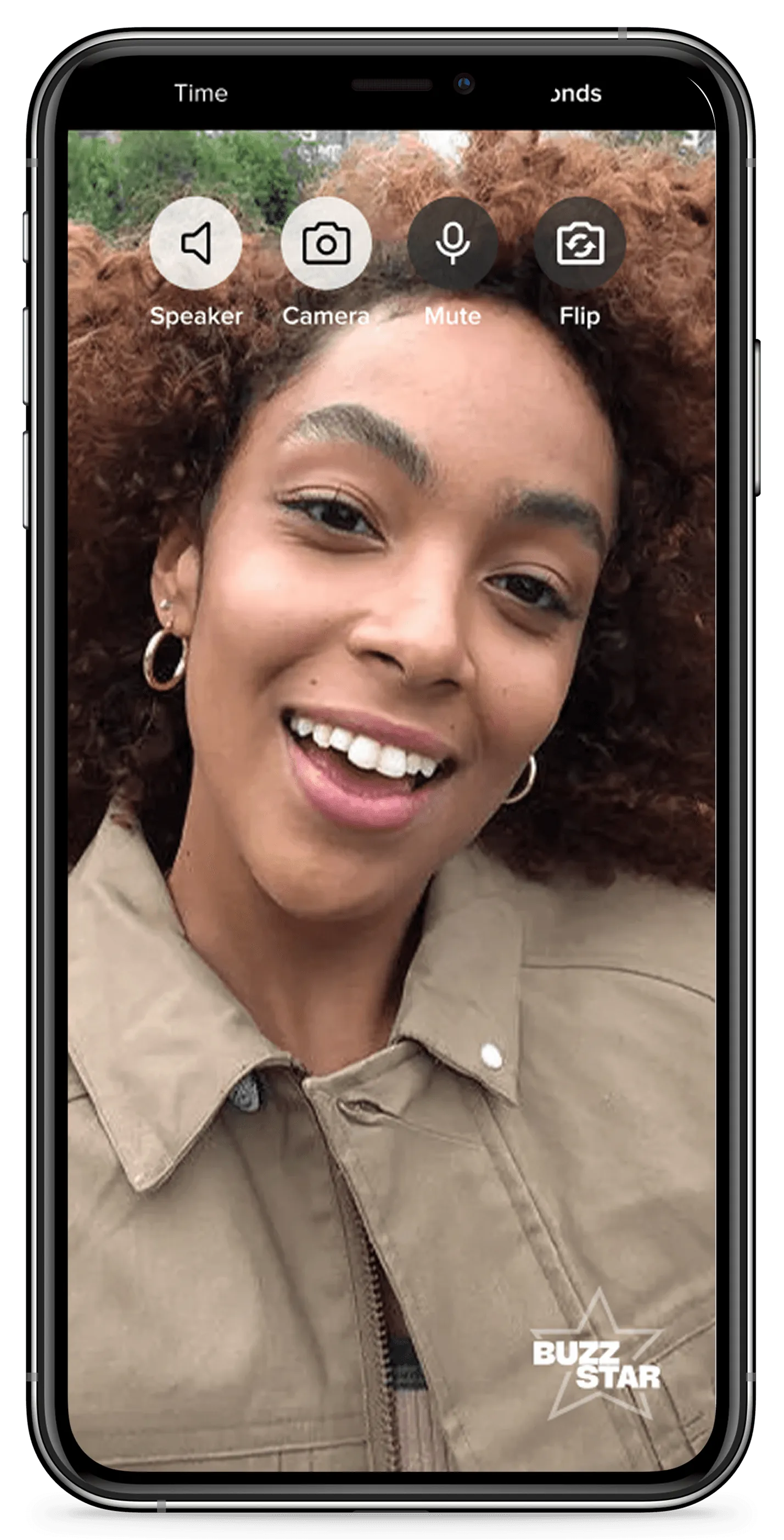
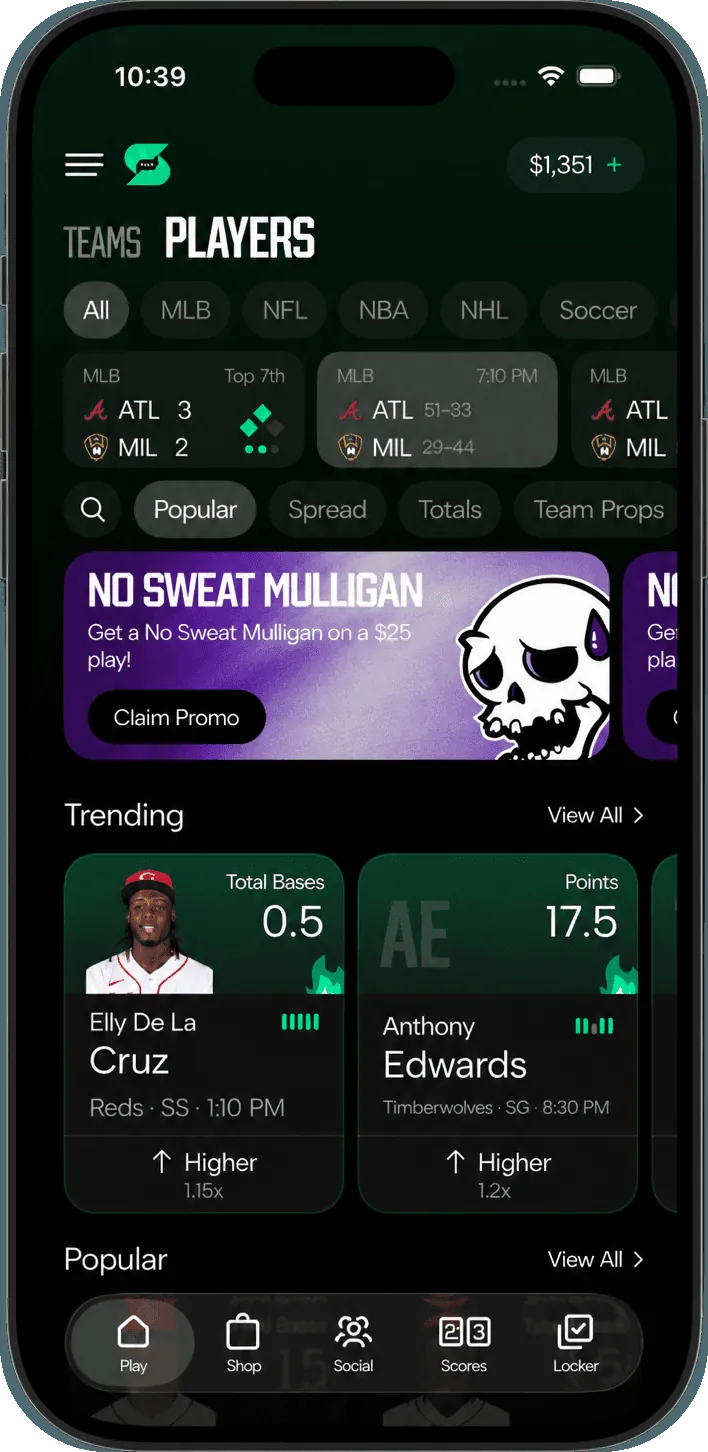
KIIWI is one of several products we have built from zero, alongside BuzzStar, a paid video call platform for creators, and Smacktok, the social sports app we incubated. If you want the step-by-step version of our approach, read how to build an AI MVP in 30 to 60 days.
The takeaway
Great MVPs start with a sharp promise and cut everything that does not serve it. If you have a marketplace or local commerce idea, we would love to hear it. Book a scope call and leave with a plan, a price and a date. If you want to know what to bring, read what happens on a King Tide scope call.
Questions founders ask
How much does it cost to build a local business app MVP?
At King Tide a focused first version starts at $4,999 and a full AI MVP is usually around $15K, at a fixed price. Two-sided apps like KIIWI cost more than single-sided ones, so scope each side to one action.
What features does a local deals app need at launch?
Merchants need to post an offer in seconds, and shoppers need to find a nearby offer and redeem it. Analytics, loyalty programs and advanced merchant tools can wait until real usage shows they matter.
How do you get merchants onto a new local app?
Start with supply in one launch market. Line up merchants before launch and serve them personally at first, so shoppers find something nearby on day one.
Does a local offers app need precise location all the time?
Usually not. Apple recommends asking for location only when someone uses a feature that needs it, and Google Play requires apps targeting Android 17 or later to use the location button for one-time precise lookups like searching nearby.
What did King Tide build for KIIWI?
King Tide handled product design and engineering from concept to launch in Long Beach, California, and helped the founders prepare for their raise.