What Happens on a King Tide Scope Call (and How to Prepare)
Thirty minutes is enough to turn a big idea into one product, one price and one date. Here is exactly what we cover and how to get the most out of it.

Good MVP scoping takes less time than most founders think. In a 30-minute scope call, we turn a big idea into one product, one price and one date. That single conversation decides more about your build than any week that follows it, because the cheapest feature is the one you decide not to build.
Here is what happens on a King Tide scope call, what you leave with, and how to prepare. It is the first step of every AI MVP and most design team engagements we run.
Why scoping matters more than speed
Most first products do not fail because the code was slow. They fail because the scope was wrong: too broad to finish, too vague to test or built for an imagined user instead of a real one. A tight scope is what makes a 30 to 60 day timeline possible, and it is what lets us offer a fixed price instead of an open-ended estimate.
The five questions we ask
1. Who is the very first user?
We push for a person, not a market. "Busy RCM teams at outpatient practices" is better than "healthcare". "A merchant with a slow afternoon" is better than "small businesses". The narrower the first user, the sharper the product.
2. What is the one job they hire your product for?
If the answer contains "and", it is probably two products. We pick the job that, if it worked, would prove the business.
3. What do they do today instead?
Spreadsheets, a competitor, a group chat, nothing at all. The current workaround tells us what "better" has to mean and what we can safely leave out.
4. What has to be true for this to work?
Usually one behavior: merchants post offers, fans book calls, teams upload claims. That behavior becomes the thing the MVP is designed to make happen.
5. What are your constraints?
Timeline, budget, a raise, a launch event, compliance needs, platforms. Constraints are not obstacles, they are scope tools.
What you leave with
By the end of the call, you should have:
- The one product. A sentence describing the first user and the job.
- A cut list. What waits until after launch, written down, so it stops haunting the roadmap.
- A shape for the build. Web or mobile, which integrations, where AI fits into the core workflow.
- Next steps. Within a week, a fixed scope, a price and a date, or a monthly plan if ongoing design fits better.
Our AI MVPs start at $15K for a fixed scope. Monthly design plans start at $3K a month. Brand identity projects are $3,500.
How to prepare in 15 minutes
You do not need a deck. Bring:
- Your first user, described as a real person.
- The problem, in one or two sentences.
- Anything visual. Sketches, a vibe coded prototype, screenshots of products you like. If you have a prototype, read vibe coding vs a real MVP first.
- Your timeline, and why it matters (a raise, a launch, a season).
- A budget range. It helps us shape the scope to fit, rather than the other way around. Our guide to MVP development cost explains what moves the number.
What happens after you say yes
Week one is a design sprint, reviewed with you every day. Then comes AI-accelerated engineering with a build you can click daily, and a launch with real users inside 60 days. We walk through the full sequence in how to build an AI MVP in 30 to 60 days.
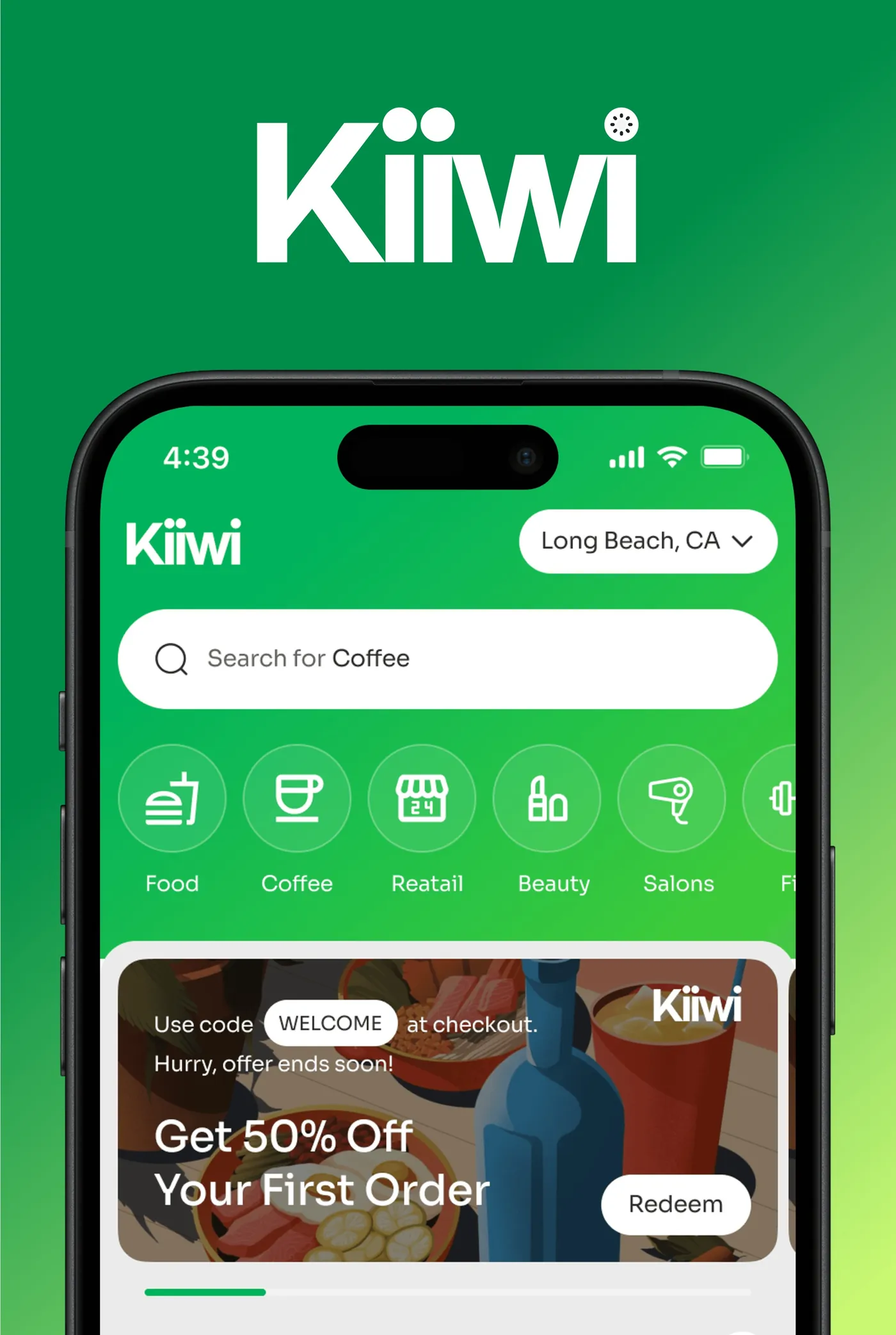
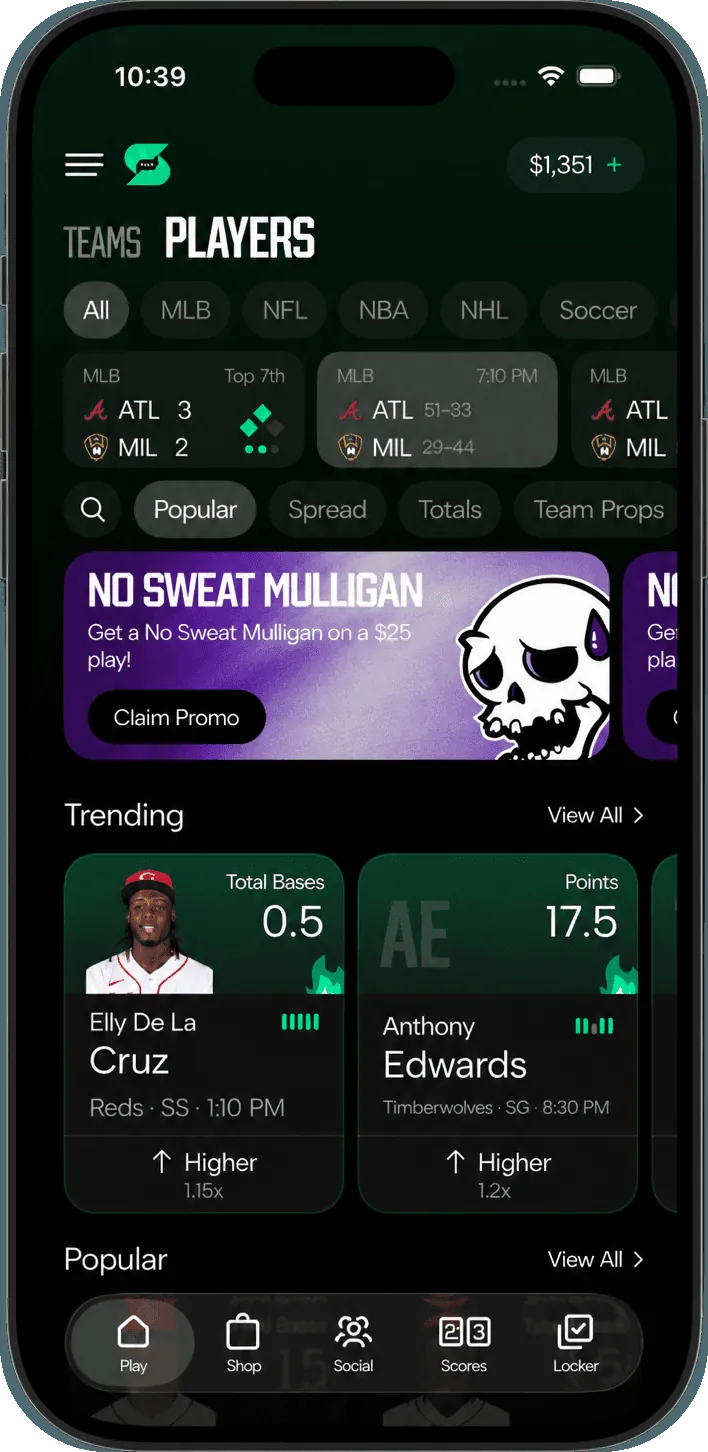
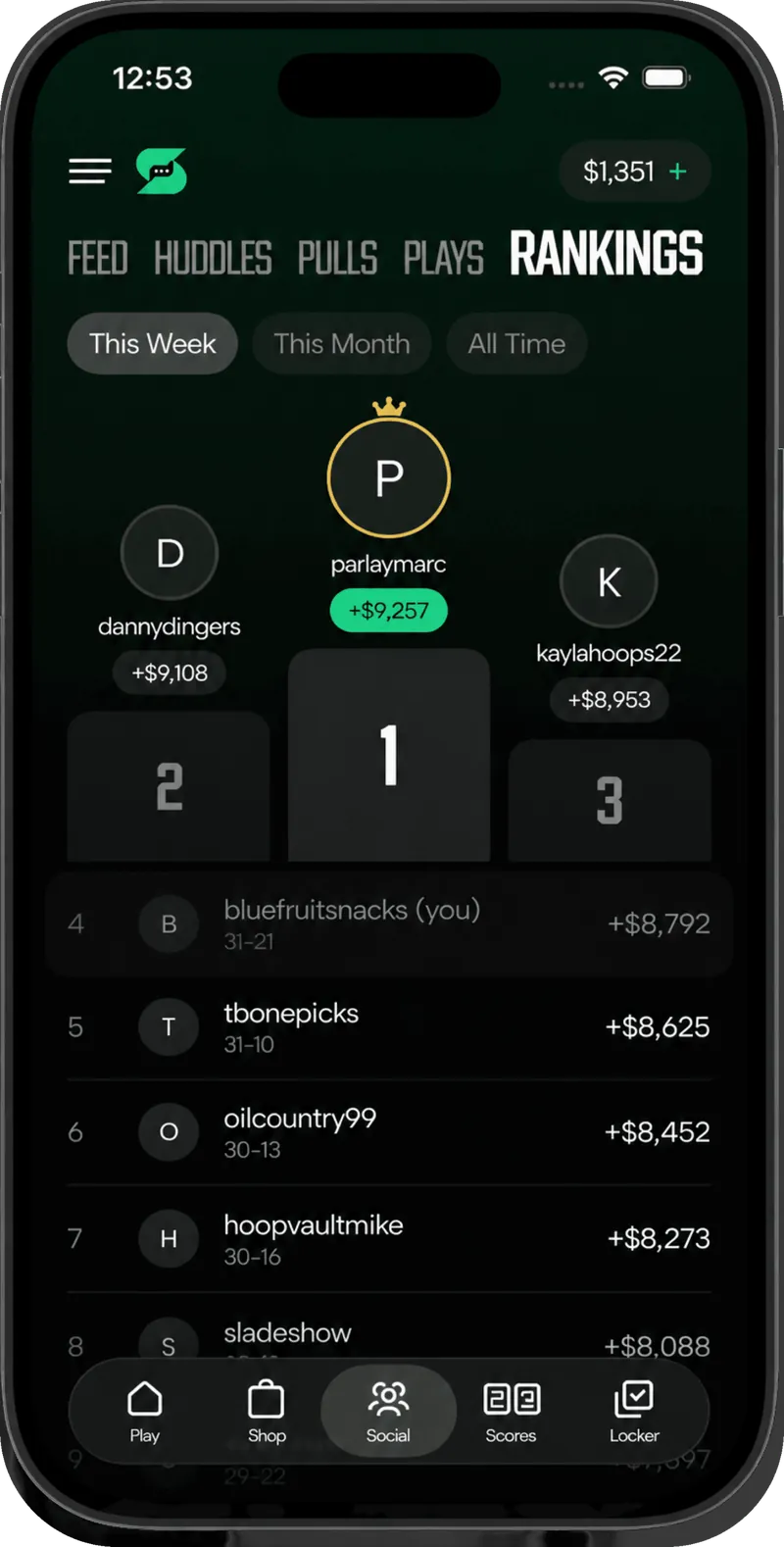
Some of the products that started this way include KIIWI, which we took from concept to launch, and Smacktok, which we incubated from zero. For Findigs, the same scoping mindset carried from the early days through Series B.
 Case study · SmacktokConnect. Compete. Win.See the work
Red flags we look for in a scope
Some patterns tell us a first build is at risk before a single screen is designed. We raise them on the call:
- "It is like Uber, Airbnb and Slack combined." Three products means none of them gets finished.
- Every user type at launch. Admins, managers, customers and partners all needing their own app on day one.
- No clear first user. If we cannot picture the person opening the app tomorrow, the design will drift.
- A feature list instead of a problem. Features are answers. We want to understand the question first.
- AI as decoration. A chatbot added because investors expect AI, rather than AI that removes a step from the core job.
- A launch date with no reason. Deadlines work best when they are tied to something real, like a raise or an event.
None of these are deal breakers. They are the conversations that turn a risky scope into a buildable one.
When we will tell you we are not the right fit
Sometimes the best outcome of a scope call is a no. If you need a large enterprise system, a research project with no product yet, or work that does not match what we do best, we will say so and often point you to someone better. Thirty minutes is cheap. Months on the wrong build are not.
The takeaway
Show up with a real first user and a real problem, and you will leave with a plan, a price and a date. Book your scope call. A senior person replies within one business day.
Questions founders ask
How long is a King Tide scope call?
Thirty minutes. Most founders leave with a clear first product, a fixed price and a target launch date, or a follow-up plan within a week.
What should I bring to an MVP scoping call?
Bring who your first user is, the one problem you solve for them, any sketches, prototypes or competitor examples, your timeline and a rough budget range.
Do I have to commit to anything on the scope call?
No. The call is a conversation, not a contract. If we are not the right fit, we will tell you and often point you somewhere better.
What happens after the scope call?
Within a week you get a fixed scope, a price and a date, or a monthly plan if that fits better. If you go ahead, we kick off with a design sprint.