Claude Ship and AI Code Review: What Startups Should Set Up First
Anthropic now lets an AI agent approve routine code changes under rules your team writes. For a small team racing to launch, that can remove a bottleneck or hide a problem. Here is how to tell which.
AI code review for startups stopped being a nice extra this week. On November 23, Anthropic announced Claude Ship, a set of agents that review pull requests, fix what breaks and, under a policy your team writes, approve routine changes without a person clicking the button. For a small team shipping every day, that removes a real bottleneck. It also moves a decision that used to belong to a human into a file in your repo, so the first thing to set up is not the tool. It is the policy.
This piece covers what Anthropic launched, what it changes for a founder with a two or three person team, where an AI approval should never be the last word, and the policy we would write first. It comes from how we run every AI MVP we build: AI-accelerated engineering, with senior people deciding what ships.
What Anthropic launched
Claude Ship has three parts, according to Anthropic's announcement:
- Code Review, already generally available, reads each pull request and flags problems. Admins choose the review depth (Quick, Standard or Deep), when reviews run and a spend limit.
- PR Steward, in beta, works on the pull request itself: failing checks, merge conflicts and the feedback Code Review left. After each push it comments on what it changed and how to roll it back.
- Claude Approvals, in beta, applies an approval policy written as a file in the repository. Anthropic describes it as working "like a smarter CODEOWNERS file": it can approve routine changes on its own or require a person for the cases you name.
It is available on Claude Team and Enterprise plans for repositories on GitHub. Anthropic recommends running approvals in observe-only mode first, before branch protection requires the agent's green light. The setup is documented in the Claude Ship docs.
The reason this exists is simple. Coding agents now write a lot of code, and review became the slow step. We covered the writing side when GitHub turned Copilot into a home for coding agents, in what AI coding agents mean for startups. Claude Ship is the other half: what happens after the pull request opens.
What AI code review for startups actually changes
At a big company, review is a queue of people. At a startup, review is usually one tired founder or the only senior engineer, reading changes at night. That is where an AI reviewer helps most.
- Faster feedback on every change. A first pass arrives in minutes, not the next morning. Small teams ship more often when nothing waits overnight.
- Fewer trivial round trips. A failing test, a merge conflict or a missing null check gets fixed before a person even looks.
- A second reader when there is no second engineer. Solo builders and two person teams finally get a review on every change, which they rarely had before.
- A written record of judgment. When the approval rules live in a file, a new hire can read what the team considers routine and what it does not. That helps when you hand off an MVP to an in-house team.
What it does not change is the hard part. An AI reviewer checks whether the code does what the pull request says. It does not decide whether the product should do that at all.
Where an AI approval should never be the last word
Speed matters before launch, but some mistakes are expensive or impossible to undo. In any product we build, these always get a person's review, whatever the agent thinks:
- Authentication, permissions and account access. One wrong condition can expose another user's data.
- Payments, payouts and anything that moves money. Bugs here cost real dollars and trust.
- Personal or regulated data. Health, finance and identity data carry legal obligations an agent cannot weigh for you.
- Database migrations. A bad migration can lose data that no rollback brings back.
- AI behavior in the product. Changes to prompts, model choices or settings change what users see, and need someone checking the output, not just the diff.
- Infrastructure and secrets. Deploy settings, keys and access rules.
This is the same line we draw for prototypes in vibe coding vs a real MVP: AI is excellent at producing and checking code fast, and production is where someone has to own the consequences. When we built Raziel, an alternative asset platform where investors upload cap tables and fund documents, security was designed into the product from day one. That kind of product is exactly where a human stays in the approval path.
 Case study · RazielEvery alternative investment, in one place.See the work
The approval policy to write first
If you try Claude Ship or any tool like it, write the policy before you turn anything on. Keep it short enough that everyone on the team reads it.
- Define routine. List what an agent may approve on its own: copy and content edits, dependency updates that pass every check, new tests, documentation, small styling fixes.
- Define always human. Use the list above as a start and add whatever is specific to your product.
- Require green checks. No approval, human or AI, without passing tests and a working build.
- Start in observe-only mode. Let the agent say what it would have approved for two to four weeks, and compare it with what your team actually approved.
- Start with one repo and a spend limit. Anthropic suggests both. Your marketing site is a safer first repo than your payments service.
- Keep rollback cheap. Small pull requests, clear notes on how to undo each one and a deploy you can revert in minutes.
- Review the policy monthly. Move things into routine only after the agent has earned it.
The policy is also a product document. Writing down what is routine forces the team to agree on what is risky, which most early teams have never said out loud.
How we would use it on a 30 to 60 day build
On a fixed timeline, the bottleneck is rarely typing. It is deciding. Our builds start with a scope call on day zero, a design sprint in the first week and an AI-accelerated build with progress you can see every day, which is how an MVP goes from first call to live in 30 to 60 days.
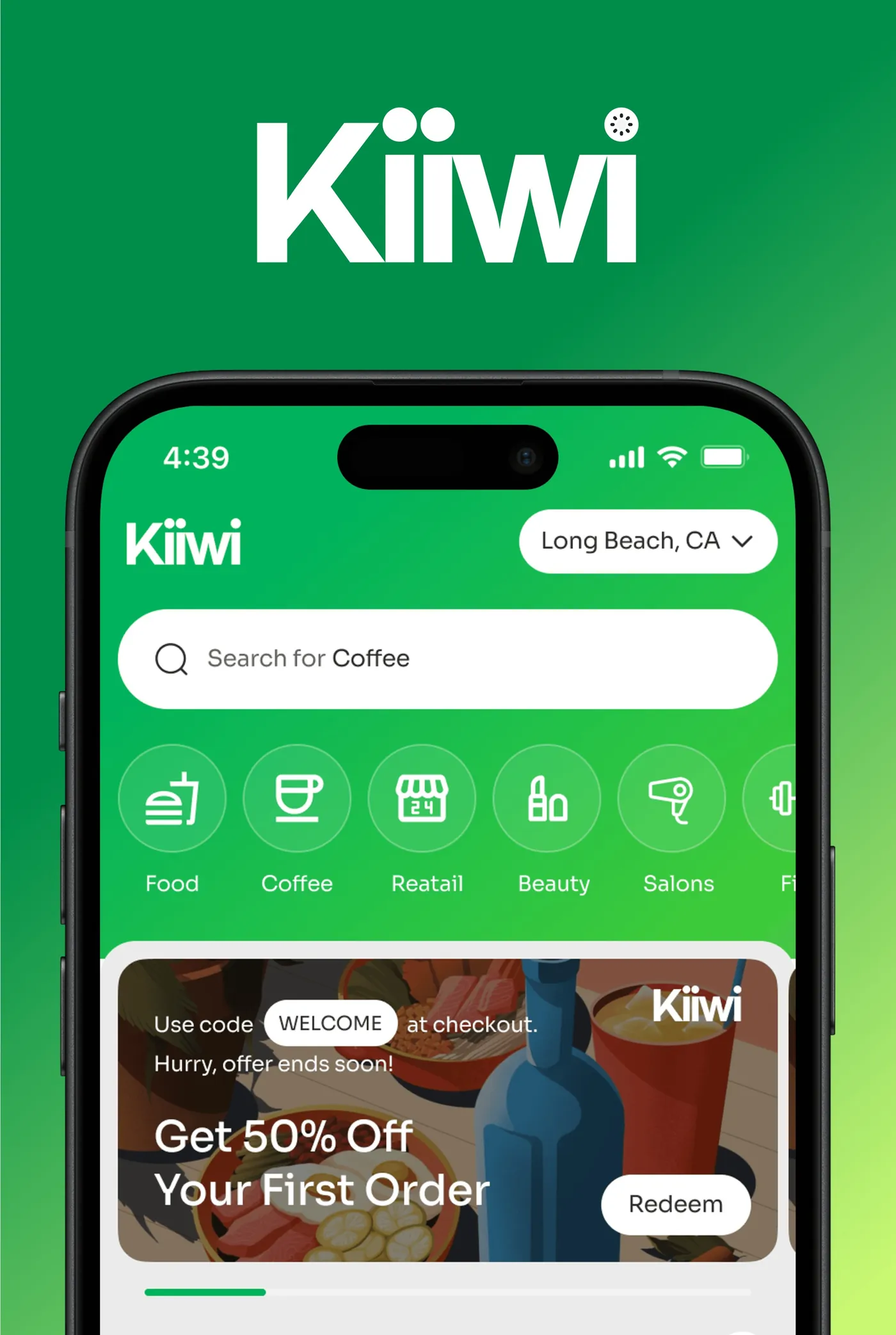
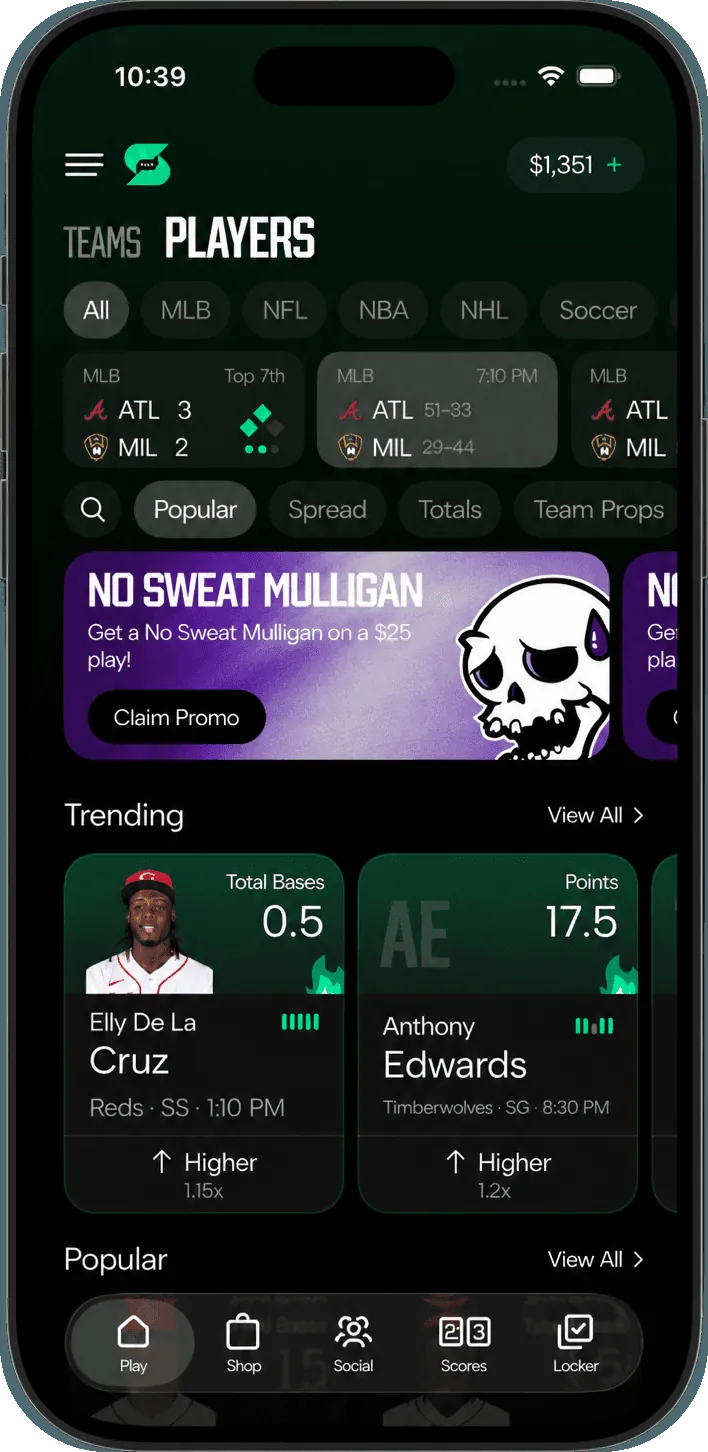
In that rhythm, an AI reviewer fits as the first reader of every change and a fixer of the small stuff, so senior engineers spend their review time on the flows that decide whether the product works: sign up, the core action, payments and the AI feature itself. Approvals without a person stay limited to the routine list, and only after the observe-only period. Products like KIIWI, which King Tide took from concept to launch, and Smacktok, where we still run all design and engineering, are the kind of builds where that split matters: lots of small changes, and a few that touch money, rewards and real users.
None of this changes who owns the result. You own production-grade code from day one, and the decisions about what ships stay with people who can explain them.
The takeaway
Claude Ship makes it practical for a tiny team to get a review on every change and stop waiting on the routine ones. Use it for that. Before any agent approves anything, write down what counts as routine and what always goes to a person, run it in observe-only mode, and start with one low risk repo. The teams that get the most out of AI code review will be the ones that decided what good looks like first. If you are planning an AI product and want a crew that ships fast without guessing on the risky parts, tell us about it.
Questions founders ask
What is Claude Ship?
Claude Ship is a set of AI agents from Anthropic, announced on November 23, 2026, that review pull requests, fix issues like failing checks and merge conflicts, and approve routine changes when a policy the team writes allows it. It runs on GitHub repositories for Claude Team and Enterprise plans, with Code Review generally available and PR Steward and Claude Approvals in beta.
Is AI code review good enough for a startup?
As a first pass, often yes: it catches obvious bugs, missing tests and risky patterns quickly, which matters when a small team ships every day. It does not replace a person deciding what the product should do, and changes that touch payments, authentication, user data or AI behavior should still get a human review.
Should I let an AI agent approve code changes?
Only for changes your team has defined as routine, such as copy edits, dependency bumps or tests, and only after watching the agent's decisions in observe-only mode for a few weeks. Write the policy as a file in the repo so everyone can see what an agent may approve and what always goes to a person.
Does AI code review make an MVP cheaper?
It can shorten the time between writing a change and shipping it, but most of an MVP's cost is still decided by scope. At King Tide, a focused first version starts at $4,999 and a full AI MVP is usually around $15K, at a fixed price agreed before the build starts.