Apple's 18+ Rule for AI Companion Apps: What Founders Should Change
Starting November 16, App Store age ratings have to reflect romantic AI features, even when the companion is one feature among many. Here is how to tell if your product is in scope and what to change before you submit again.

The AI companion app age rating just changed, and if your product has a chatbot with a personality, it is worth an hour this week. According to TechCrunch's report on an Apple developer announcement from November 2, apps with dating or romantic relationship features now have to carry an 18+ rating, and that reaches AI companions that engage in sexual or romantic content, even when the companion is only one feature among many. Starting November 16, developers have to answer new content descriptors so the rating matches what the app actually does.
This piece covers what changed, how to tell whether your product is in scope, and what to fix in the product before your next submission. It is the kind of platform check we fold into every AI MVP we build, where the App Store rules are part of the scope, not a surprise in review.
What Apple changed for AI companion and dating apps
The facts, as reported by TechCrunch from Apple's developer announcement:
- Dating is 18+. All apps offering dating or romantic relationship features must carry an 18+ rating.
- AI companions are in scope. The change covers AI companion apps that engage in sexual or romantic content, including apps where that functionality is one of many features. TechCrunch names apps offering companions such as friends, lovers, boyfriends and girlfriends.
- New content descriptors from November 16. Developers have to include the new descriptors so the age rating reflects the app's features.
- Location sharing gets its own question. Apps also have to say whether they share a user's real-world location with another person or group.
- Brazil has its own path. Family location sharing apps can request an official rating from Brazil's Ministry of Justice and Public Security instead of listing the A16 rating, as local law requires.
TechCrunch frames the move as part of Apple's wider age assurance work and its parental controls. For founders, the practical point is simpler: the rating questionnaire is now asking about the exact features that many AI consumer apps added in the last year.
Is your app in scope?
Most founders reading this are not building a romance app. The risk is the product that drifted into one. Ask three questions.
Does a persona have a relationship with the user?
A named character that remembers the user, checks in on them and talks about feelings is a companion, whatever the App Store category says. If that character can flirt, the 18+ question is on the table.
What does the model do when a user pushes?
Your system prompt says "be a helpful study buddy." Your users will still try to turn it into a girlfriend. What matters is what the model actually does on day 30, with a determined user, not what the pitch deck says. If it plays along, your app has romantic content, and the rating has to say so.
Is it one of many features?
This is the part that catches general apps. A fitness app with a friendly AI coach, a language app with a chat partner, a social app with AI characters: if any of those can slide into romance, the "one of many features" language means the whole app's rating can move. TechCrunch's report is clear that the companion does not have to be the main product.
AI companion app age rating: what to change in the product
A rating is a label. The product decisions behind it are where the work is. These steps come from how we design AI products, not from anything Apple has published as a checklist, so treat them as a review list.
- Decide which app you are building. Either the product is for adults and the companion can be warm, or it is for a general audience and romance is off the table. Trying to be both usually means an 18+ rating on an app whose growth plan assumed teenagers.
- Write the persona boundary down. Put the line in your product spec, not only in a prompt: what the character will and will not talk about, and how it declines. A good refusal stays in character and moves the conversation somewhere useful.
- Test it like a user would. Before every release, run a short set of conversations that push toward romance and sexual content, and keep the transcripts. When a model or prompt changes, rerun them. Model updates change behavior, and your rating has to stay true.
- Moderate both directions. Filter what users send and what the model replies. Most teams only check the output, then find out the input was the problem.
- Look at memory and images. Long-term memory makes a companion feel closer, and image generation can carry content past a text filter. Both belong in the boundary review.
- Review location sharing. If users can share where they are with a person or a group, you now have a descriptor to answer for that too, whether or not you have a companion.
We wrote more about the interface side of this in our guide to designing AI products people trust: visible limits, honest refusals and a clear sense of what the AI is for.
Age signals and onboarding
An 18+ rating is the floor, not the whole answer. Apple has been building age assurance into the platform, including the Declared Age Range API, which lets an app ask for an age range that a parent or the user has chosen to share. If your product has adult features, design onboarding so that an adult experience is something a user opts into, with a clear explanation, not the default state of every new account.
For apps that serve both adults and younger users, the cleaner pattern is often two experiences: a general audience product, and adult features that only appear after an age signal and an explicit choice. It costs more to design up front. It costs far less than a rejected build the week you planned to launch.
If you are still scoping your first version
If you have not launched yet, this is the cheap moment to decide. Whether your AI has a personality, and how far that personality goes, shapes your audience, your rating, your marketing and your moderation budget. It is the kind of question we settle on a King Tide scope call, before anyone writes a prompt.
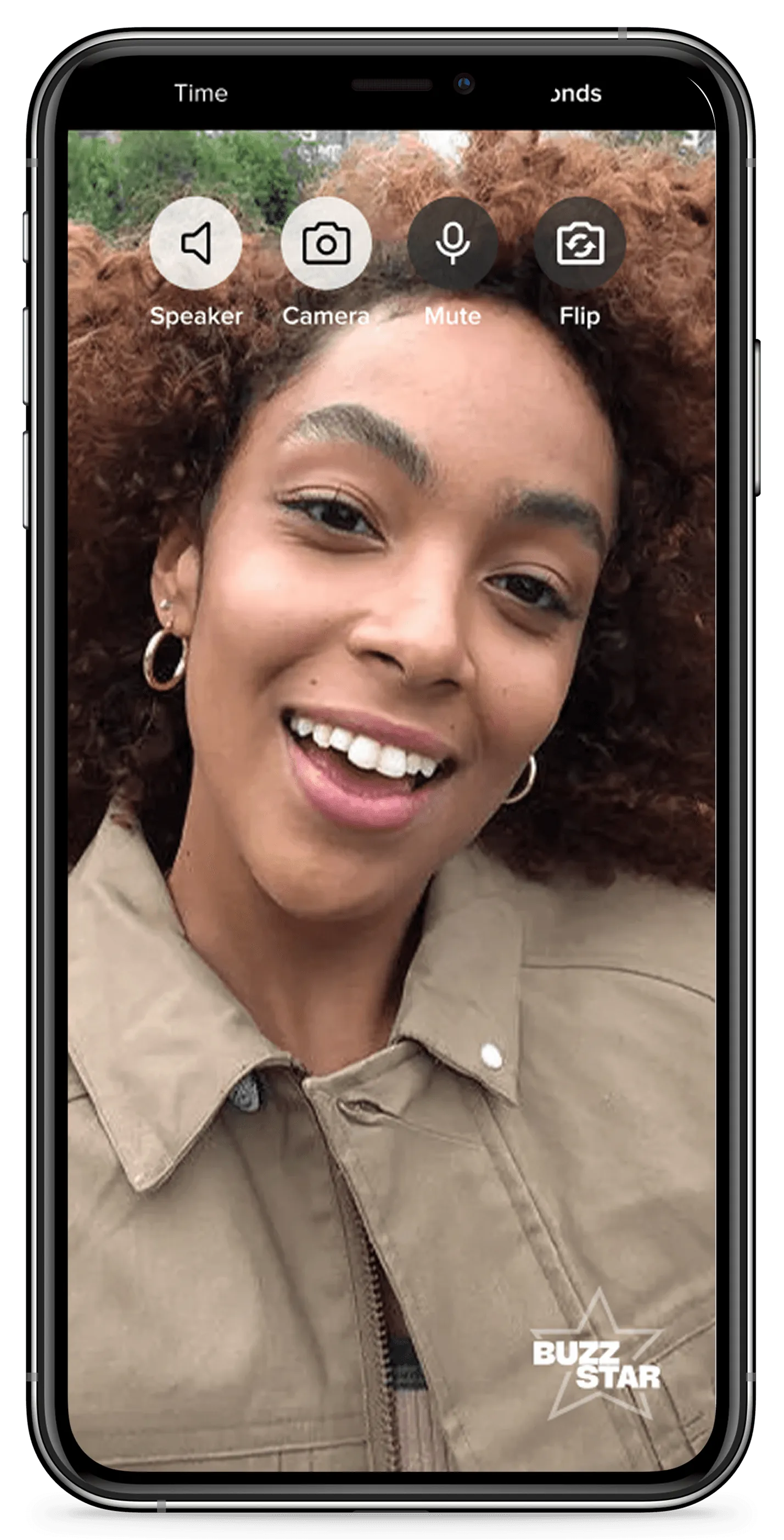
Products built around one to one connection make the point. BuzzStar, which we incubated with Austin McBroom, gives fans paid live video calls with real creators. The connection is the product, from scheduling to the call itself, and we designed and built it end to end. On the AI side, Inhouse, where we work as the design team, shows an assistant with a narrow, serious job: drafting legal documents, backed by real attorneys.
If you are budgeting a first version with AI chat, moderation and App Store review in scope, our guide to how long it takes to build an MVP walks through what adds time, including regulated content and extra review.
 Case study · InhouseThe first AI for real legal work.See the work
A checklist for before November 16
- List every place in your app where an AI talks to users as a character.
- Run a set of test conversations that push toward romance, and save what the model does.
- Decide, in writing, whether the product is 18+ or general audience, and make the persona match.
- Review location sharing between users.
- Update your age rating answers in App Store Connect with the new descriptors.
- Check your store page, screenshots and ads, so they promise the product your rating describes.
If you also sell subscriptions on iOS, Apple has been busy there too: our notes on App Store multiseat subscriptions cover the setting that went live in October.
The takeaway
Apple is asking AI apps the question investors and parents were already asking: what does your AI actually do with people? If the honest answer includes romance, rate the app for adults and design it like an adult product. If it does not, prove it in testing and lock the persona down. Either way, decide on purpose, before November 16 decides for you. If you want a senior crew to review your AI features, your onboarding and your submission plan with you, book a scope call.
Questions founders ask
Does Apple require an 18+ rating for AI companion apps?
According to TechCrunch's report on Apple's November 2 developer announcement, apps with dating or romantic relationship features must be rated 18+, and the rule reaches AI companion apps that engage in sexual or romantic content, including apps where a companion is one of many features.
When does the new App Store age rating rule start?
Starting November 16, 2026, developers have to include Apple's new content descriptors so their age rating reflects what the app actually does.
Is a general AI assistant affected by the 18+ rule?
Not by default. The rule targets dating and romantic relationship features and AI companions that engage in sexual or romantic content. An assistant that drafts emails or answers questions is in a different place, but check what your model will do when a user pushes it toward romance.
What else do the new App Store content descriptors ask?
Apps also have to say whether they share a user's real-world location with another person or group. In Brazil, family location sharing apps can request an official rating from the Ministry of Justice and Public Security instead.
Can I keep a companion feature and still reach teenagers?
Only if the companion stays out of romantic and sexual territory, and that has to hold in the product, not just in your marketing. Many teams split the experience: a general audience app, with any romantic persona removed or kept behind an adult rating.