Social Sports App Development: What We Learned Building Smacktok
Fans do not want another stats screen. They want the energy of watching with friends, a little on the line and someone to talk trash to. Here is how we approach building that, from Smacktok.
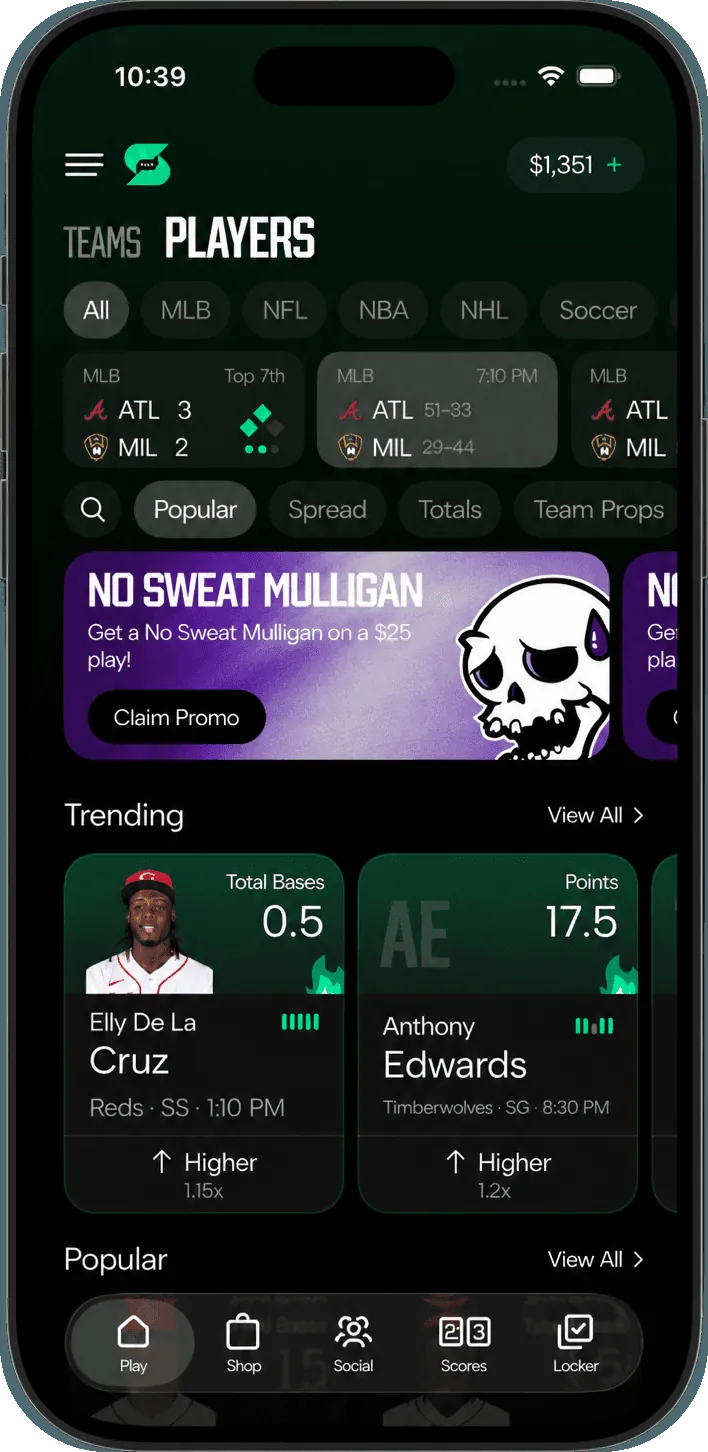
Social sports app development starts with one honest observation: most sports apps feel like spreadsheets, and fans do not watch games alone. They text the group chat, argue about calls and bet bragging rights on the next drive. The products that win build that energy into the app itself, so every game feels personal. We learned that building Smacktok, the social sports gaming platform we incubated from zero, where fans challenge friends, make picks and talk trash while competing for real rewards.
This piece covers what a social sports app actually is, the loops that keep fans coming back, how rewards and compliance shape the product, why the brand matters more than in most categories, and how to scope a first version. It comes from the same playbook we use for every AI MVP we build.
What social sports app development is really about
A social sports app is not a scores app with a comment box. It is a product where the main thing you do is compete with, and against, other people around real games. Stats, odds and schedules are ingredients. The product is the relationship between fans.
That changes what you design first. In a stats app, the hard problem is data. In a social sports app, the hard problems are:
- Getting friends in. The app is close to useless alone. The first flow to design is inviting and challenging someone you know.
- Making the stakes feel real. A pick only matters if something is on the line: a ranking, a reward or your reputation with the group.
- Keeping the talk alive. The banter is the product. If the conversation lives in another app, so will your users.
- Matching the rhythm of the game. Activity spikes before kickoff, during big moments and right after the final whistle. The product has to be ready for all three.
When Smacktok started, daily fantasy felt like a spreadsheet. Fans wanted the energy of their neighborhood sports bar: picks with friends, real stakes and nonstop banter. That brief shaped every screen that followed.
The core loops: challenge, pick, talk
Every social sports app we would build runs on three loops that feed each other.
Challenge
A fan challenges a friend, or a group, on a game. This is the growth engine, because every challenge is an invitation. Design it so a challenge can be sent in a couple of taps from anywhere a game appears, and so the person receiving it understands the stakes before they even sign up.
Pick
The fan makes picks for the contest. Keep the first version narrow: one clear way to pick, tied to real games, with results that update quickly. A fan who has to read a rules page before their first pick is a fan you lose.
Talk
Around every contest sits the conversation: reactions, trash talk and the receipts when someone gets it right. Put it next to the game and the picks, not in a separate tab. On Smacktok, the brand promise is "talk smack and back it up," and the product makes both halves of that sentence easy.
When these loops connect, each one pulls people into the next. A good pick earns bragging rights in the chat, the chat starts the next challenge, and the challenge brings in a new friend.
How should a social sports app reward fans?
Rewards are what turn a fun picks game into a habit, and they are also where the product meets the most rules. Two decisions come first.
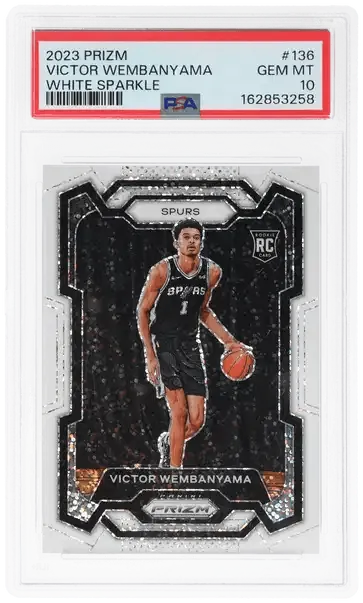
What fans earn. On Smacktok, fans earn Smacks in contests and in the community, and Smacks redeem for graded sports cards, merch and experiences. Rewards that a sports fan already cares about do more than a generic points balance, because they connect the app to the rest of fan culture.
How money moves. If contests involve entry fees, payouts or prizes with real value, you are building a regulated product. The rules for contests, sweepstakes and anything that looks like wagering differ by state and by country. Bring in a lawyer who works in gaming during scoping, not the week before launch, and design eligibility checks, location rules and clear contest terms into the flows from the start.
A few product rules hold either way:
- Show the stakes before the pick. Fans should always know what they can win and what it costs before they commit.
- Make payouts and redemptions boring. Fast, clear and predictable. This is the part of the app where excitement is a bug.
- Reward the community, not only the winners. Fans who post, invite and show up every week keep the social loops alive, even when their picks go cold.
The brand is part of the product
In most software categories, the brand is a layer on top. In social sports, it is the personality of the room, and the room is the product. Fans pick where they hang out the same way they pick a sports bar: by the vibe.
For Smacktok we built an edgy, hype-driven brand around "talk smack and back it up," and carried it through the whole app: the copy on a challenge, the tone of a notification, the way a win is celebrated. When the brand and the product are designed together, the app sounds like fans talk instead of like a sportsbook's terms page. That is why our brand identity work often runs alongside the first build for consumer products like this.
We saw the same thing on the fan platform side with Jump, the ticketing and fan experience platform for pro teams, where we embedded for six months on product strategy and UX and UI. Fans notice when a product feels like it was made by people who love the game.
What the Smacktok build looked like
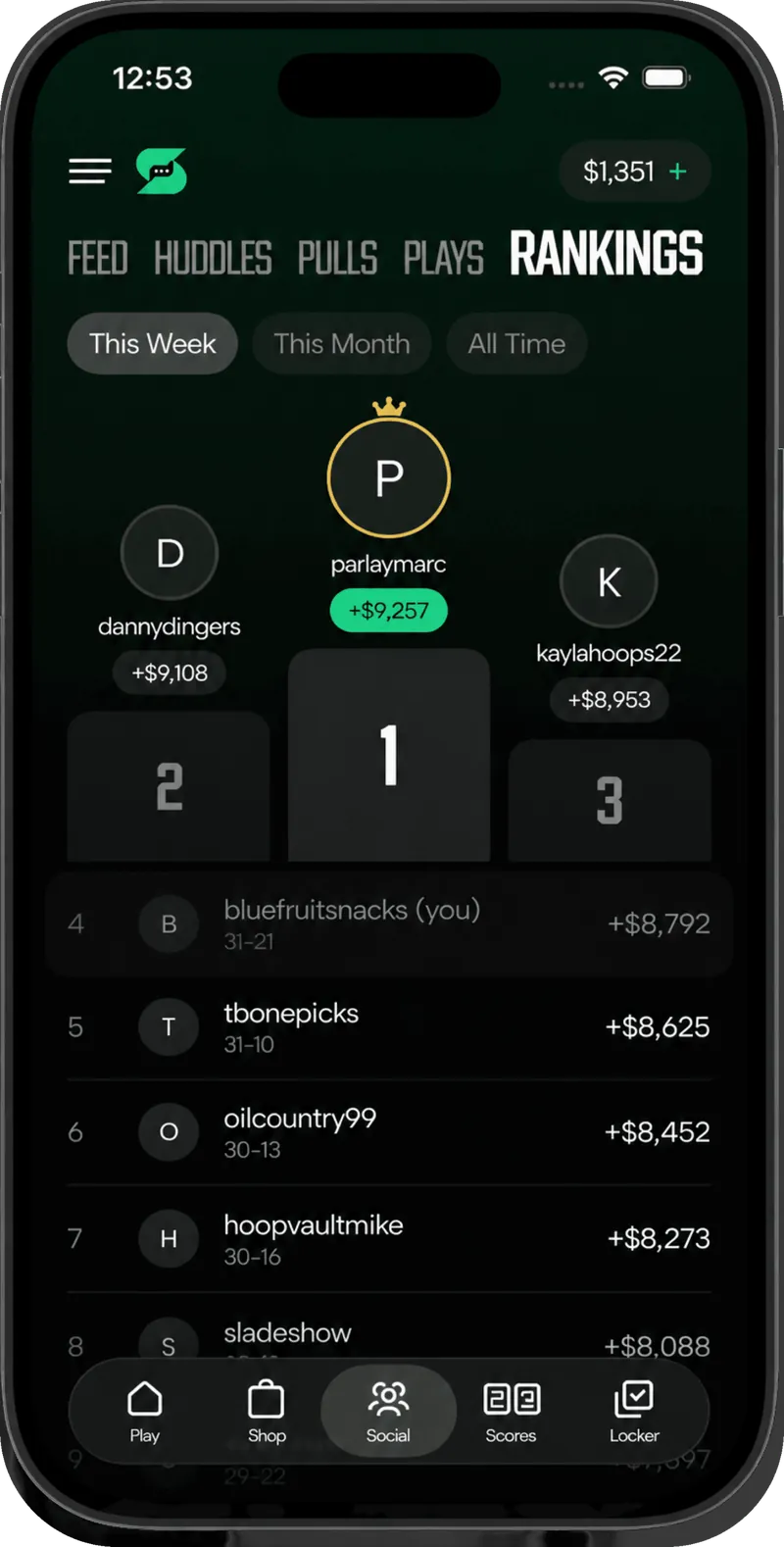
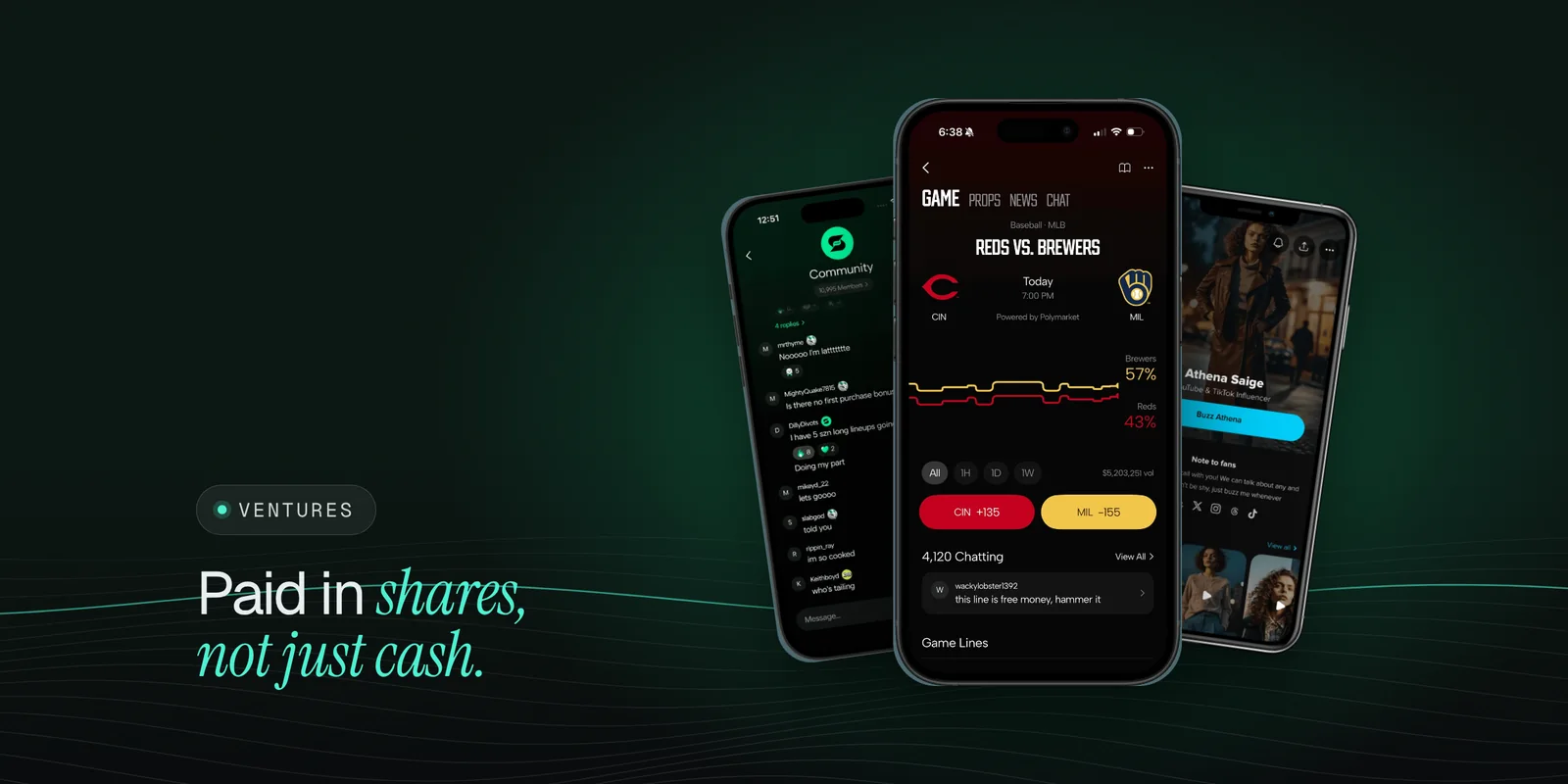
Smacktok is the deepest version of how we work. King Tide incubated it from zero: we wrote the first check, led the acquisition and transition from Offsides, built the brand, and designed and developed the full mobile app for contests, picks, payouts and social. It is live on iOS and Android, and we still run all design and engineering.
On the company side, we led the $2M fundraise that brought in early capital and invested in the round ourselves, and Smacktok has raised $5M to date. That is the venture studio model in practice, and we explain how it works in what a venture studio is.
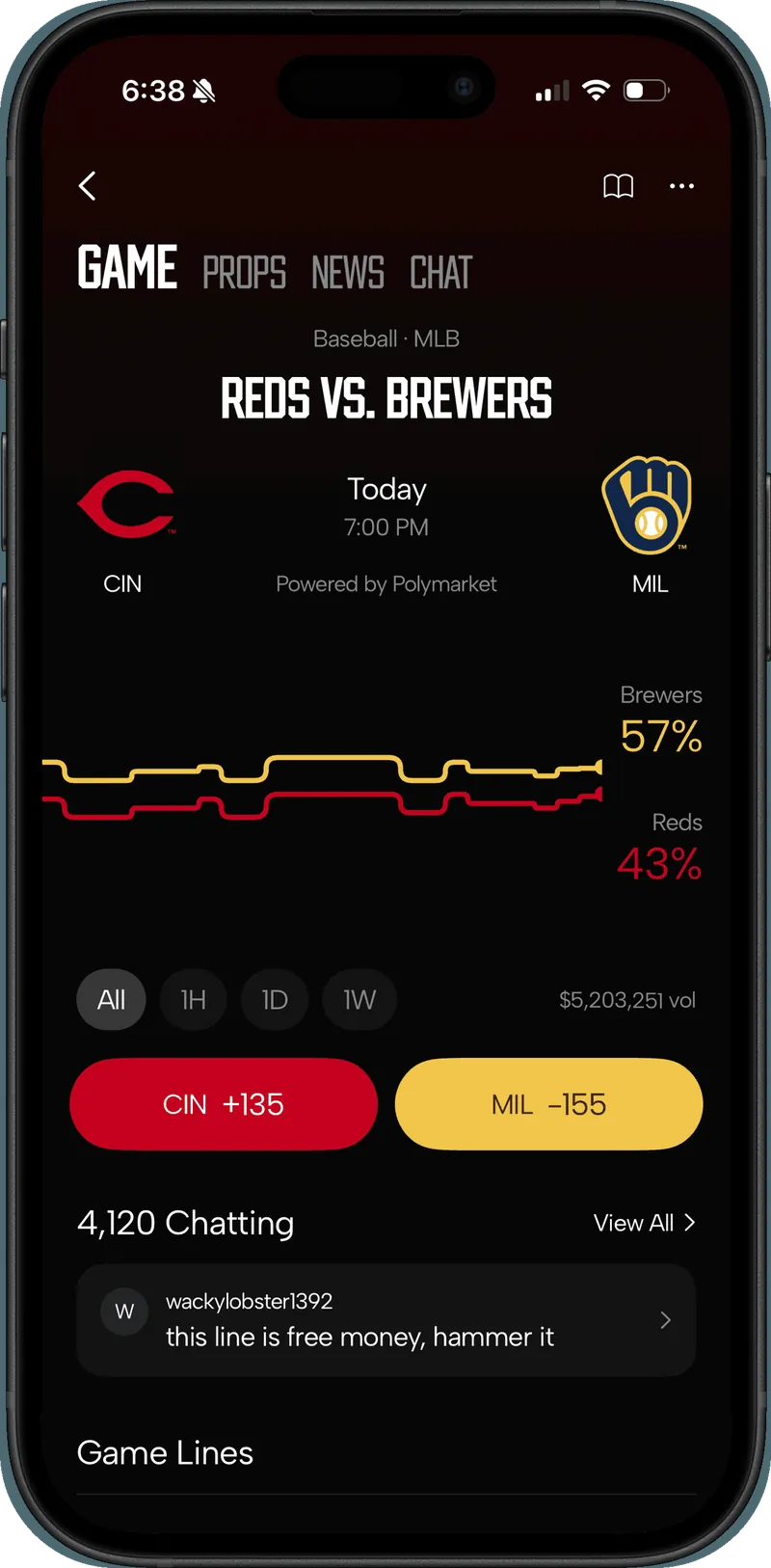 Case study · SmacktokConnect. Compete. Win.See the work
Most founders do not need an incubator. They need a focused first version built well, so they can learn what fans actually do. That is the shape we recommend for anyone starting out.
Scoping your first social sports app
The fastest way to stall a sports app is to launch every sport, every contest type and every social feature at once. A focused first version usually looks like this:
- One audience. Pick the fans you understand best, often one sport or one league to start.
- One contest type. A single picks format with clear rules and fast results.
- Friends first. Invites, challenges and a group view before any public feed.
- Talk next to the game. Reactions and chat attached to each contest.
- One reason to return. Rankings, rewards or both, measured weekly.
- Compliance in the plan. Legal review of contests and rewards, and the checks that come out of it.
With that scope, a 30 to 60 day build is realistic. At King Tide, AI MVPs start at $4,999 for a focused first version, and a full AI MVP is usually around $15K, at a fixed price agreed before we start. Payments, payouts and regulated contests push a build toward the longer end of the timeline, which is one more reason to keep the rest of the first version tight.
If your product is about fans paying for time with someone they follow rather than competing with friends, the flows are different, and we covered them in what we learned building a creator video call app.
The takeaway
Social sports app development is product design for a room full of friends. Build the challenge, pick and talk loops first, make the stakes clear, treat rewards and compliance as core flows, and give the app a personality fans want to hang out in. Launch one audience and one contest type, then let real fans tell you what to add. If you have a sports app idea and want a senior crew's honest read on the first version, tell us about it.
Questions founders ask
What is a social sports app?
A social sports app turns watching and predicting games into something you do with other people: challenging friends, making picks, competing in contests and talking about the action as it happens. Smacktok, which King Tide incubated, is a social sports gaming platform where fans challenge friends, make picks and talk trash while competing for real rewards.
What features does a social sports app need at launch?
A way to find and challenge friends, a simple picks or contest flow tied to real games, results that update quickly, a social feed or chat around each game, and a reason to come back, such as rankings or rewards. Everything beyond that can wait for real usage data.
Do social sports apps with real rewards need legal review?
Yes. Contests, prizes and anything that looks like wagering are regulated differently by state and country, so the rules, eligibility and rewards should be reviewed by a lawyer who works in gaming before you launch. Plan that review into the timeline from day zero.
How long does it take to build a social sports app?
A focused first version can go from the first call to a live product in 30 to 60 days with King Tide, starting at $4,999 for a fixed scope. A full AI MVP is usually around $15K. Contests, payouts and compliance work push a build toward the longer end of that range.
Who built Smacktok?
King Tide. We incubated Smacktok from zero, wrote the first check, built the brand, designed and developed the full mobile app for contests, picks, payouts and social, led the $2M fundraise and still run all design and engineering.