Design and Development for Equity: How to Structure a Fair Deal
Paying a product team partly in shares can get your first version built before you raise. It can also cost you more than cash ever would. Here is how to tell the difference and structure the deal well.
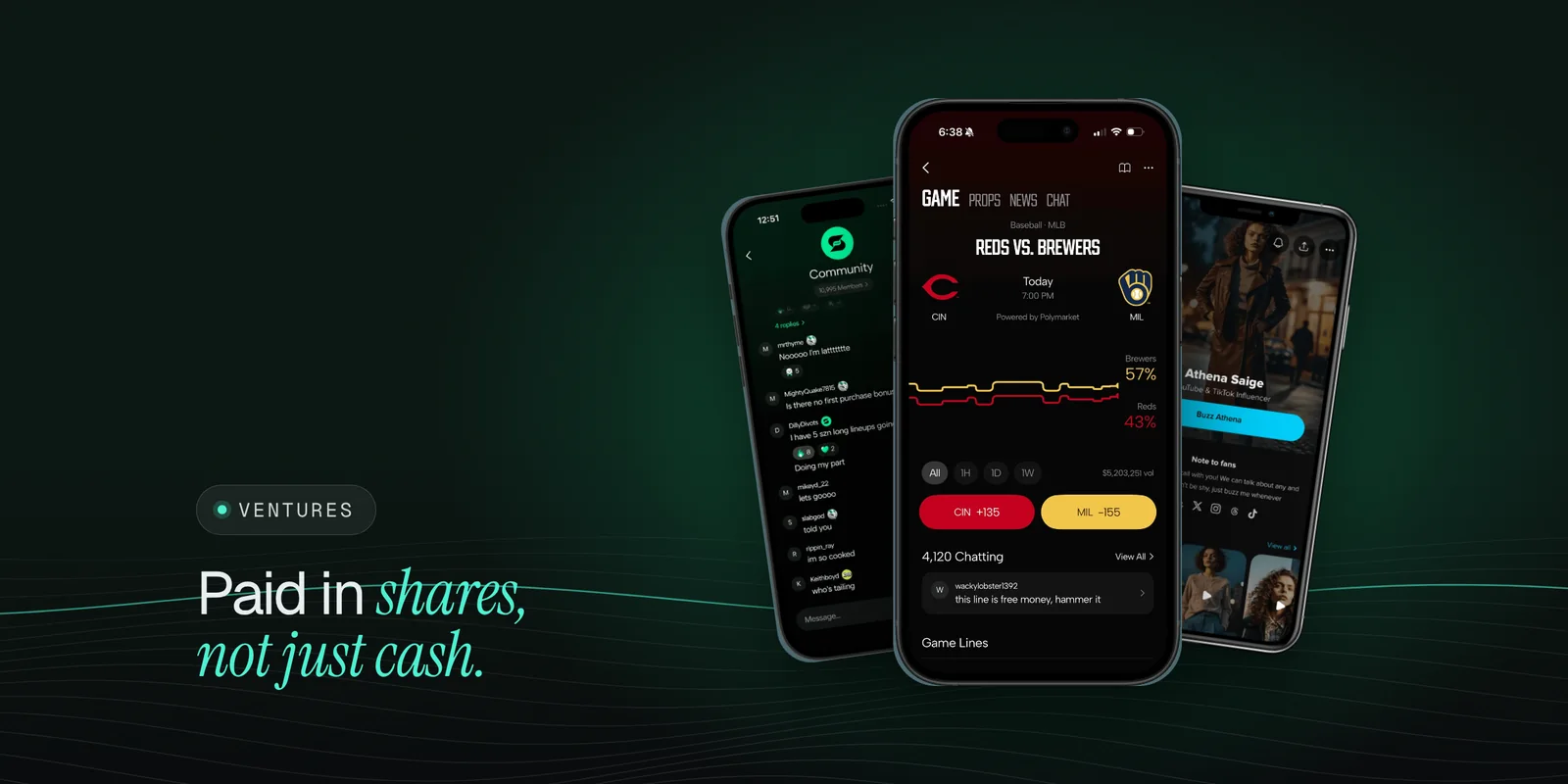
Design and development for equity means paying the people who build your product partly, or fully, in shares of your company instead of cash. For an idea-stage founder with no technical cofounder, it can be the difference between a product in users' hands this quarter and a pitch deck that never turns into anything. It is also the most expensive way to pay for work if the company succeeds, so the structure matters as much as the decision.
This guide covers how equity for development work is usually structured, when it makes sense, how to put a value on the work and what belongs in the agreement. It comes from our side of these deals: King Tide invests in and builds with early-stage startups, and we also build products at a fixed price through our AI MVP service. We are not lawyers, so treat this as a map for the conversation, not legal advice.
What design and development for equity actually means
In its simplest form, a founder and a product team agree that the team will design and build something, and the team will be paid with ownership in the company. In practice there are three common shapes:
- All equity. The team works with no cash fee and takes a stake instead. This is the classic sweat equity deal, and it is rare from established studios because the team carries the full cost of the work.
- Discounted cash plus equity. The founder pays a reduced fee, and the team takes equity for the difference. This is the most common middle path, and it is the one we use when the fit is right.
- Investment plus build. The studio writes a check into the company and also does the work, often at a discount. At that point the studio is acting less like a vendor and more like a venture studio: a cofounder with a crew.
Each shape changes what the team is betting on. A team paid fully in equity only wins if the company does. A team paid mostly in cash with a small stake on top is still mostly a vendor.
How equity for development work is usually structured
The instrument matters as much as the percentage. A few common options:
- Common stock with vesting. The team receives shares that vest over time or as milestones ship, much like a cofounder's. If the relationship ends early, unvested shares go back to the company.
- A SAFE for the value of the work. Instead of shares today, the team's work is treated like an investment that converts into equity at a future priced round. Y Combinator publishes its SAFE templates openly, and many early rounds use them, which makes a SAFE easy for future investors to read.
- Options or warrants. A right to buy shares later at a set price. These are less common for build deals but sometimes appear when the team's role is ongoing.
Whatever the instrument, keep it boring and standard. A strange structure invented for one deal is a question every future investor will ask you about.
When trading equity for development work makes sense
Equity is worth giving when the partner brings something you cannot simply buy. It tends to make sense when:
- You own the market but not the build. You know the customer, have the audience or have sold in the industry, but nobody on the team can design and ship a production product.
- The partner adds more than hours. Experience launching products, a brand that makes a young company look real, help with the pitch deck and introductions for the raise.
- The first version is clear. You can describe it in a sentence, so both sides know what the equity is buying.
It tends to be a bad trade when:
- You could fund the first version in cash. A focused first version at a fixed price keeps every share. At King Tide an MVP starts at $4,999 for a focused first version, and a full AI MVP is usually around $15K. Our guide to what an MVP costs explains what moves that number.
- The work is a commodity. If anyone could build it, paying in your scarcest asset makes little sense.
- The scope is still a guess. Equity does not remove the need to decide what you are building. It just makes a vague scope more expensive to fix later.
We compare paying in cash, by the hour and in equity in fixed price vs time and materials.
How to put a value on the work
Equity in an idea-stage company is hard to price, which is exactly why founders overpay with it. A few rules keep the math honest:
- Start from the cash price. Ask what the same scope would cost as a fixed-price project. That is the value of the work, whatever form the payment takes.
- Write the scope down first. Flows, platforms, integrations and what launch means. Equity for "building the app" is how disputes start.
- Tie equity to milestones. Design approved, product live with real users, a set period of support after launch. Vesting by milestone means the stake is earned as the product ships.
- Separate the check from the work. If the studio also invests cash, treat that as a normal investment on normal terms, and price the work on its own.
The goal is that a future investor can look at the cap table, see what the team got and see what the company got for it.
What to put in the agreement
Whatever the numbers, a good design and development for equity agreement answers these questions in plain language:
- Who owns the code, the designs and the brand? Your company, from day one, with the intellectual property assigned to it. No exceptions.
- What exactly is being delivered, and by when? The scope, the milestones and what counts as done.
- How does the equity vest? Over time, by milestone or both, and what happens to unvested shares if either side walks away.
- What happens after launch? Does the team keep building, ramp down as you hire, or hand off clean repos and docs?
- Who makes decisions? A partner with a stake will have opinions. Agree on how product and company calls get made before you need to.
- What does it mean for taxes? Equity received for services can have tax consequences for both sides. Ask an accountant before you sign, not after.
Have a startup lawyer review it. The same questions apply to any partner offering work for equity, and we list more in startup studio vs accelerator.
How King Tide works for equity
We invest $25K to $100K in early-stage startups and trade discounted design and engineering for equity when the fit is right. That fit is the whole decision: a founder who knows the market, a product we can scope clearly and a company we want to own part of for years.
Two examples from our ventures portfolio show the range:
- Rumor, the private network connecting influential hosts with the right people for exclusive experiences. We were the first check in, led branding, product strategy, UX and backend, and backed it with an angel investment.
- Jump, the ticketing and fan platform for pro teams. As Seed investors and design partners, we embedded for six months on product strategy and UX and UI.
 Case study · RumorThe operating system for culture.See the work
At the deep end, Smacktok was incubated by King Tide: we wrote the first check, led the $2M raise and still run all design and engineering. Most founders, though, come to us for a fixed-price build and keep all of their equity. If you want investors to see proof before you give anything away, our investor-ready program packages a brand, an AI MVP and the pitch deck into about 60 days.
The takeaway
Design and development for equity is a good trade when your partner brings more than labor and the first version is clear enough to price. Start from the cash value of the work, write the scope down, vest the stake by milestone and make sure your company owns everything that gets built. If you can fund a focused first version in cash, that is usually the cheaper path. If you want a senior crew's honest read on which path fits your idea, tell us about it.
Questions founders ask
Can I pay a design or development agency in equity?
Sometimes. Some studios take part or all of their fee as equity when they believe in the company and the fit is right, but many agencies only work for cash. Expect a studio that takes equity to be selective and to ask hard questions about the market, the team and the plan to raise.
How much equity should I give for development work?
There is no standard number. Start from what the same work would cost in cash, agree on the scope in writing, and tie any stake to delivered milestones with vesting, so equity is earned as the product ships rather than handed over up front.
Is it better to pay cash or equity for an MVP?
If you can fund a focused first version in cash, you keep every share and full control. Equity makes more sense when the partner brings more than labor, such as capital, experience launching products or help with the raise, and you would struggle to get the product built otherwise.
What should a design and development for equity agreement include?
The scope and milestones, how and when equity vests, the instrument used, who owns the code and the brand (your company, from day one), what happens if either side stops, and decision rights after launch. Have a startup lawyer review it, and ask an accountant about tax treatment.
Does King Tide work for equity?
Sometimes. King Tide invests $25K to $100K in early-stage startups and trades discounted design and engineering for equity when the fit is right. It has invested in Smacktok, Rumor, Raziel and Jump.