Startup Studio vs Accelerator: Which One Fits Your Idea?
One gives you a cohort, a check and a deadline. The other gives you a team that builds with you. Here is how to tell which one your idea needs right now.
Startup studio vs accelerator comes down to one question: do you need help building the product, or help growing a company you can already build? An accelerator gives you a check, a cohort, mentors and a deadline, and expects your team to do the work. A startup studio puts its own designers and engineers on your product and usually takes a bigger share of the risk and the company in return.
This piece covers how each model works, what it costs you in equity and time, which founders each one fits, and the questions to ask before you sign. It comes from our side of the table: King Tide invests in and builds alongside early-stage startups, and we have incubated companies from the first check to a live product.
What an accelerator gives you
An accelerator runs a fixed program, usually a few months long, for a batch of companies at once. The shape is similar across programs:
- A standard investment. Every company in the batch gets the same deal, written down before you apply. Y Combinator publishes its terms: $125,000 on a post-money SAFE for 7% of the company, plus $375,000 on an uncapped SAFE with a most favored nation provision.
- A cohort and a network. Other founders at the same stage, alumni who answer emails, and partners who have seen your problem before.
- Pressure and a finish line. Weekly check-ins and a demo day force you to set goals and hit them in public.
- Investor access. The demo day and the brand of a well-known program put you in front of investors faster than cold email.
What an accelerator does not give you is hands on the product. The founders write the code, design the screens and ship the releases. That is the point: the program assumes you can build, and helps you build faster and raise better.
What a startup studio gives you
A startup studio, also called a venture studio, works with a handful of companies instead of a batch. The studio brings its own product team, and that team does the work alongside the founders: brand, product design, engineering and often the pitch deck for the first round.
There is no standard deal. Studios usually combine some mix of cash investment, discounted or deferred fees, and equity for the work, and the split is negotiated company by company. Some studios start companies from their own ideas and recruit founders to run them. Others, like us, partner with founders who arrive with an idea, a market or an audience.
Here is what that looks like in practice:
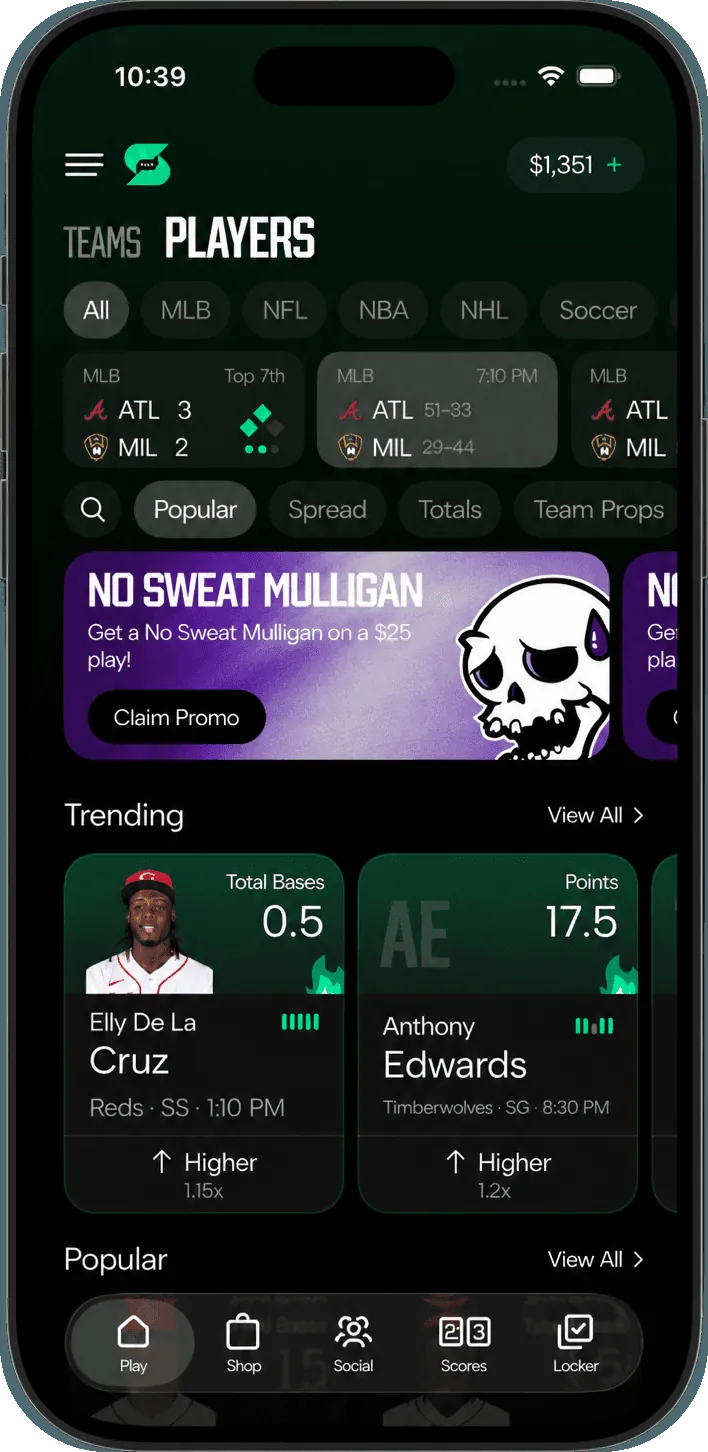
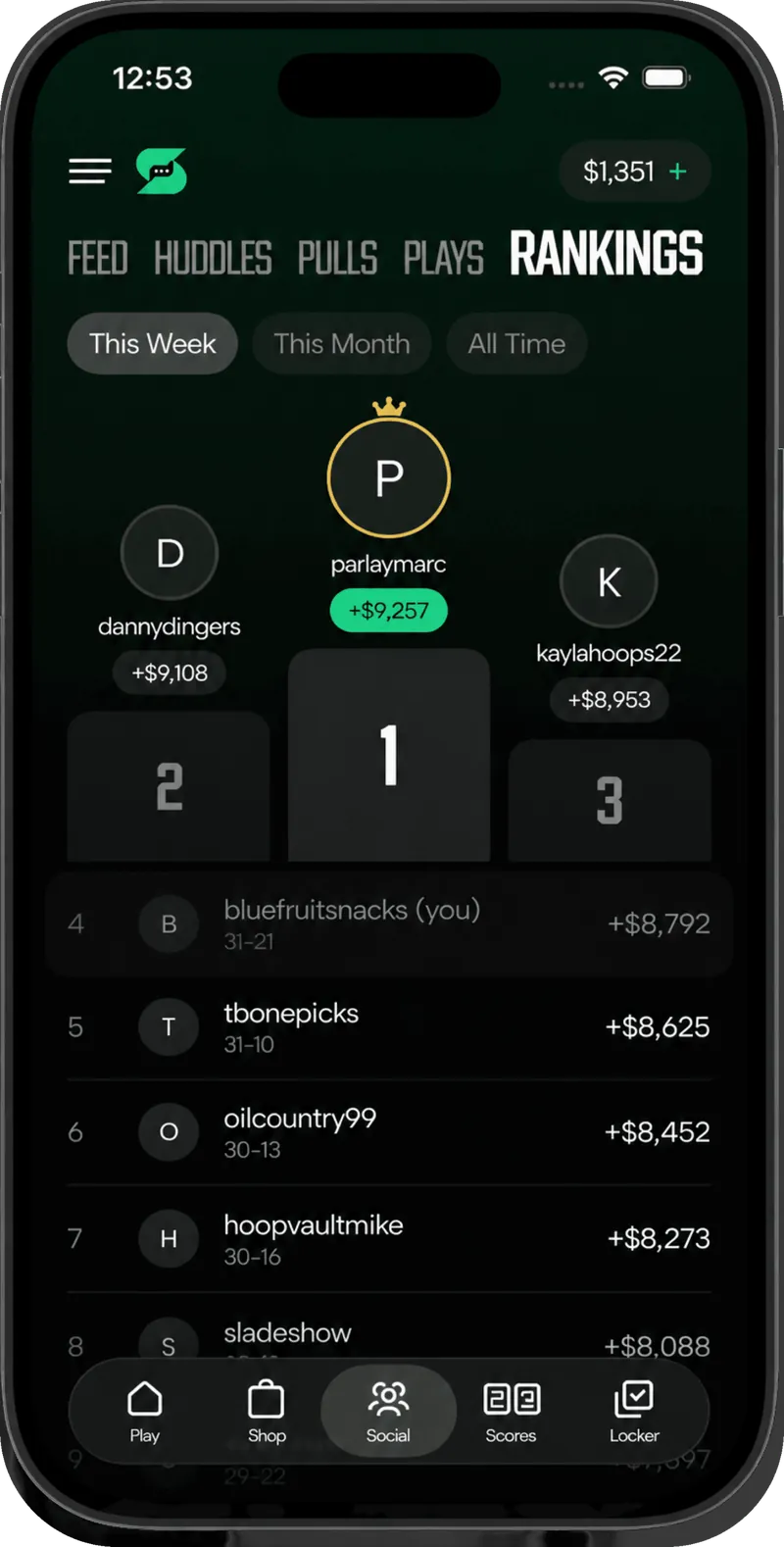
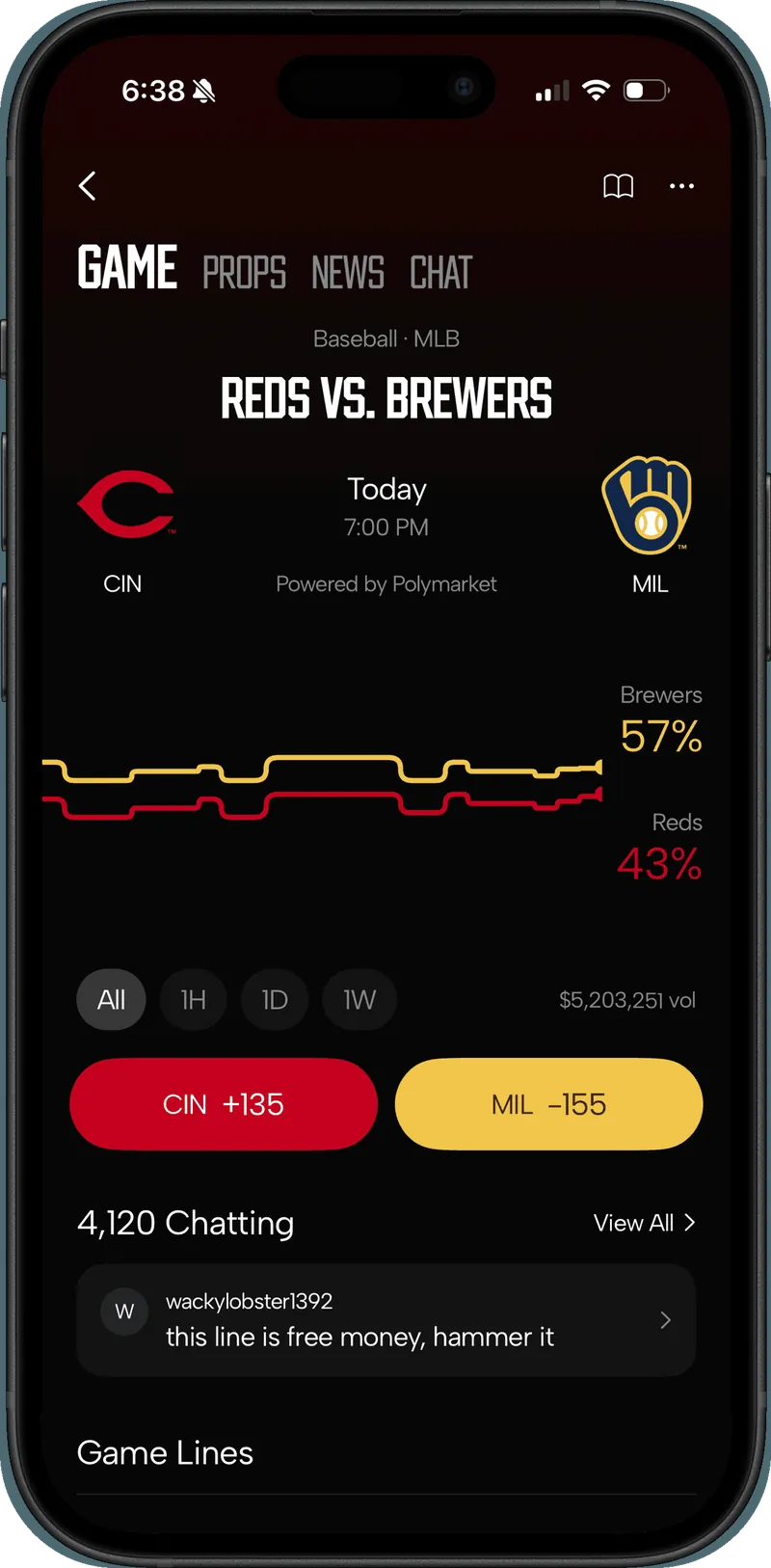
- Smacktok was incubated by King Tide from zero. We wrote the first check, built the brand, designed and developed the iOS and Android apps, led the acquisition and transition from Offsides and led the $2M raise, investing in the round ourselves. We still run all design and engineering.
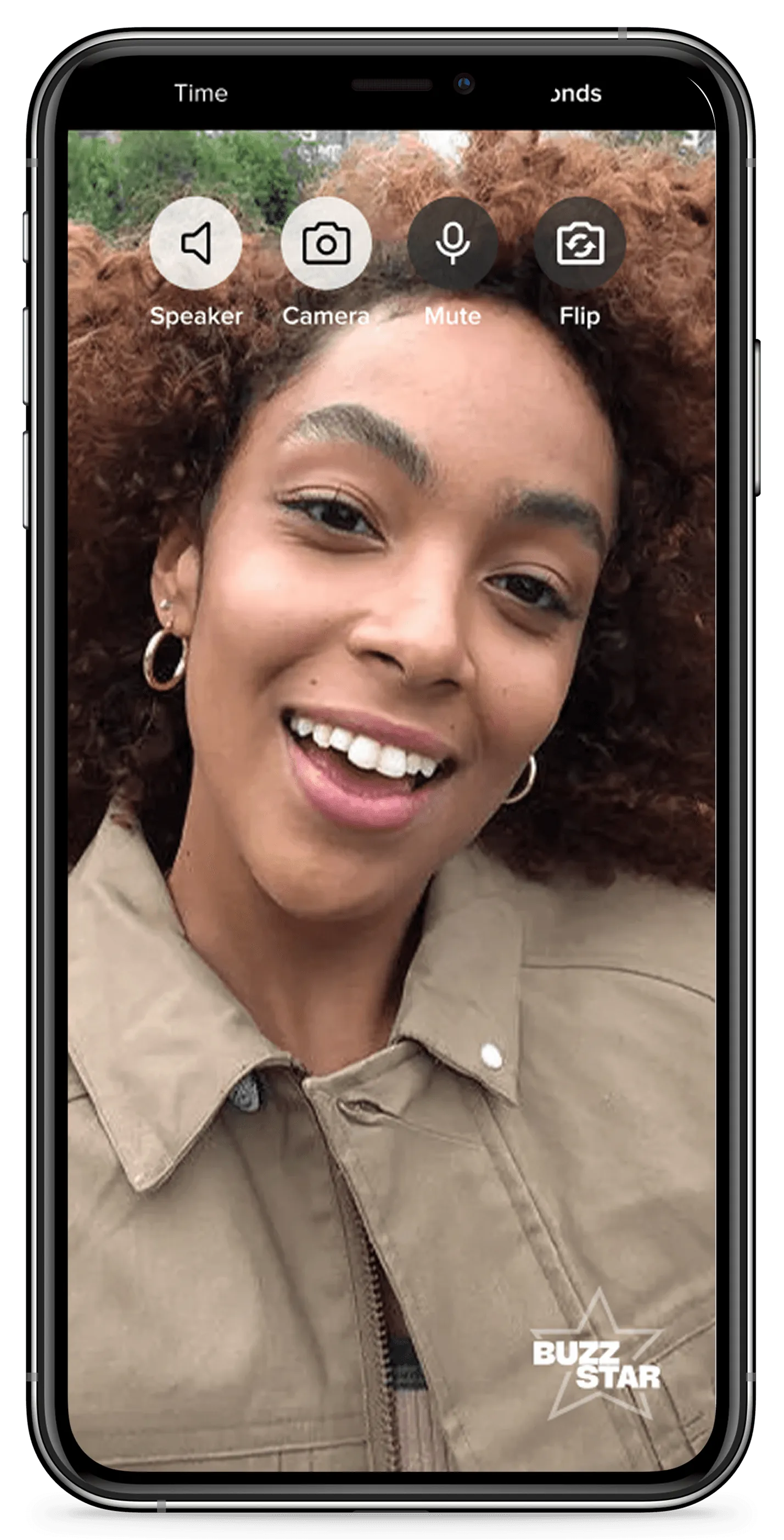
- BuzzStar was incubated with creator Austin McBroom. We handled the brand, the pitch deck, product design and full-stack development, and invested in the venture.
- Raziel started inside King Tide as an idea. We built the brand, the website, the iOS and Android apps and the AI product, and invested in its Seed round.
In each case the studio carried product risk that an accelerator would have left with the founders.
 Case study · SmacktokConnect. Compete. Win.See the work
Startup studio vs accelerator: the trade-offs side by side
- Who builds the product. Accelerator: your team. Studio: the studio's team, with you.
- Investment. Accelerator: a standard deal, the same for the whole batch. Studio: negotiated, some mix of cash, discounted work and equity.
- Equity. Accelerator: set by the program's published terms. Studio: varies with how much the studio builds and invests.
- Time. Accelerator: a fixed program of a few months. Studio: as long as the build takes, often ongoing.
- Best stage. Accelerator: a team that can already ship. Studio: an idea or market that needs a product team.
- Biggest benefit. Accelerator: network, pressure and investor access. Studio: a real product in users' hands.
The equity question is where founders get stuck. A studio may ask for more of the company than an accelerator, but it is also paying for designers and engineers you would otherwise hire or pay for in cash. Compare what each partner actually contributes, not only the percentage.
Which one fits your idea?
Choose an accelerator if your founding team includes someone who can build the product, you already have a prototype or early users, and what you lack is capital, a network and a deadline. Your equity buys acceleration, not labor.
Choose a studio if you understand the market or own the audience but nobody on the team can design and build a production product. A creator with millions of fans, an operator who knows an industry's pain, or a founder who has sold to the customer before are all good studio partners. Your equity buys a product team.
Consider a fixed-price build if you want to keep the equity and can fund the first version yourself. Many founders build a focused first product with a studio on a fixed price, get it into users' hands, and then apply to an accelerator or raise with real data instead of a pitch. Our AI MVPs go live in 30 to 60 days and start at $4,999 for a focused first version, with a full AI MVP usually around $15K. Our guide on how long it takes to build an MVP covers what sets that timeline.
The worst fit is a founder who cannot build joining an accelerator and spending the program hunting for a technical cofounder, or a founder who can build handing a studio equity for work they could do themselves.
Questions to ask a startup studio before you sign
Studios vary much more than accelerators, so ask:
- Who actually does the work? Meet the designers and engineers, not only the partners. Senior people in the pitch and junior people on the build is a common gap.
- What is the deal, in writing? How much cash, how much discounted work, how much equity, and on what instrument.
- Who owns the code and the brand? It should be your company, from day one.
- What happens after launch? Does the studio keep building, ramp down as you hire, or hand off clean repos and docs?
- What have they built and backed before? Look for live products and companies that raised, and ask to talk to a founder.
The same questions apply to anyone offering design or engineering for equity. Our breakdown of fixed price vs time and materials covers how to judge the scope and payment side of any build.
How King Tide works with founders
King Tide is a lean, senior crew in Los Angeles and Ciudad de México. On the venture side, we invest $25K to $100K in early-stage startups and trade discounted design and engineering for equity when the fit is right. We have invested in Smacktok, Rumor, Raziel and Jump, and our ventures portfolio shows the full list.
Not every founder needs a studio partner. Plenty come to us for a fixed-price product build or a monthly design team and keep all their equity. If you have an idea and want investors to see proof rather than a promise, our investor-ready program packages a brand, an AI MVP and the pitch deck into about 60 days.
The takeaway
If you can build and need capital, pressure and a network, apply to an accelerator. If you have the idea or the market but no product team, look for a startup studio, and judge it by who does the work and what it has shipped. If you want to keep the equity, fund a focused first version at a fixed price and raise on real data. Whichever path you take, book a scope call if you want a senior crew's honest read on your idea first.
Questions founders ask
What is the difference between a startup studio and an accelerator?
An accelerator runs a fixed program for a cohort of companies, usually with a standard investment, mentorship and a demo day, and the founders do the building. A startup studio works with far fewer companies and puts its own designers and engineers on the product, often investing and taking equity for the work.
Is a startup studio better than an accelerator?
Neither is better in general. An accelerator fits founders who can already build and need capital, a network and pressure. A studio fits founders with a strong idea or market who need a product team to get to a real product.
How much equity does an accelerator take?
It varies by program, so read the terms. Y Combinator, for example, publishes its standard deal: $125,000 on a post-money SAFE for 7% of the company, plus $375,000 on an uncapped SAFE with a most favored nation provision.
Can I do both a startup studio and an accelerator?
Yes. Many founders build a first product with a studio and then apply to an accelerator with real users and data, which makes the application stronger.
Does King Tide take equity?
Sometimes. King Tide invests $25K to $100K in early-stage startups and trades discounted design and engineering for equity when the fit is right.