How to Name a Startup: A Founder's Guide to Names That Last
A name is the one brand decision that is expensive to undo. Here is how to pick one that is easy to say, possible to protect and big enough for where the company is going.
How to name a startup comes down to three tests: people can say it after hearing it once, you can protect it as a trademark, and it still fits when the company grows past its first product. Most naming regret comes from skipping one of those tests because a founder fell for a name in the shower and bought the domain that night. The fix is a short, repeatable process that starts from what the company stands for and ends with real checks, not vibes.
This guide covers what makes a strong startup name, the five steps we use, the checks every finalist has to pass, where AI helps and the mistakes that cost founders later. It comes from the naming work inside our brand identity projects, where the name and the story are built together.
What makes a good startup name
A strong name does a few jobs at once. It has to work in a pitch, in an App Store listing, in a group chat and on a shirt.
- Easy to say and spell. If you have to spell it on every call, it will leak referrals and searches.
- Distinctive in its category. If every competitor sounds like "something-ly," the one that does not is remembered.
- Protectable. The US Patent and Trademark Office explains that strong trademarks are suggestive, fanciful or arbitrary, while descriptive and generic marks are weak and hard to defend.
- Room to grow. A name tied to one feature or one city becomes a problem the day you add a second.
- A feeling, not a description. The tagline explains what you do. The name carries the attitude.
The main types of names
Most good startup names fall into one of four groups. Suggestive names hint at a quality without stating it. Arbitrary names borrow a real word from an unrelated world, the way Apple did for computers. Invented names are coined words that only mean your company. Compound names join two real words into something new. Purely descriptive names, the ones that just say what the product does, are the hardest to protect.
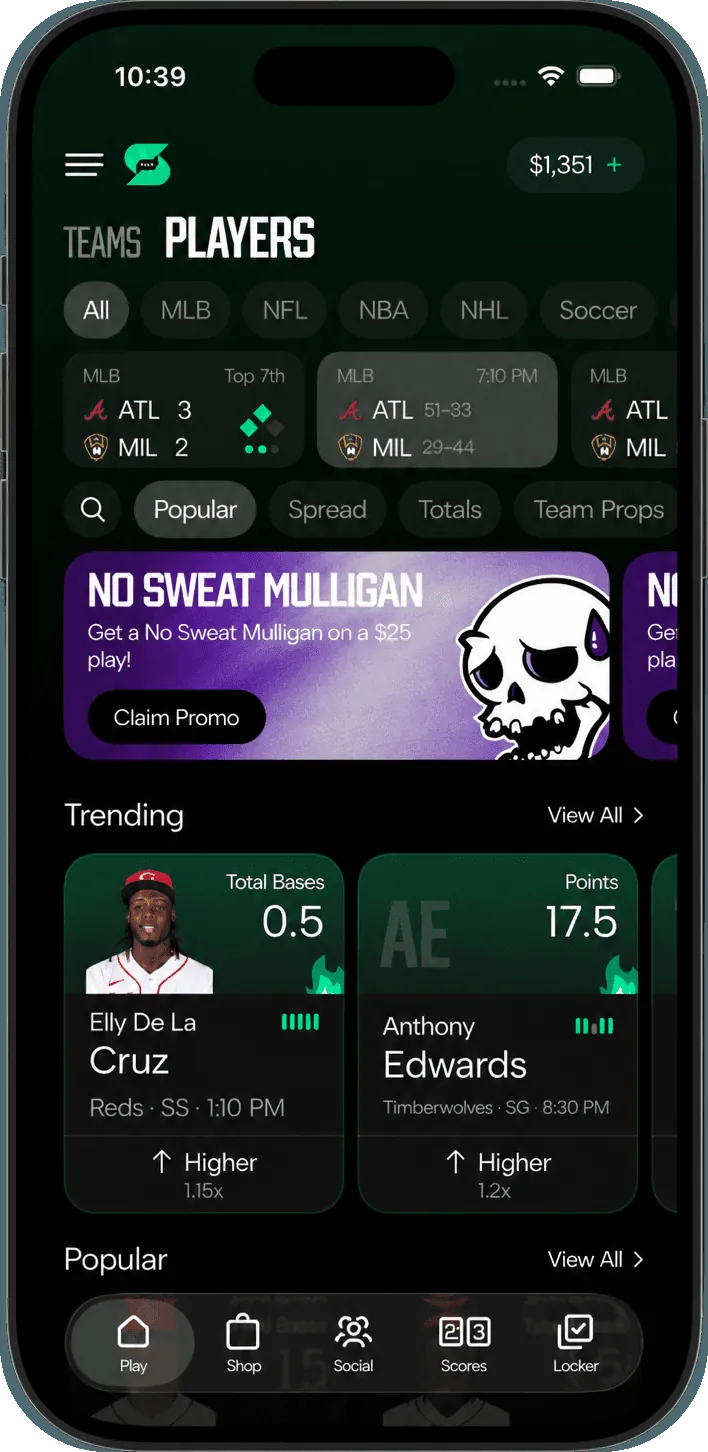
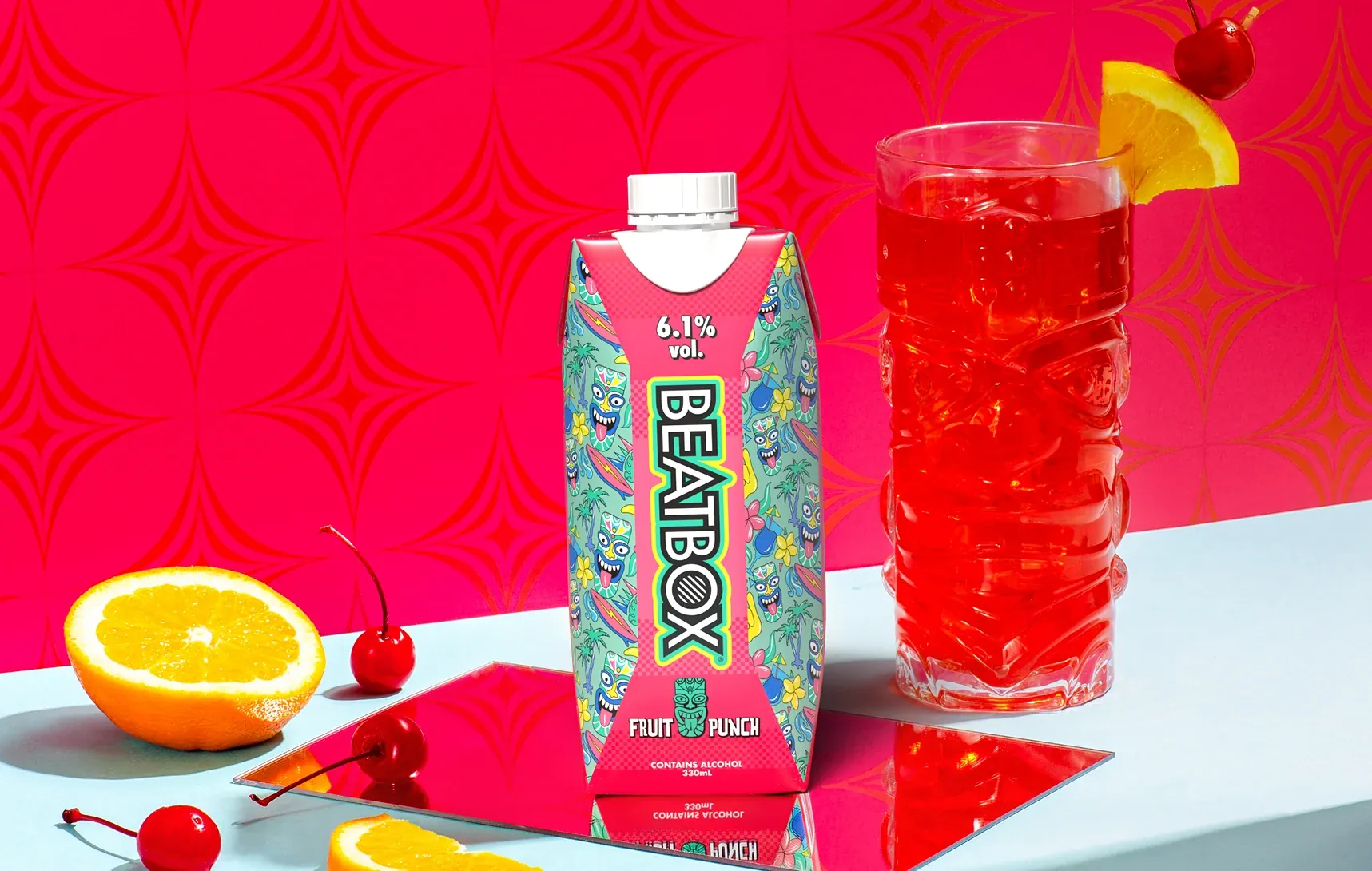
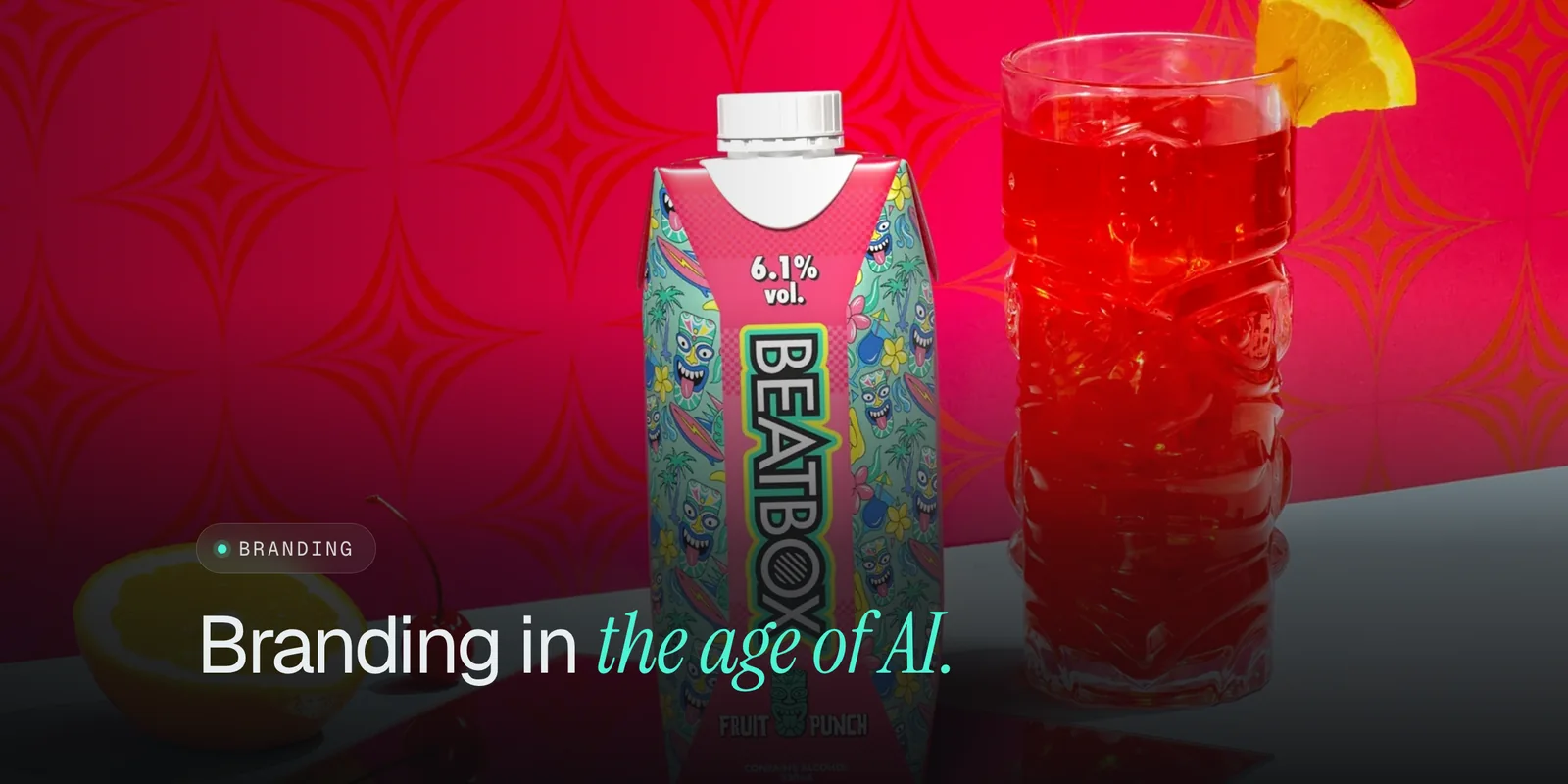
Look at a few names from our own work. Smacktok carries the attitude of the brand we built around it, "talk smack and back it up," before anyone reads a word of the App Store copy. BeatBox puts music and the box the product comes in into one word. Raziel says nothing about portfolios at all, which leaves the brand free to feel like private banking.
How to name a startup in five steps
1. Write the positioning first
Before any name lists, write two or three sentences: who the company is for, what it stands against and why it wins. Every name on the list gets judged against those sentences. Without them, the team picks whatever sounds coolest that day.
2. Set the brief
Decide the constraints up front: the feeling you want (calm, loud, premium, playful), the languages it has to work in, the markets you will launch in and any words to avoid. If you sell in English and Spanish, say every candidate out loud in both.
3. Go wide
Generate a long list across all the name types, not just your favorite. Mine the product, the customer's world, metaphors, other languages and invented words. Quantity matters here. The best name is rarely in the first twenty.
4. Cut to a shortlist
Cut hard against the brief and the positioning. Keep five to ten names that pass a gut check from the people who will say the name every day. Then put each finalist into a real sentence: "I just booked it on ___," "___ raised its Seed," a push notification, a logo lockup.
5. Check, then choose
Run every finalist through the checks below before anyone gets attached. Choose one name, and one backup in case the legal review comes back red.
The checks every finalist has to pass
A name is not real until it clears these:
- Trademark. Search the USPTO trademark database for the same and similar names in your category, and in other markets where you plan to sell. Then have a trademark attorney review your top choice before you file or print anything. A free search is a first filter, not clearance.
- App Store and Google Play. If you are shipping an app, search both stores. Apple says an app name can be up to 30 characters long, so a long name may need a shorter store version from day one.
- Domain and handles. You do not need the exact .com on day one, but you need a domain people will not mistype and handles that match across the channels you will use.
- Say it out loud. Read it to five people without spelling it, then ask them to type it. If most of them get it wrong, the name will cost you word of mouth.
- Search results. Search the name. If page one is a famous brand, a slang term you do not want or a crowded category, you will be fighting for your own name in search for years.
Using AI to name a startup
AI is useful for step three. It can produce hundreds of candidates in minutes, find words in other languages, suggest variations on a root and stress-test a shortlist with rough taglines. We use it that way, as a faster pencil.
It is weak at everything after that. AI is trained on what already exists, so its first instincts land near the average of every startup name it has seen. It cannot tell you whether a name clears trademarks in your category, and it does not know your positioning unless you write it down for it. The same split runs through all brand work, which we cover in what still needs a human in startup branding.
Naming mistakes that cost founders later
- Picking the name before the positioning. You end up rewriting the story to fit the name.
- Describing the first feature. It feels clear in month one and confining in year two.
- Odd spellings to get a cheap domain. Every dropped vowel is a typo someone makes on the way to a competitor.
- Naming by committee. Decide on day one who makes the final call, and let everyone else give input, not votes.
- Skipping the legal check. A rename after launch means new domains, new store listings, new packaging and a cease and desist letter you did not budget for.
- Waiting for a perfect name. No name tests perfectly. Pick the strongest one that passes the checks, then let the brand give it meaning.
When to bring in a naming partner
If you have positioning, a clear brief and a week of focus, you can run this process yourself. A partner helps when the team is split, when the category is crowded with similar names, or when the name has to launch alongside a full identity, a site and a product.
At King Tide, naming is an optional phase of a brand identity project, built alongside positioning in week two so the name and the story come together. We aim for names that clear trademarks and sound like a category leader. Brand identity projects are $3,500 and take four to eight weeks, and naming is quoted up front when you need it. Our guide to how much brand identity costs explains what changes the price.
If you are building the product at the same time, the name can come with it. Our AI MVPs include a brand starter with a name, logo and look so you launch like a real company, as we describe in how we build an AI MVP in 30 to 60 days.
 Case study · SmacktokConnect. Compete. Win.See the work
The takeaway
Write the positioning before the name list. Go wide, cut hard and put every finalist through trademark, store, domain and say-it-out-loud checks before anyone falls in love. Use AI for volume and people for judgment. And pick one name with a backup, then spend your energy on the brand that gives it meaning. If you want a senior crew to name and build your brand in weeks, tell us about your company.
Questions founders ask
How do I come up with a name for my startup?
Start from positioning, not a blank page: write down who the company is for and what it stands for, then generate a long list across several name types, cut it to a shortlist and run every finalist through trademark, domain, App Store and say-it-out-loud checks before you choose.
What makes a good startup name?
A good startup name is easy to say and spell, distinctive in its category, possible to protect as a trademark and big enough to survive the company adding products. The USPTO describes suggestive, arbitrary and invented names as strong trademarks, and descriptive or generic names as weak ones.
Should my startup name describe what we do?
Usually not on its own. Purely descriptive names are hard to register and defend as trademarks and box you in if the product changes. A name that suggests a quality or feeling, paired with a clear tagline, tends to age better.
Can I use AI to name my startup?
Yes, for the long list. AI is good at generating hundreds of options and variations quickly. It cannot judge which name fits your positioning, clears trademarks in your category or will still feel right in five years, so people should make the final call.
How long does it take to name a startup?
With a clear positioning statement, a focused naming sprint can produce a shortlist in about a week. At King Tide, naming is an optional phase that runs alongside positioning in the second week of a four to eight week brand identity project.