Startup Branding in the Age of AI: What Still Needs a Human
Generators made logos cheap. They did not make brands cheap. Here is where AI genuinely helps a young company look real, and where judgment still decides the outcome.
AI changed how fast a startup can get a logo. It did not change what makes a brand work. A startup branding agency in 2026 still earns its fee on the things generators cannot do: choosing a position in a crowded category, making a hundred small decisions consistently, and building a system that looks as good on a shelf as it does in an app and a pitch deck.
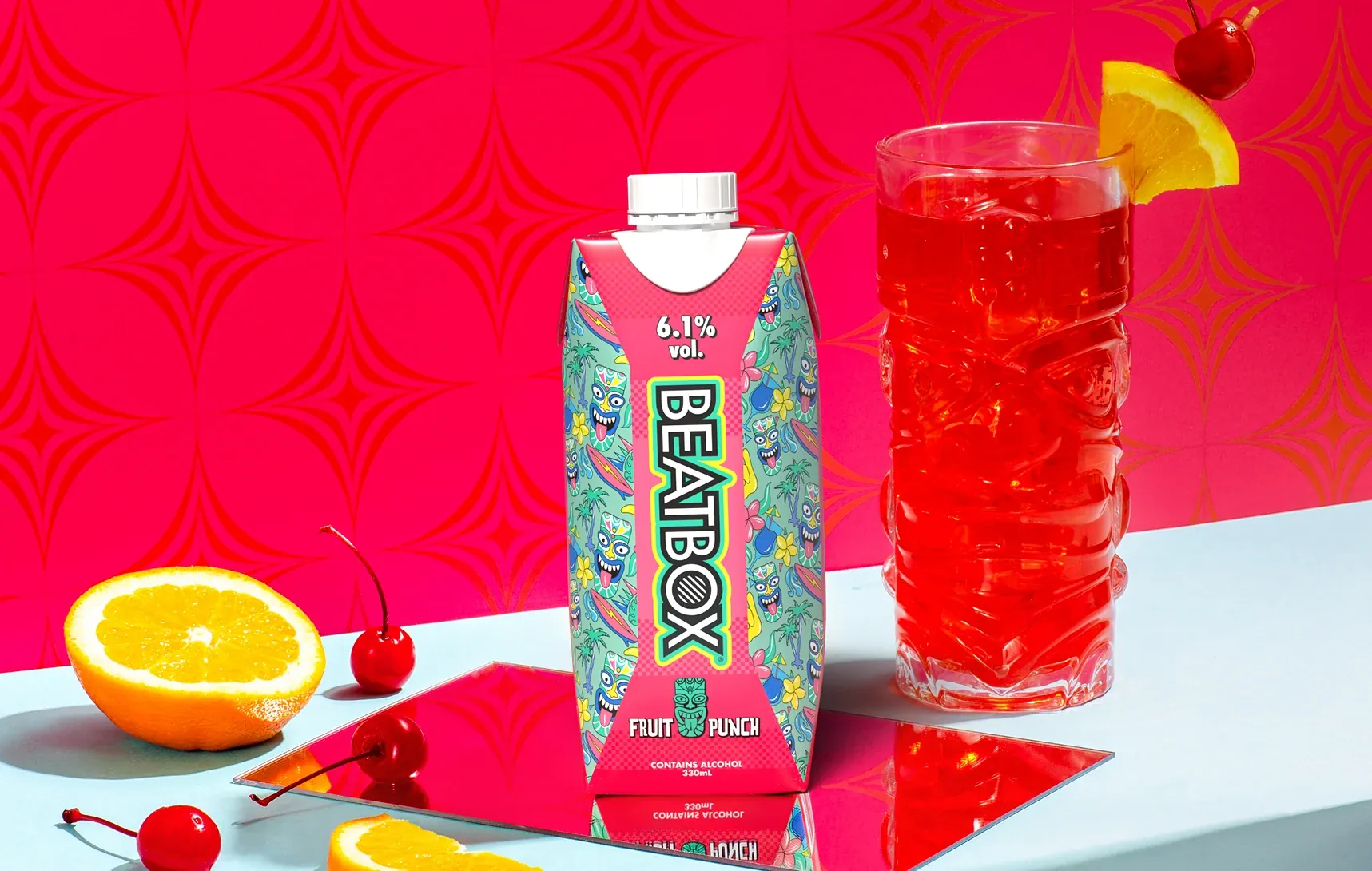
We build identities for young companies at King Tide, from consumer products like BeatBox, DrinkAde and Stacked Sauces to software companies. Here is how we think about AI in brand identity work.
What AI is genuinely good at in branding
We use AI tools every week. They are excellent at:
- Exploration. Generating dozens of directions for moodboards before a designer commits.
- Mockups. Seeing a mark on a can, a billboard or an app icon in minutes instead of days.
- Variations. Resizing, recoloring and adapting assets across channels.
- Copy starts. Rough taglines and name lists to react to, never to ship as-is.
Used this way, AI shortens weeks of production. It is a faster pencil.
What still needs a human
Positioning
A brand starts with a decision: who you are for, what you stand against and why you will win. That comes from founder interviews, a hard look at competitors and taste. No generator knows that your category is full of clinical blues, or that your customers are tired of being talked down to.
Distinctiveness
AI is trained on what already exists, so its first instinct is the average. Brands that win look like nothing else on the shelf. BeatBox went to market with boxed party punch and a look that screamed "party in a box", which helped it stand out in a crowded aisle. The brand went on to sell nationwide and be acquired by Anheuser-Busch.
Systems, not logos
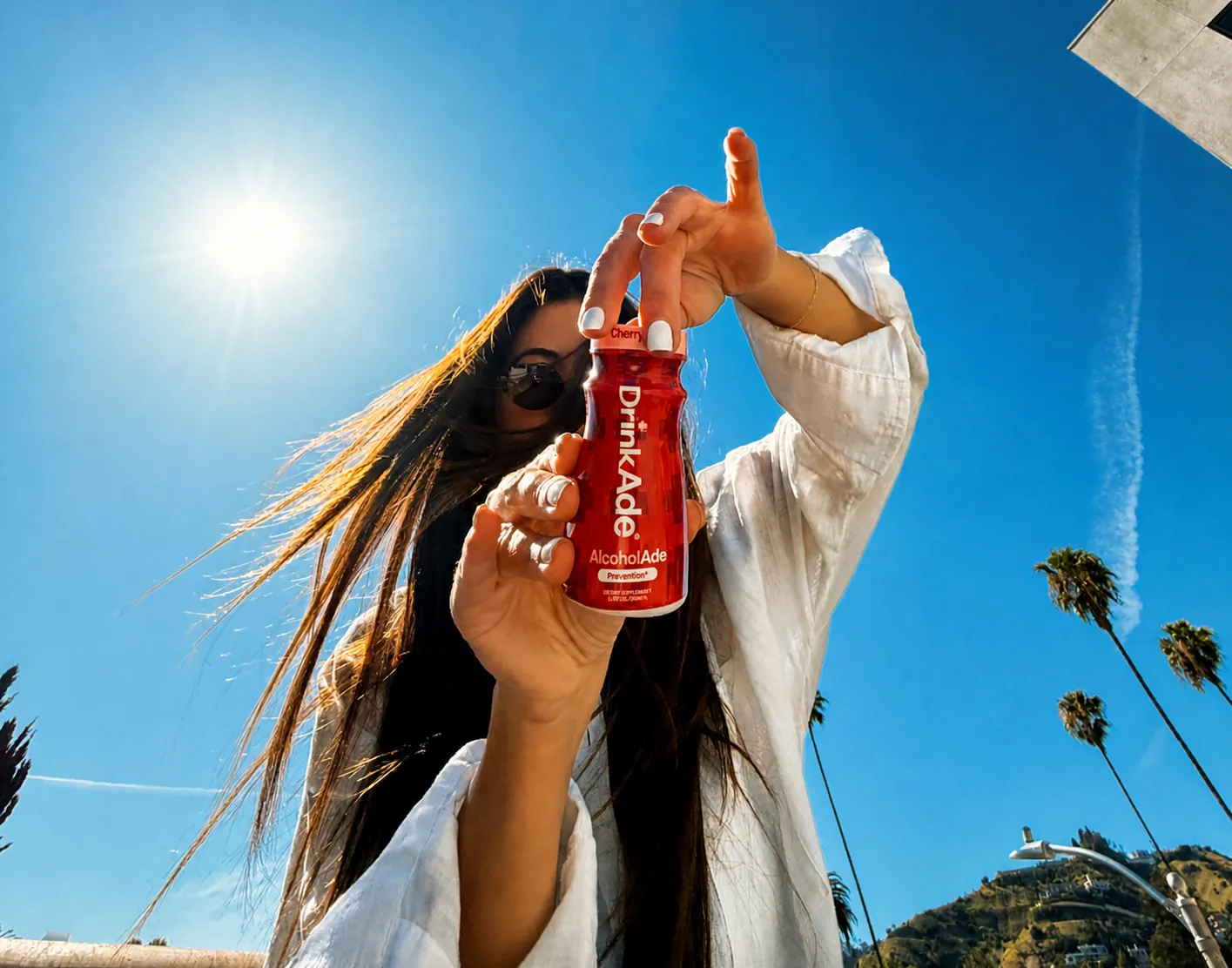
A logo is one asset. A brand is a system: type, color, layout, voice, motion, packaging rules and templates that a team can use without the designer in the room. For DrinkAde, the system had to work across a color-coded bottle line, a Shopify store, in-store displays and a steady stream of marketing collateral.
Taste under pressure
Every brand project has a moment where the safe option and the right option split. A human with a point of view makes that call, explains it and defends it. That is most of the job.
How we brand a startup in four to eight weeks
- Week 1: Discover. Founder interviews, a market audit and a sharp positioning statement.
- Week 2: Define. Name, story and creative territories to react to. AI helps us explore wider here.
- Weeks 3 to 6: Design. The identity system, applied across product, web, deck and social.
- Weeks 7 to 8: Launch. Guidelines, templates, the site and launch assets delivered.
Brand identity projects are $3,500. Naming, motion and a launch site built in Framer can be added and are quoted up front.
 Case study · Stacked SaucesBig flavor. Bigger purpose.See the work
Consumer brands raise the stakes
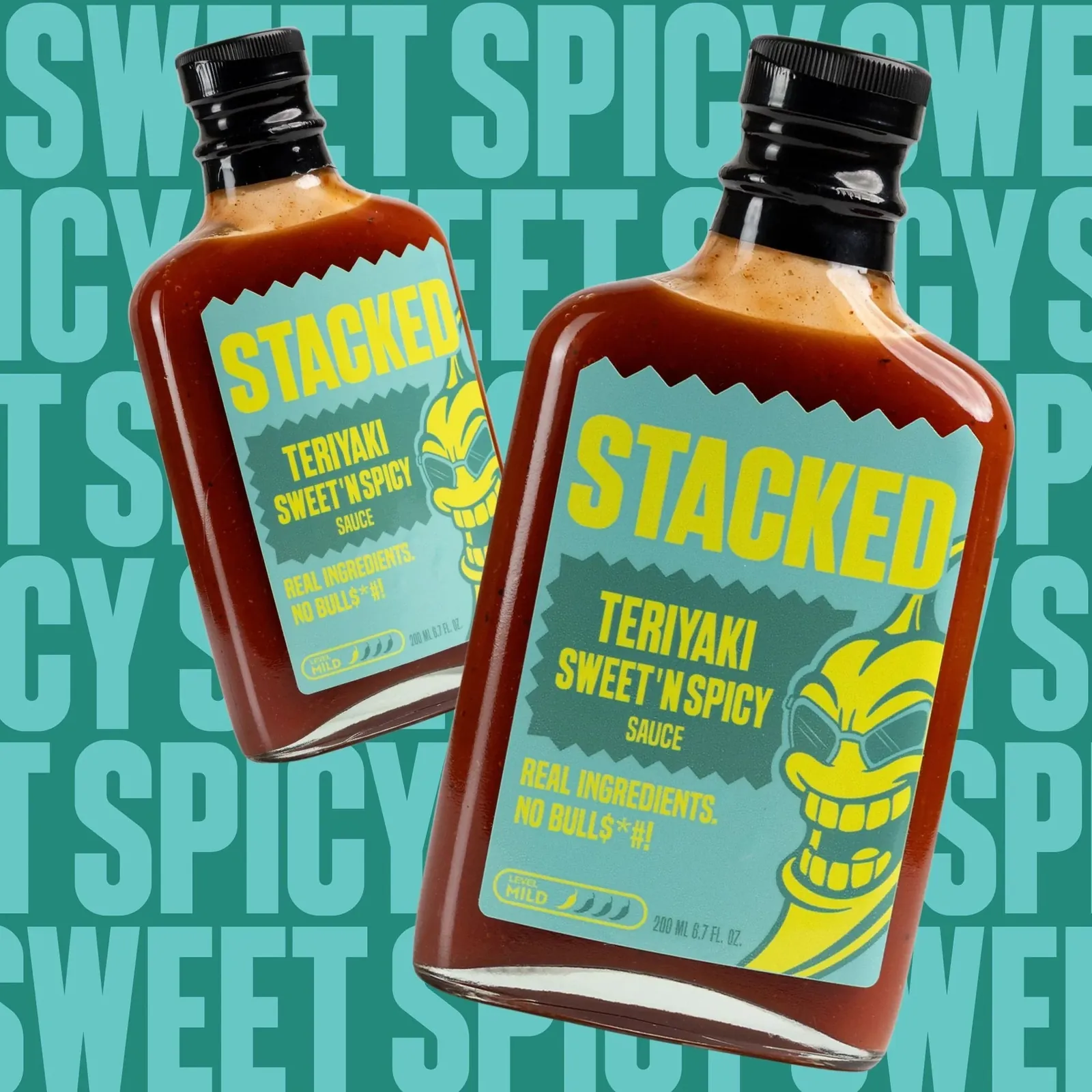
Software brands live on screens. Consumer brands also live on shelves, in hands and on TV. Packaging has to read from six feet away, flavors need their own personality inside one system, and the brand has to survive a cooking segment or a retail display. For Stacked Sauces, every flavor got its own color and character inside one loud, premium system, built for a founder who shows up on national TV.
That kind of work is why we still put senior designers on every brand, even when AI is doing some of the production.
What a startup brand should include
When founders ask what they are actually getting, this is the list we work from. Not every company needs every piece on day one, but every piece should be planned:
- Positioning: the story, audience and message that make you the obvious choice.
- Naming, when you need it: names that clear trademarks and sound like a category leader.
- Logo and identity: a wordmark, a symbol and the system that flexes around them.
- Type and color: a palette and type system built for screens first, and for packaging when you sell physical products.
- Motion: a logo animation and simple motion principles for product and social.
- Website: a launch site, designed and built in Framer, so you go live with the new brand on day one.
- Pitch deck: a deck in the new identity that investors remember after the meeting.
- Guidelines: a living brand book with templates your team will actually use.
The test is consistency. If your app, deck, site and packaging could sit side by side and look like one confident company, the brand is doing its job.
Mistakes to avoid when branding a startup
- Shipping the first generated logo. It will look like a hundred other companies.
- Branding by committee. Decide who makes the final call on day one.
- Skipping guidelines. Without them, your deck, site and app drift into three different companies within months.
- Waiting too long. A real-looking brand helps you recruit, sell and raise now, not after Series A.
The takeaway
Use AI to explore faster and produce more. Use people to decide what you stand for and to make every asset feel like the same company. If you want a brand that looks inevitable, built in weeks, tell us about your company. And if you are building the product at the same time, our AI MVP team can take it from brand to launch.
Questions founders ask
Can AI design my startup's brand?
AI can generate options, mockups and variations quickly, which is useful. It cannot decide your positioning, judge what will stand out in your category or build a system that holds together across product, packaging and pitch.
How long does startup branding take?
At King Tide, most identities take four to eight weeks from kickoff to guidelines, depending on whether naming is included.
How much does a startup brand identity cost?
King Tide brand identity projects are $3,500 and cover strategy, the identity system and guidelines. Naming, motion and a launch site are quoted up front if you need them.
Should a startup brand before or after building the product?
Brand alongside the product. A name, logo and site that look real change how users, recruits and investors treat you from the first day, and it costs far less to do it once than to fix it later.